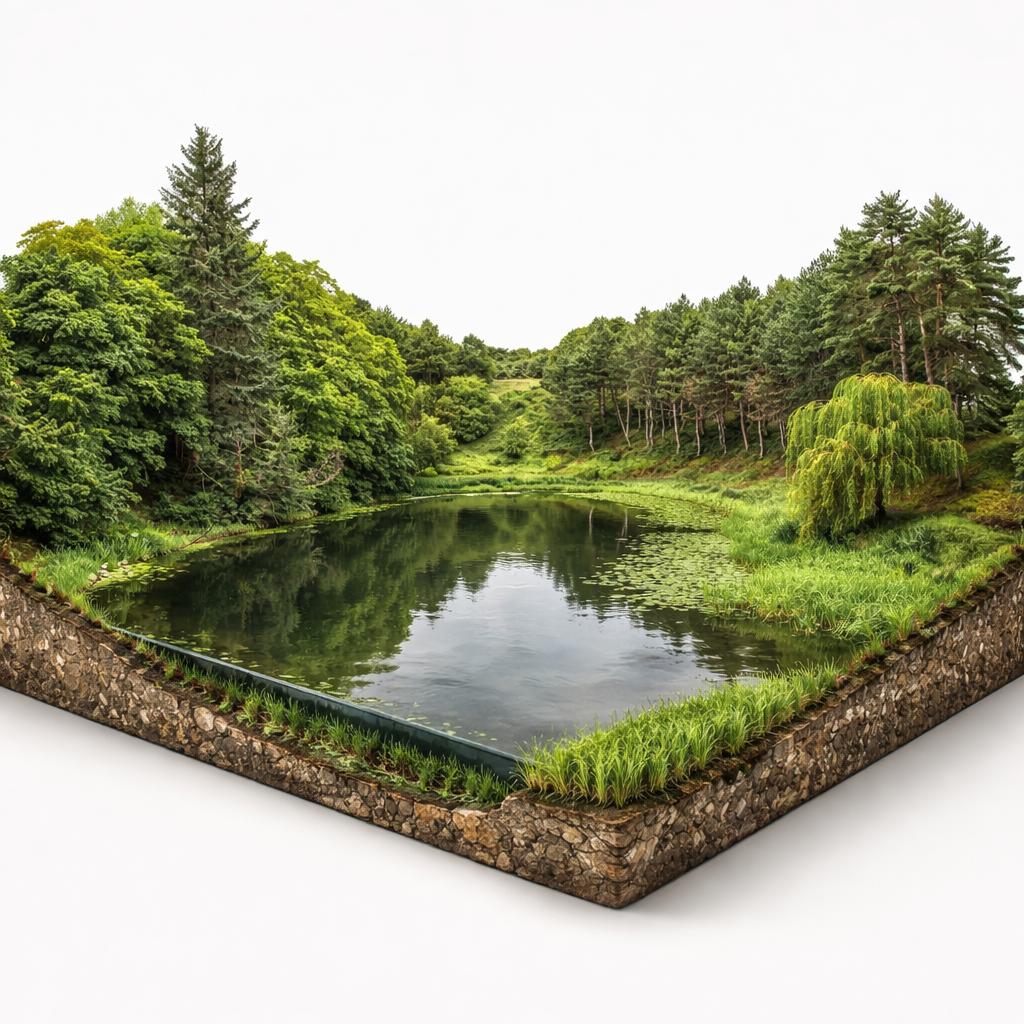
Phoenix Park
Dublin
Originally a 1660s royal hunting ground, this is the largest enclosed public park in any European capital — and a wild herd of fallow deer still roams it today.
Dublin
Originally a 1660s royal hunting ground, this is the largest enclosed public park in any European capital — and a wild herd of fallow deer still roams it today.
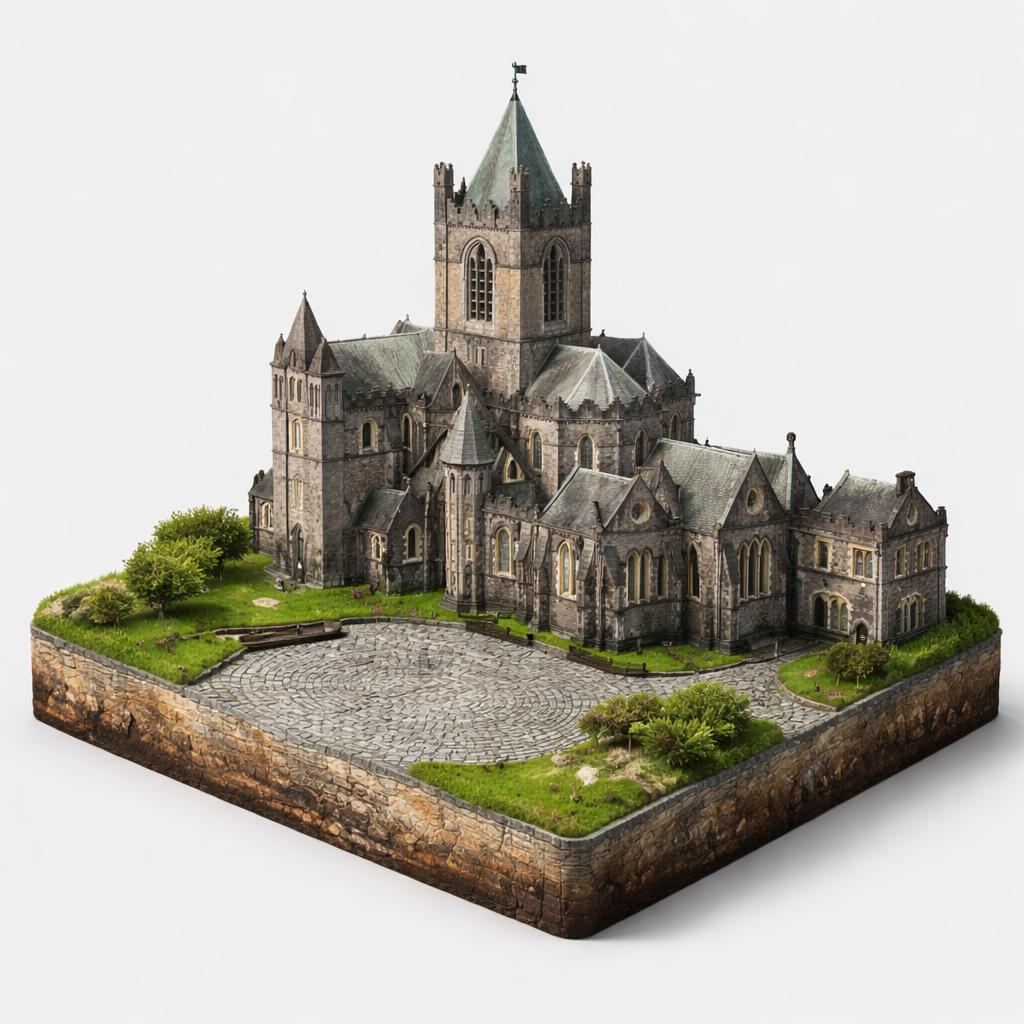
Dublin
Built in the early 13th century on a Viking site, Dublin Castle was the headquarters of English and later British rule in Ireland until 1922, and is now a working government complex and ceremonial venue. Important: the castle's own website says the campus is closed to the public until January 2027 while Ireland hosts the EU Council Presidency — confirm before travelling.
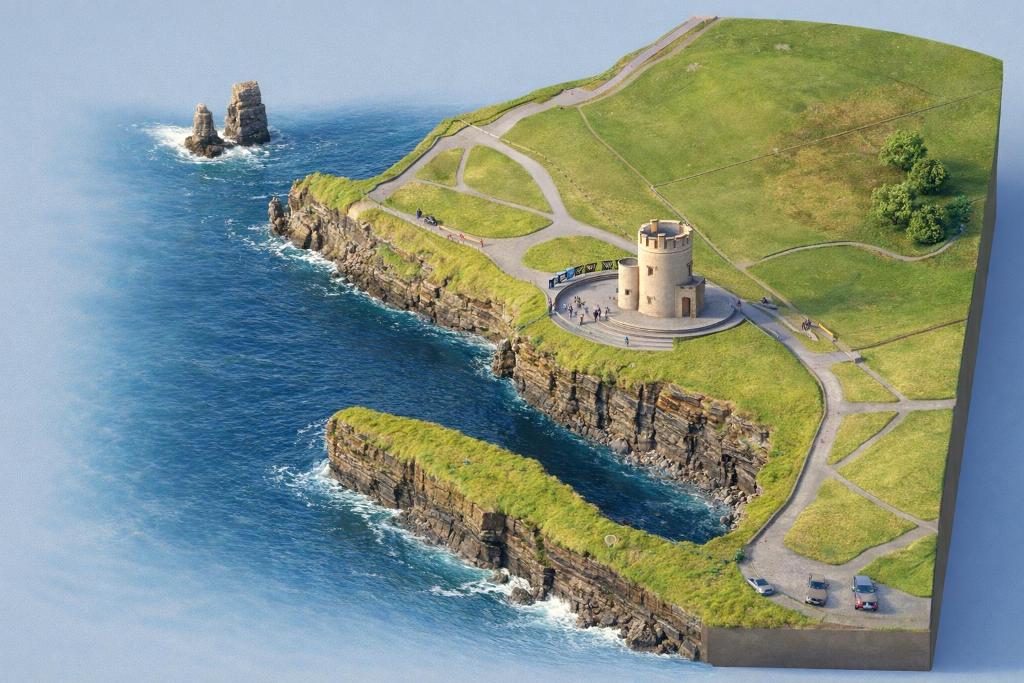
Clare
Ireland's most famous sea cliffs drop sheer into the Atlantic for 8 km, with safe paved walkways, a hillside visitor centre and views to the Aran Islands. Sunset is the best time to go.
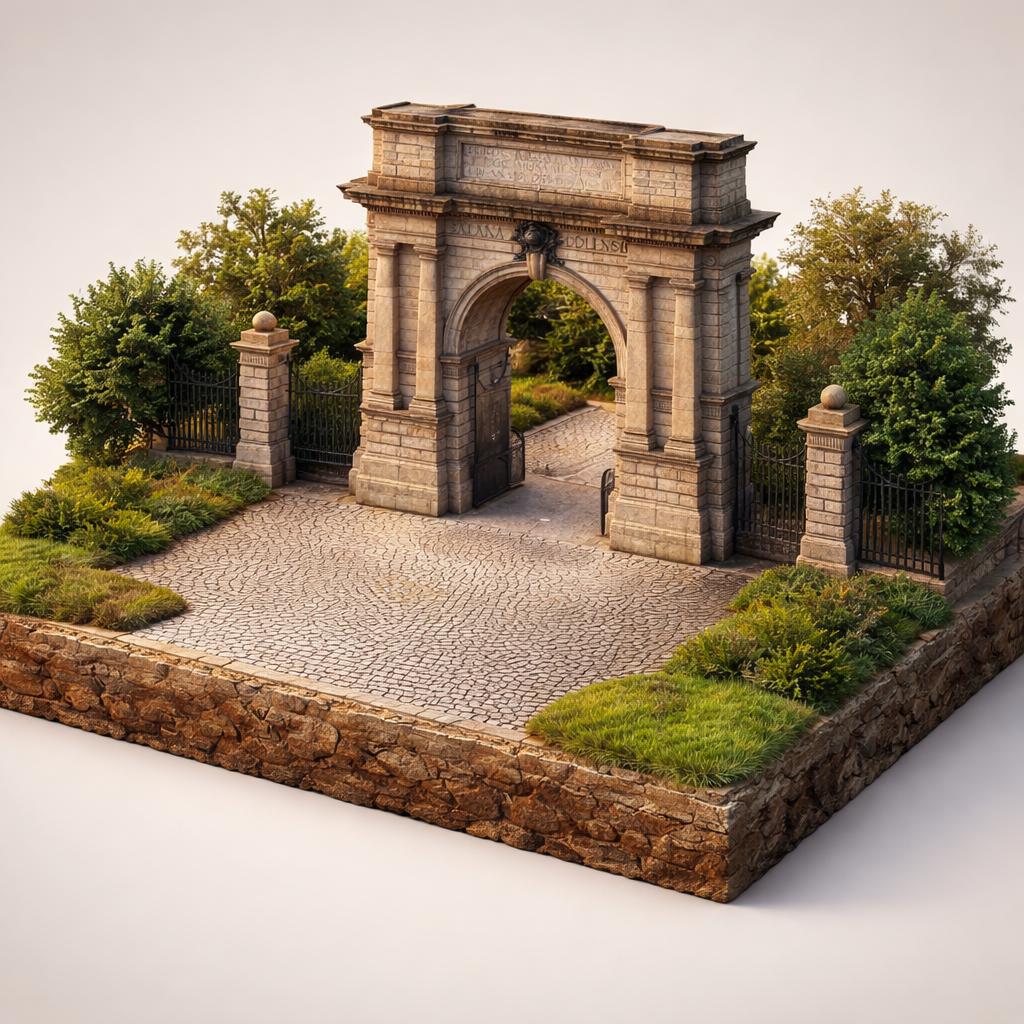
Dublin
A 27-acre Victorian park in the heart of Dublin, laid out in 1880 with a three-acre lake, waterfall, fountains and formal gardens — and free to walk into.
Dublin
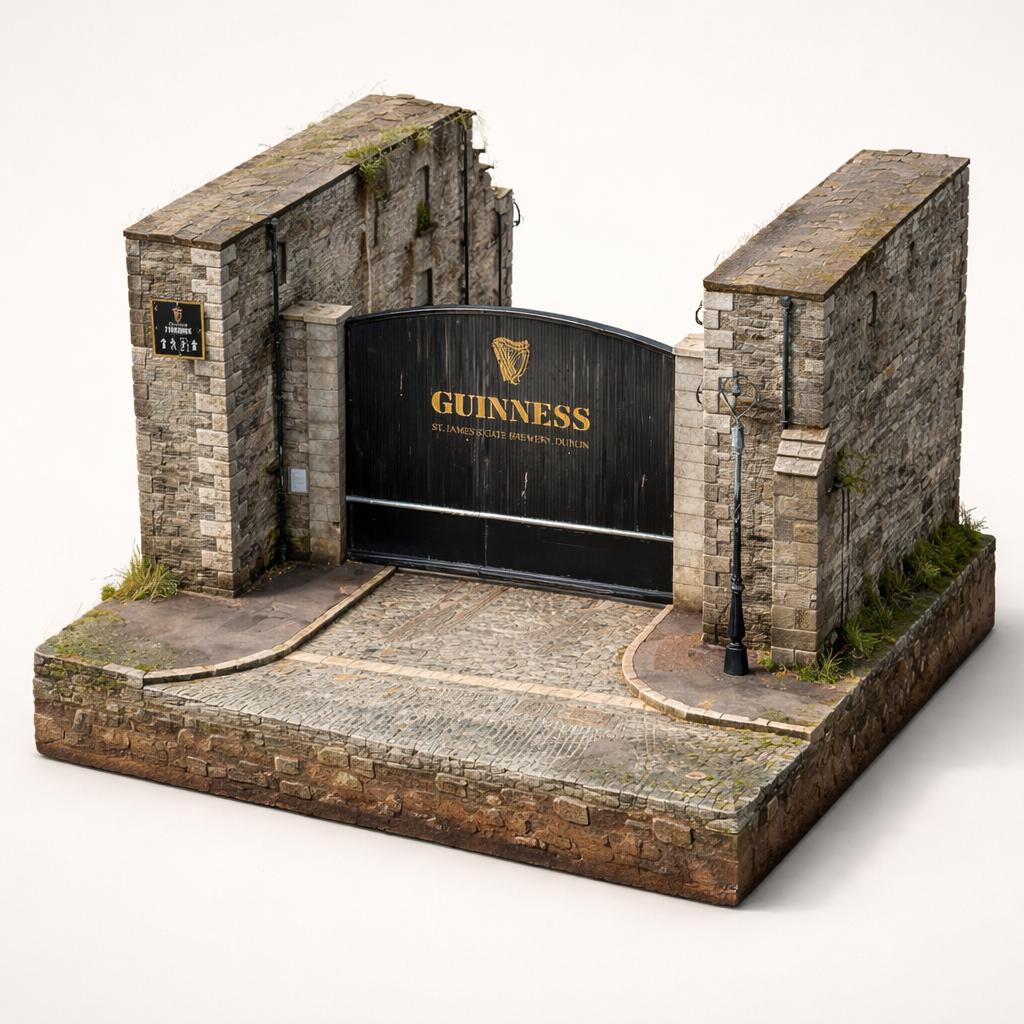
Seven storeys of brewing history inside a 1904 fermentation plant at St. James's Gate, crowned by a glass-walled rooftop bar with 360-degree views over Dublin. Your ticket includes a pint of Guinness or Guinness 0.0 to drink up there.
Dublin
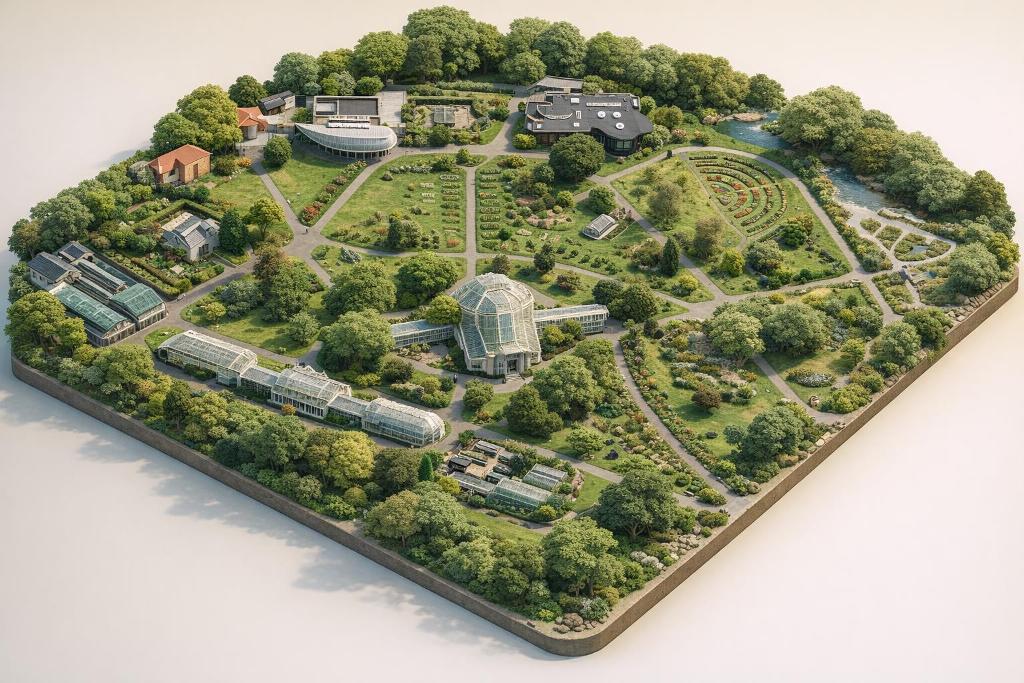
A free, seven-days-a-week botanic garden three kilometres from Dublin's centre, famed for its restored Victorian wrought-iron glasshouses. Over 15,000 plant species and cultivars are spread across glasshouses, borders, a rock garden and riverside grounds.
Dublin
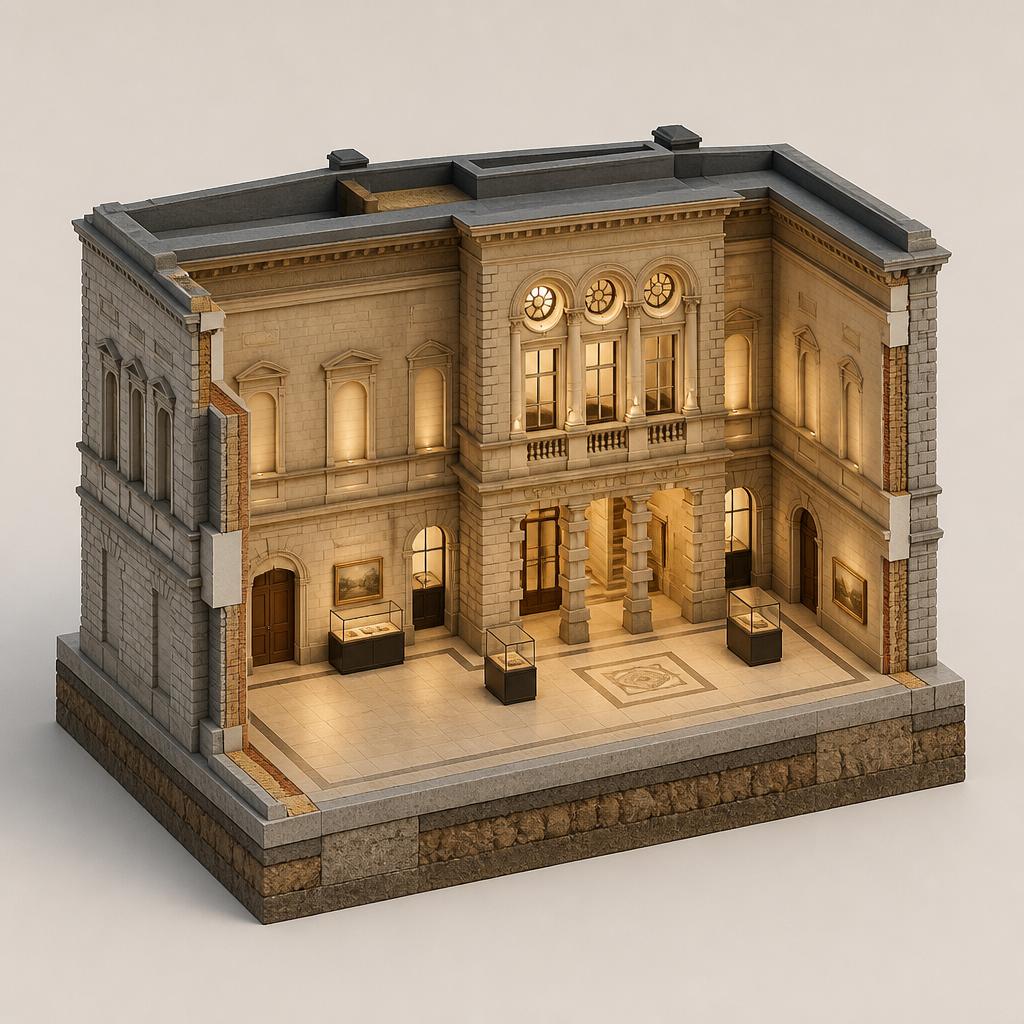
Ireland's national art collection, free to enter since 1864, spans European painting from the 14th century to today across grand Georgian and modern wings on Merrion Square.
Ashbourne, Meath
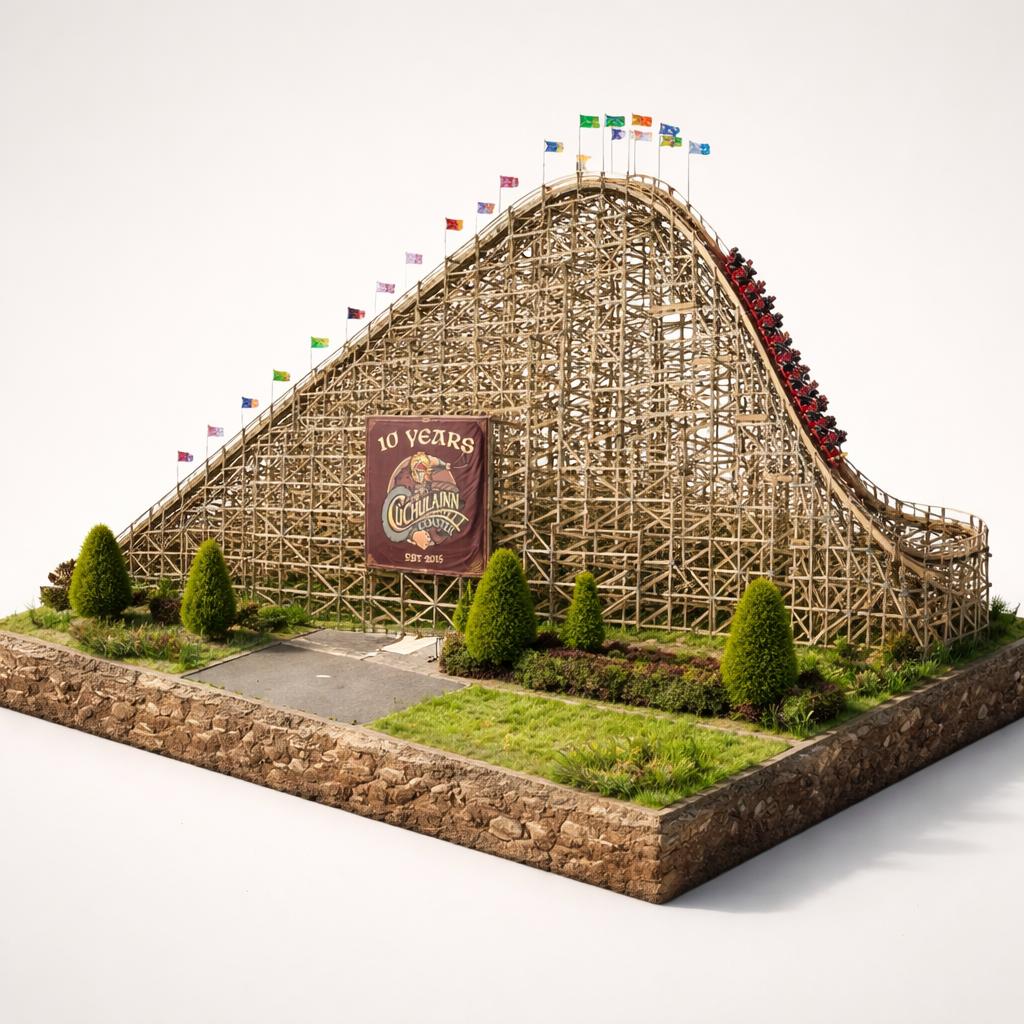
Ireland's only theme park and zoo, spread over 50 acres in the Boyne Valley, combining more than 45 rides and attractions with a 180-animal zoo.
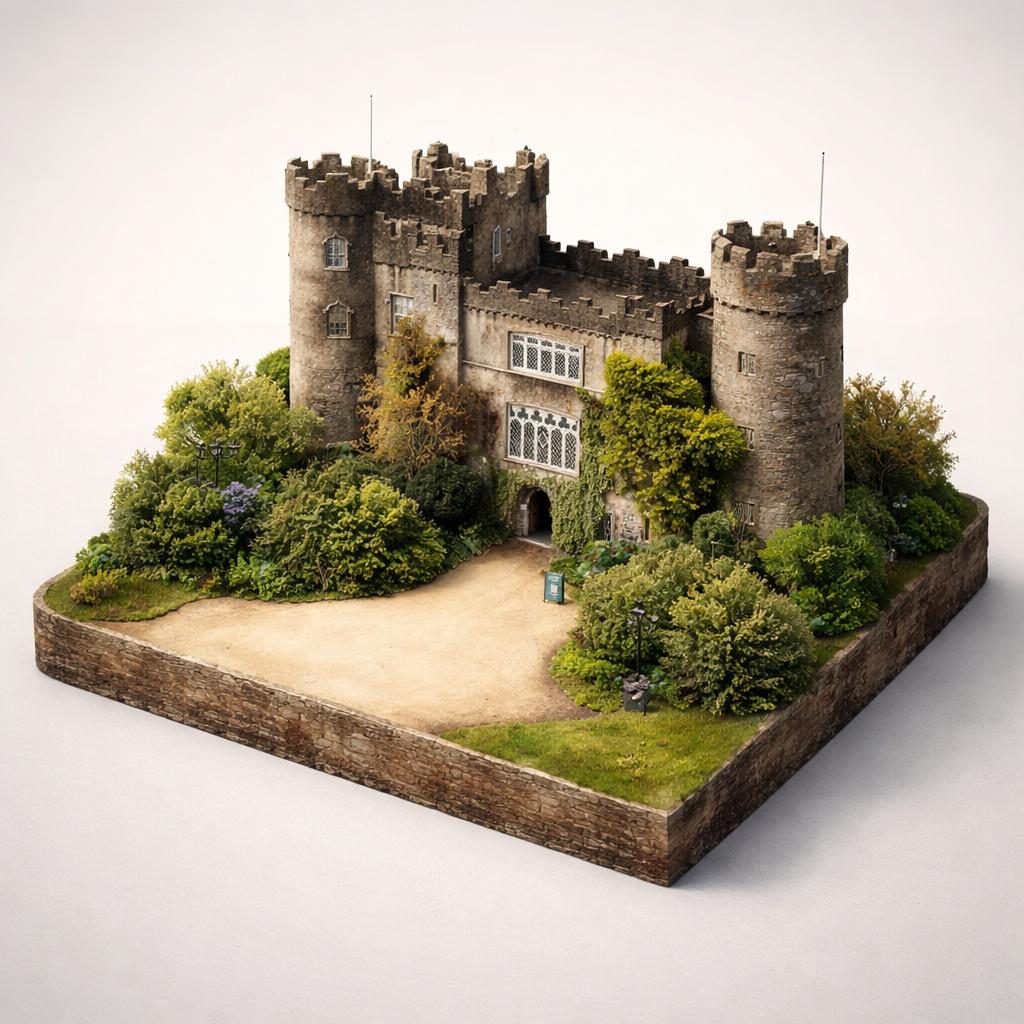
Malahide, Dublin
An 800-year-old Talbot family stronghold set in 260 acres of parkland, with opulent state rooms, botanic gardens, Ireland's only exotic butterfly house, and a woodland fairy trail for children.
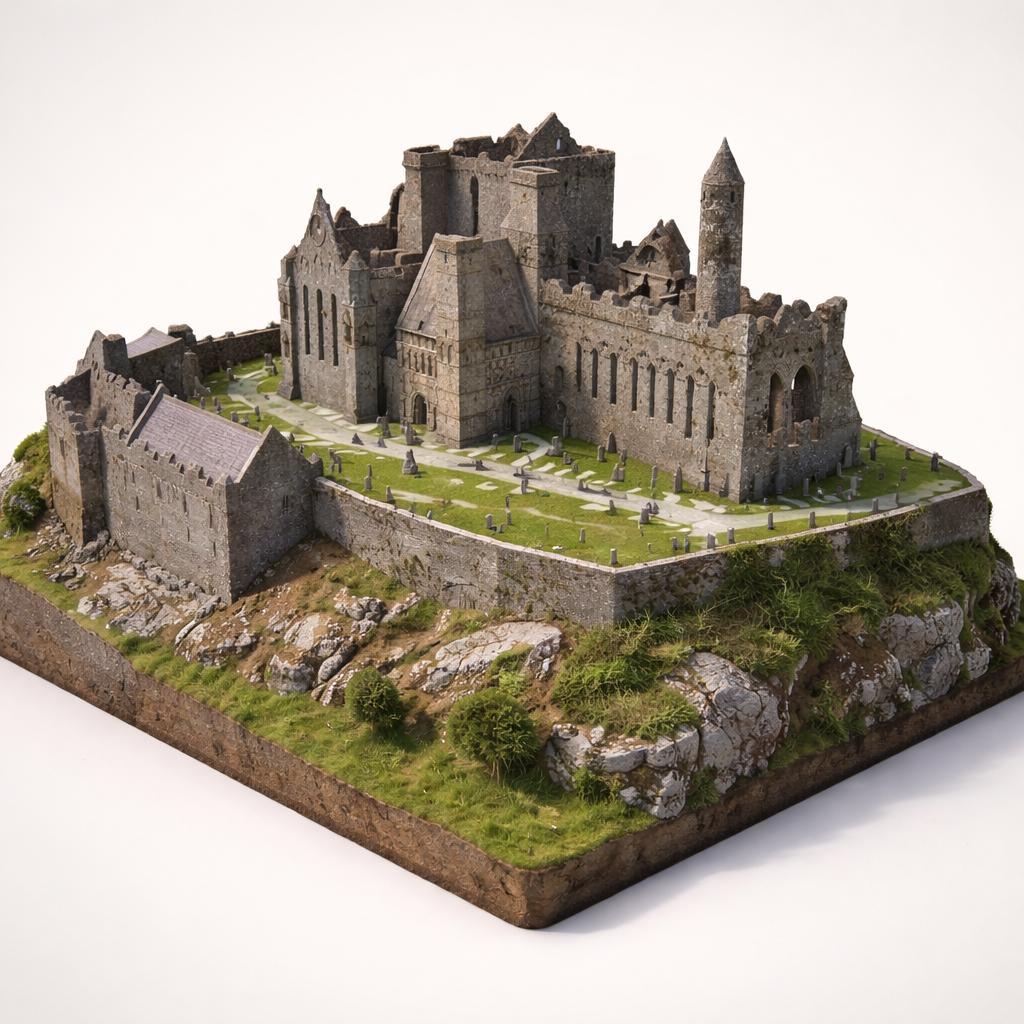
Cashel, Tipperary
A limestone outcrop rising above the Golden Vale, crowned with a round tower, a Romanesque chapel and a roofless Gothic cathedral. Seat of the kings of Munster and where Brian Boru was crowned High King in 978, it holds the most impressive cluster of medieval buildings in the country.
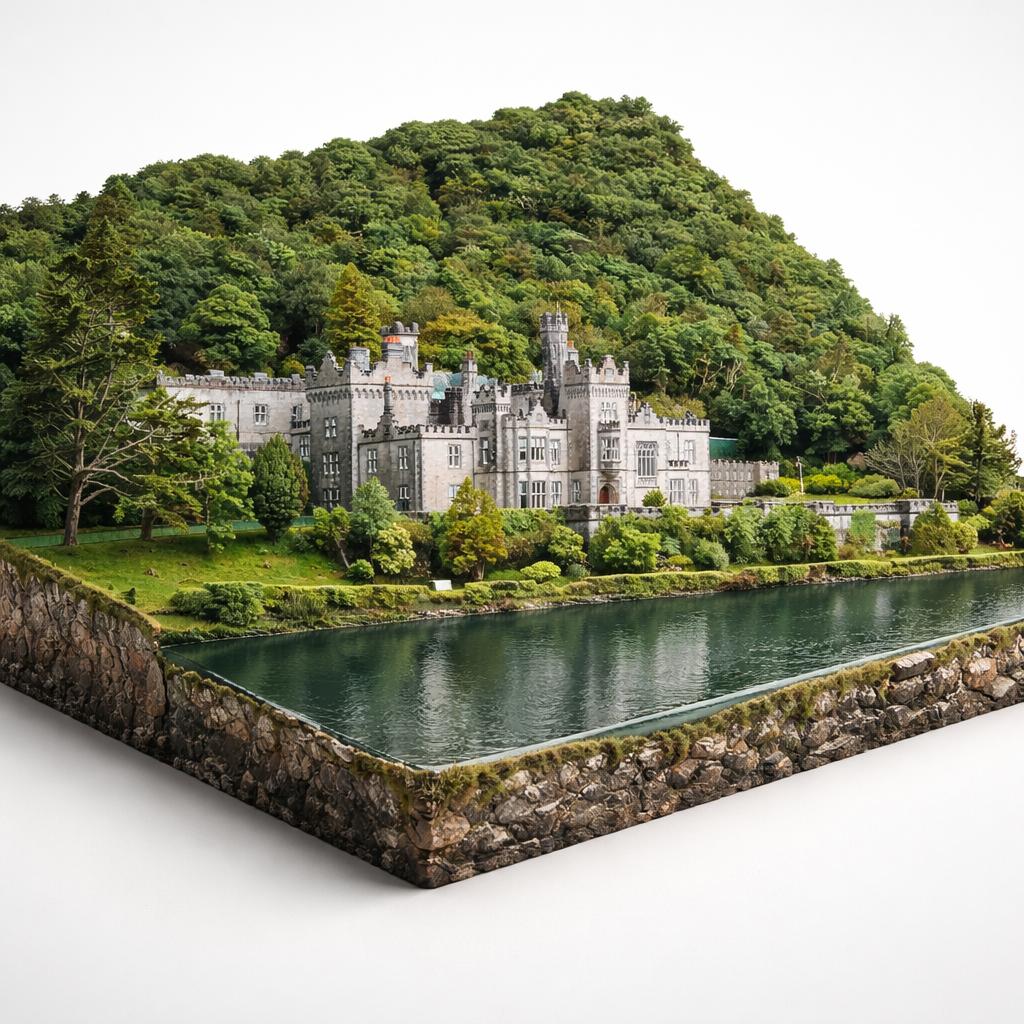
Galway
A romantic Victorian castle turned Benedictine monastery, Kylemore sits beneath the Connemara mountains, its neo-Gothic church and six-acre walled garden wrapped in 1,000 acres of woodland and lakeshore.
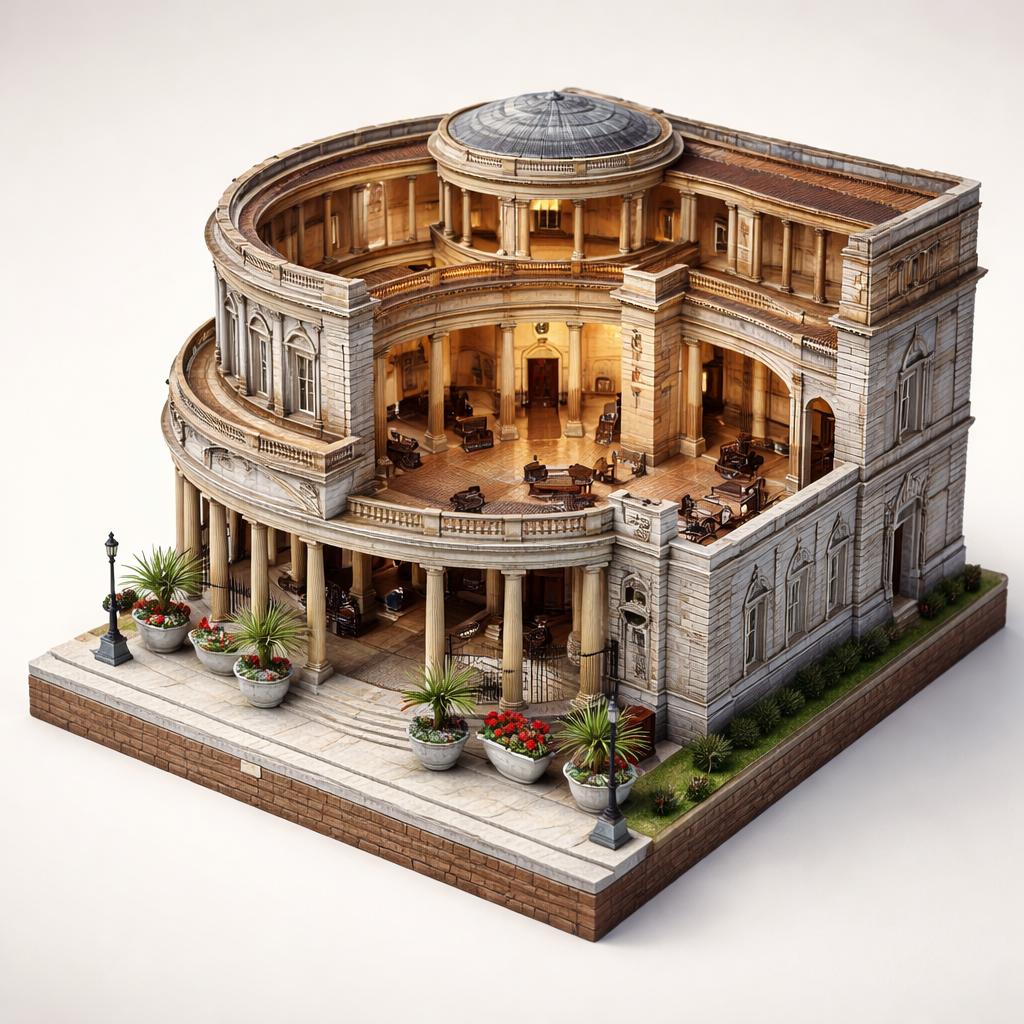
Dublin
In a grand 1890s building beside Leinster House, Ireland's national archaeology museum holds the country's greatest treasures — and entry costs nothing. From the Ardagh Chalice and the 'Tara' Brooch to Iron Age bog bodies, it packs 7,000 years of history into a single city-centre block.
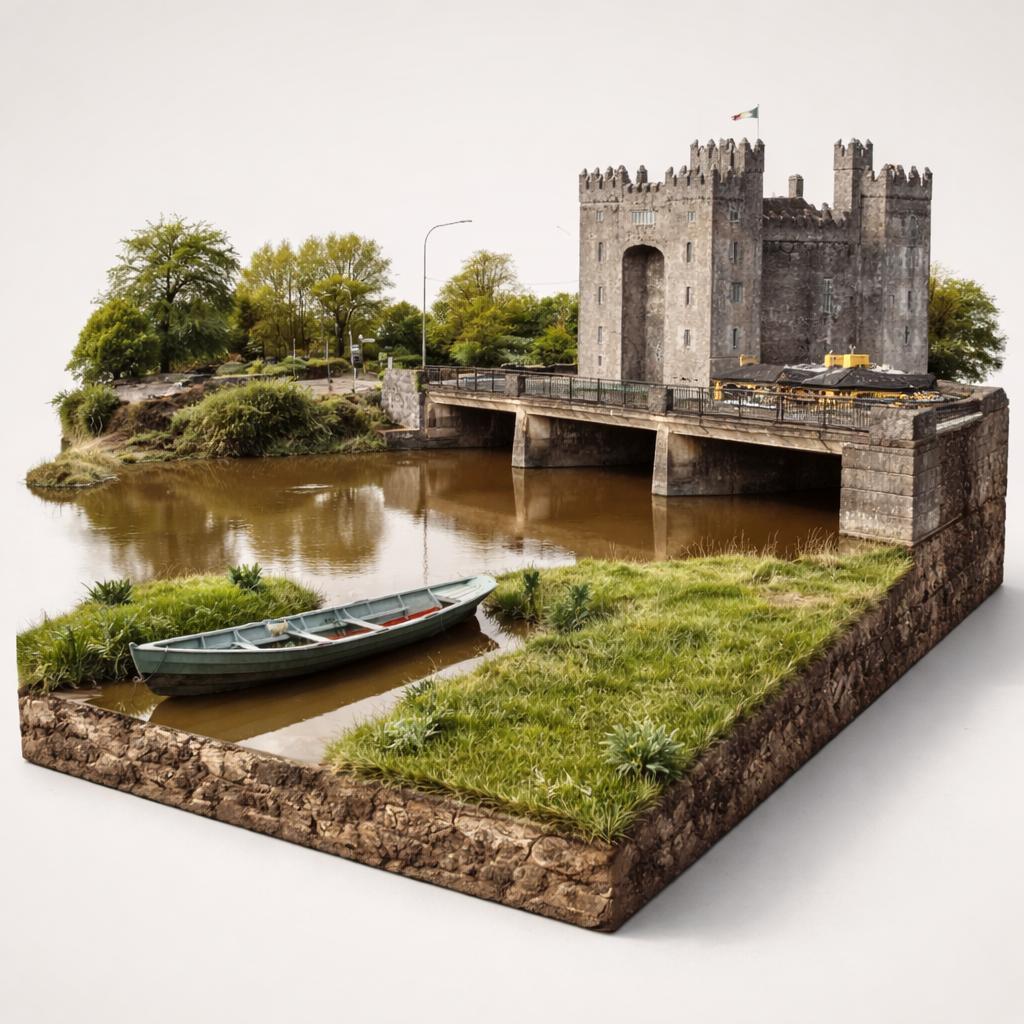
Bunratty, Clare
A restored 15th-century castle and a 26-acre "living" folk park where 19th-century Irish village life, farmhouses and fairy trails come together on the banks of the Shannon.
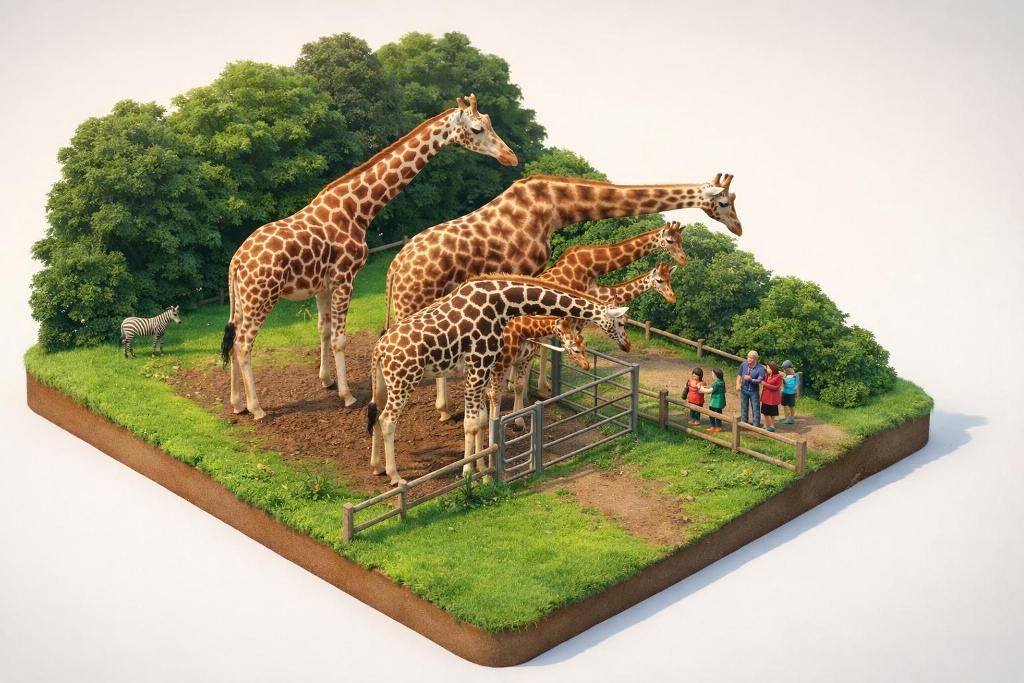
Carrigtohill, Cork
A 100-acre wildlife park on Fota Island near Cork where kangaroos, wallabies, giraffes and cheetahs live in open, natural-style habitats — one of Ireland's best-known family days out.
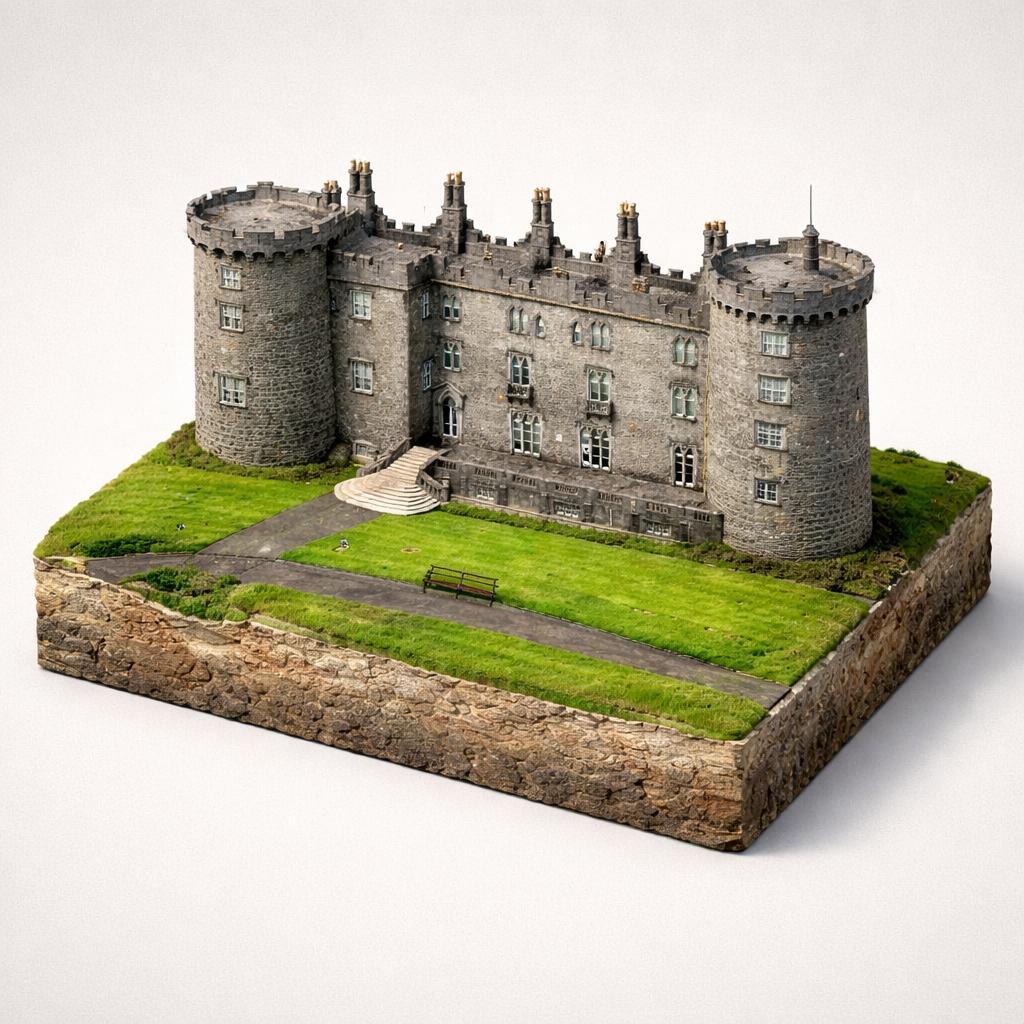
Kilkenny, Kilkenny
Founded soon after the Norman conquest and occupied for more than 800 years, Kilkenny Castle is now a Victorian-remodelled country house at the centre of 21 hectares of public parkland.
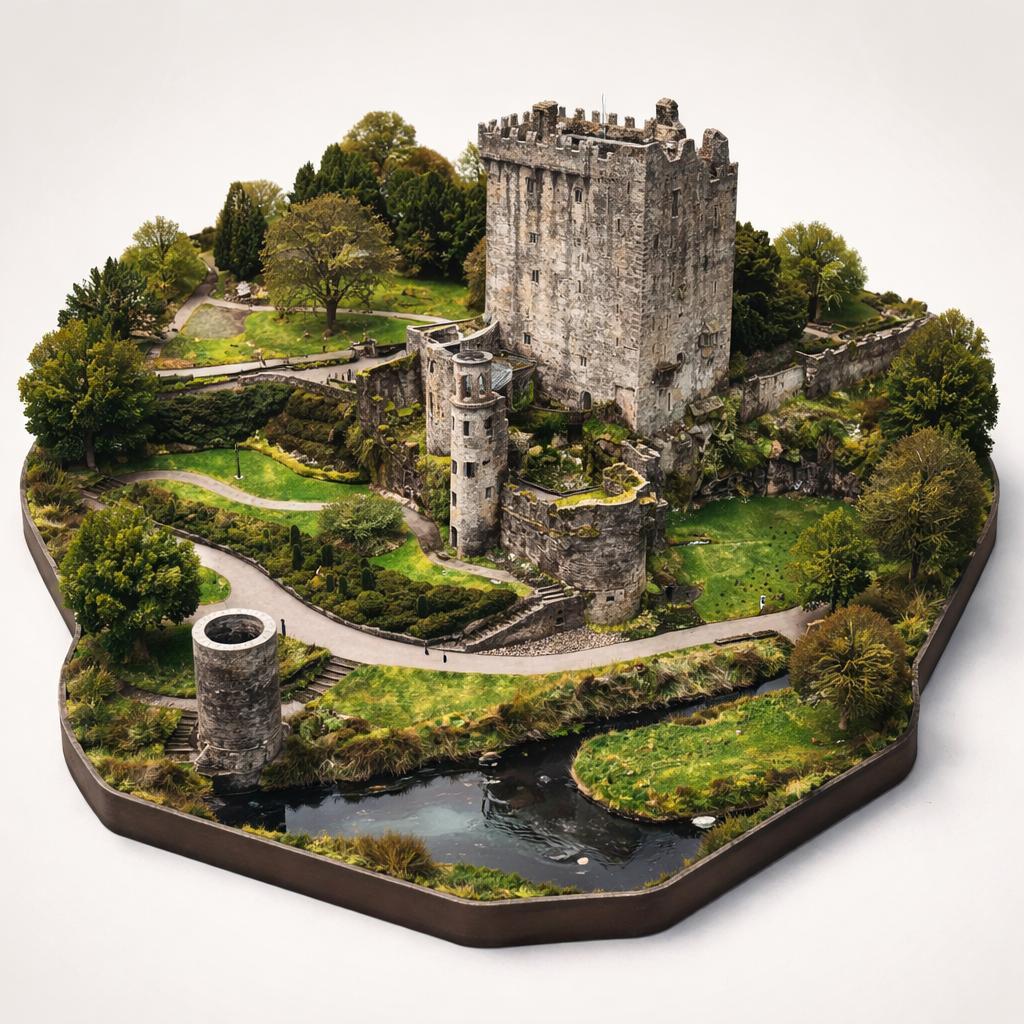
Cork, Cork
A 600-year-old MacCarthy tower house wrapped in 100 acres of gardens, where visitors queue to kiss the Blarney Stone, the legendary Stone of Eloquence, at the top of the battlements.
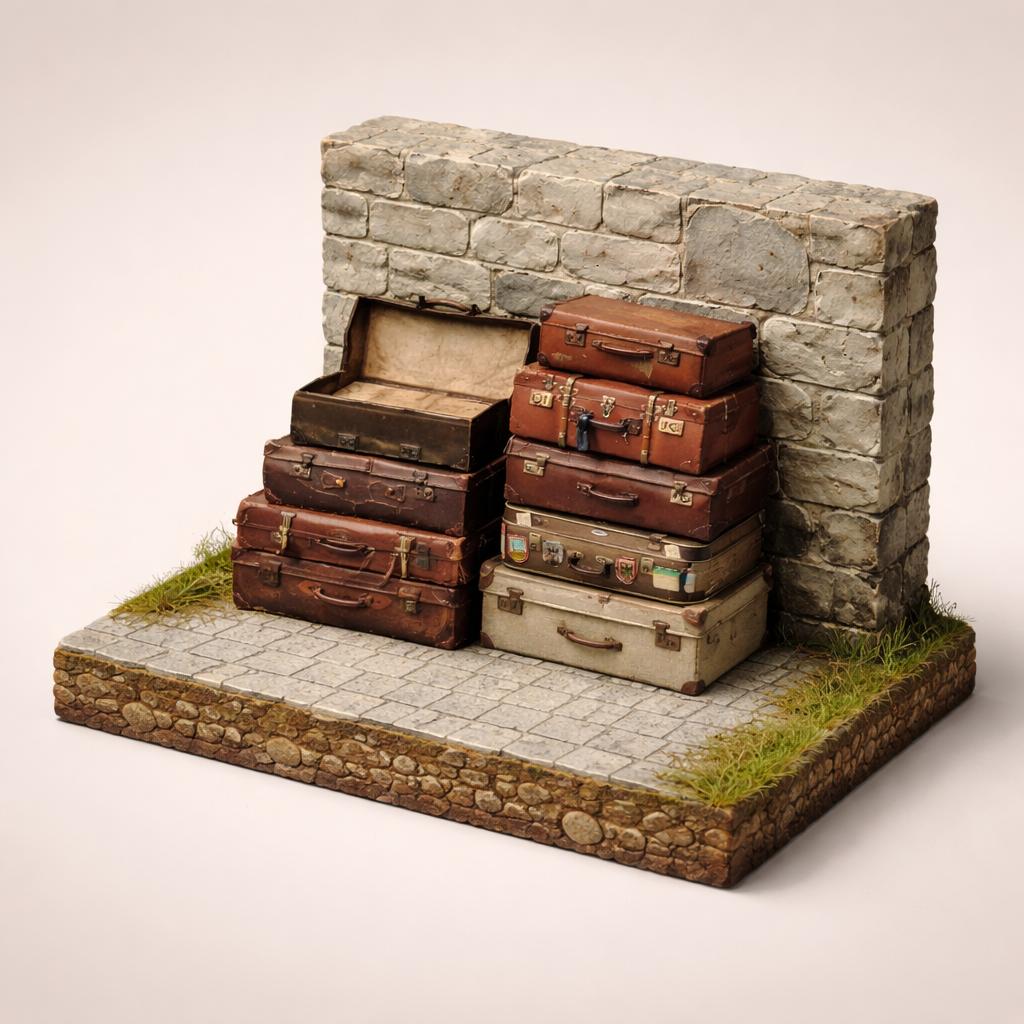
Dublin
The story of Irish emigration told across 20 immersive, interactive galleries inside the restored vaults of the CHQ Building on Custom House Quay.
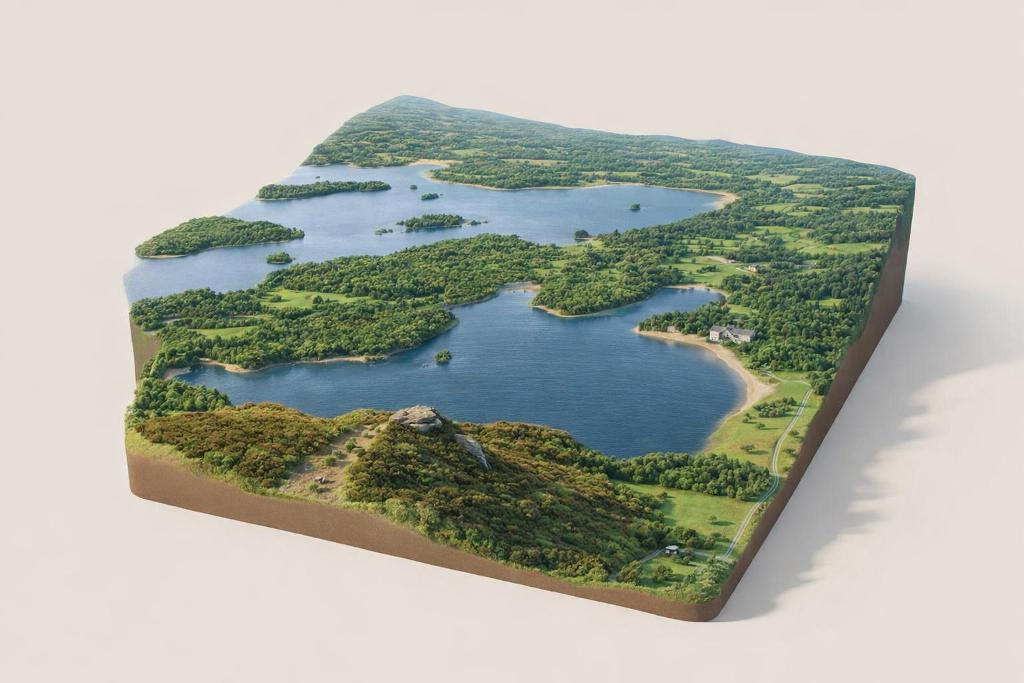
Kerry
Ireland's oldest national park spreads 10,000 hectares of lakes, oak and yew woodland, waterfalls and mountains south of Killarney town, with Muckross House and Ross Castle at its heart.
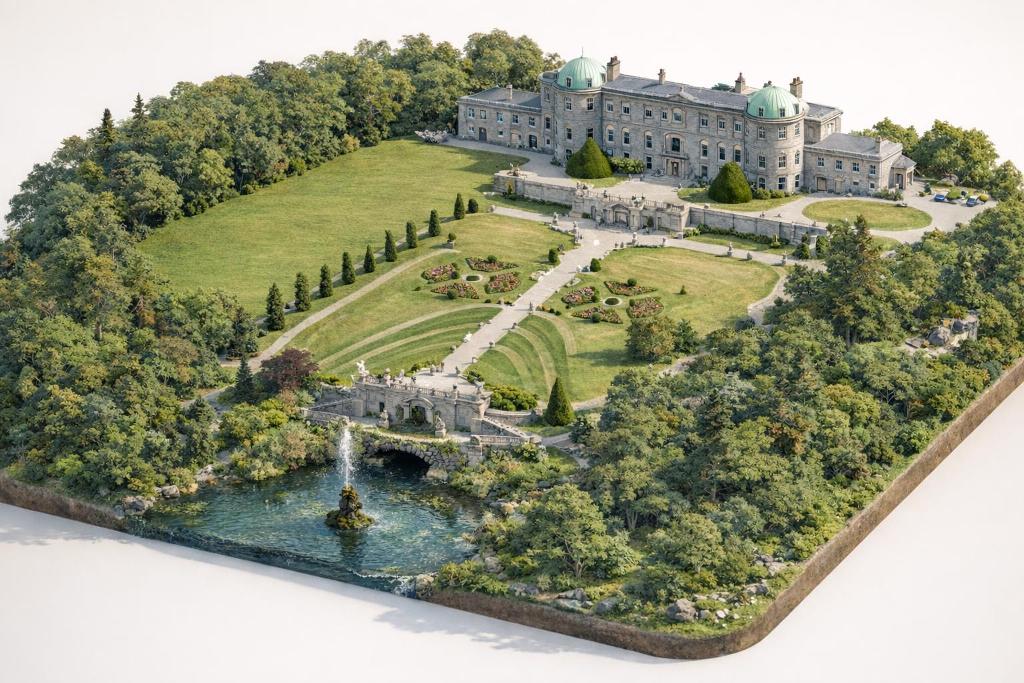
Enniskerry, Wicklow
A 47-acre Palladian estate in the Wicklow hills, ranked by National Geographic as the third finest garden in the world, with terraces, lakes, a Japanese garden and the Sugarloaf Mountain as its backdrop.
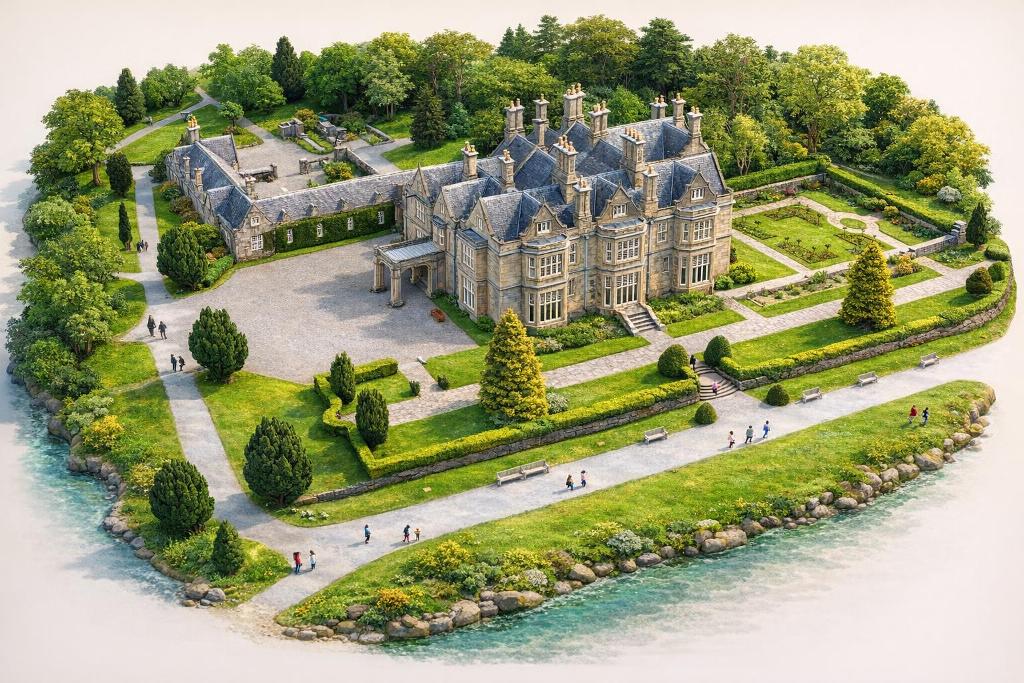
Killarney, Kerry
Muckross House is a grand Victorian mansion built in 1839-1843 at the heart of Killarney National Park, where the Herbert family hosted Queen Victoria in 1861. Gardens, a 1930s-style working farm and the Lakes of Killarney surround it.
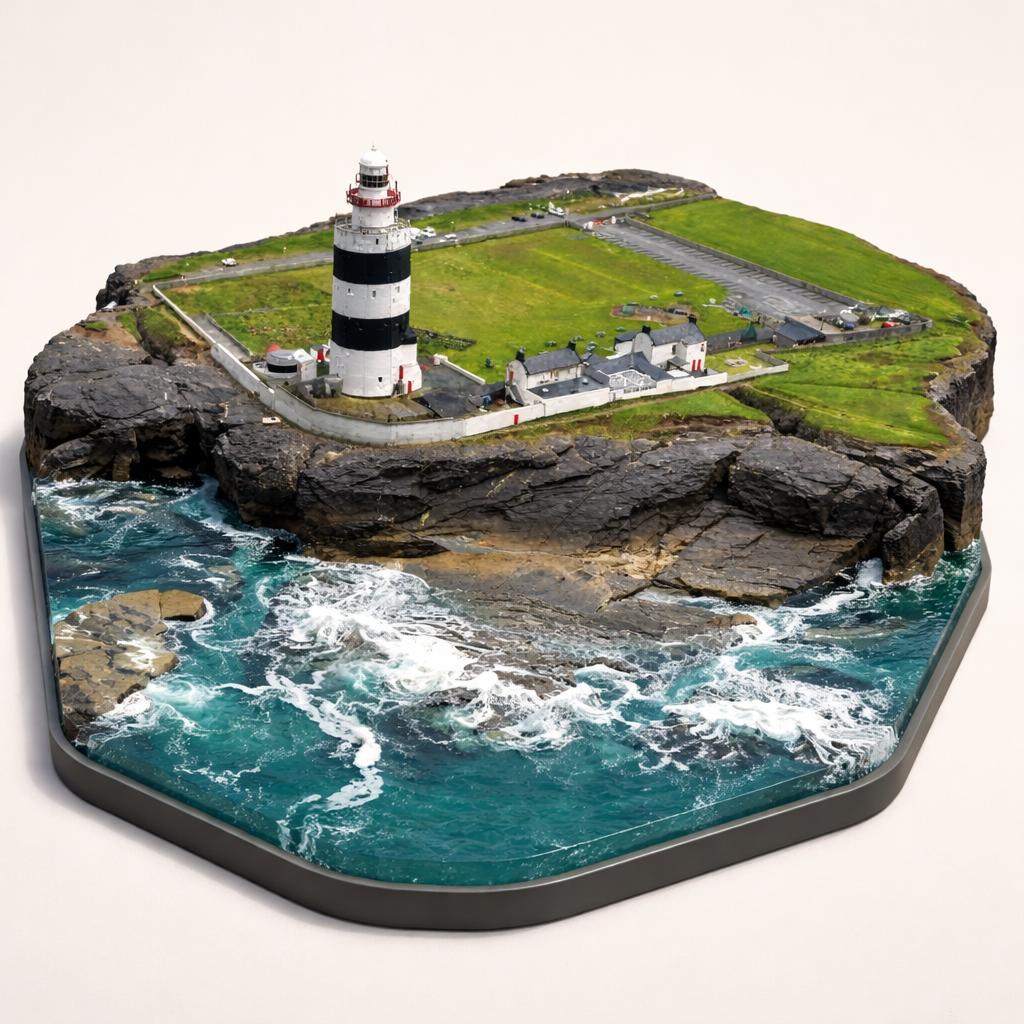
Wexford
Purpose-built in the 13th century by William Marshal, Hook Lighthouse is the world's oldest intact operational lighthouse, still flashing over the seas off the tip of the Hook Peninsula.
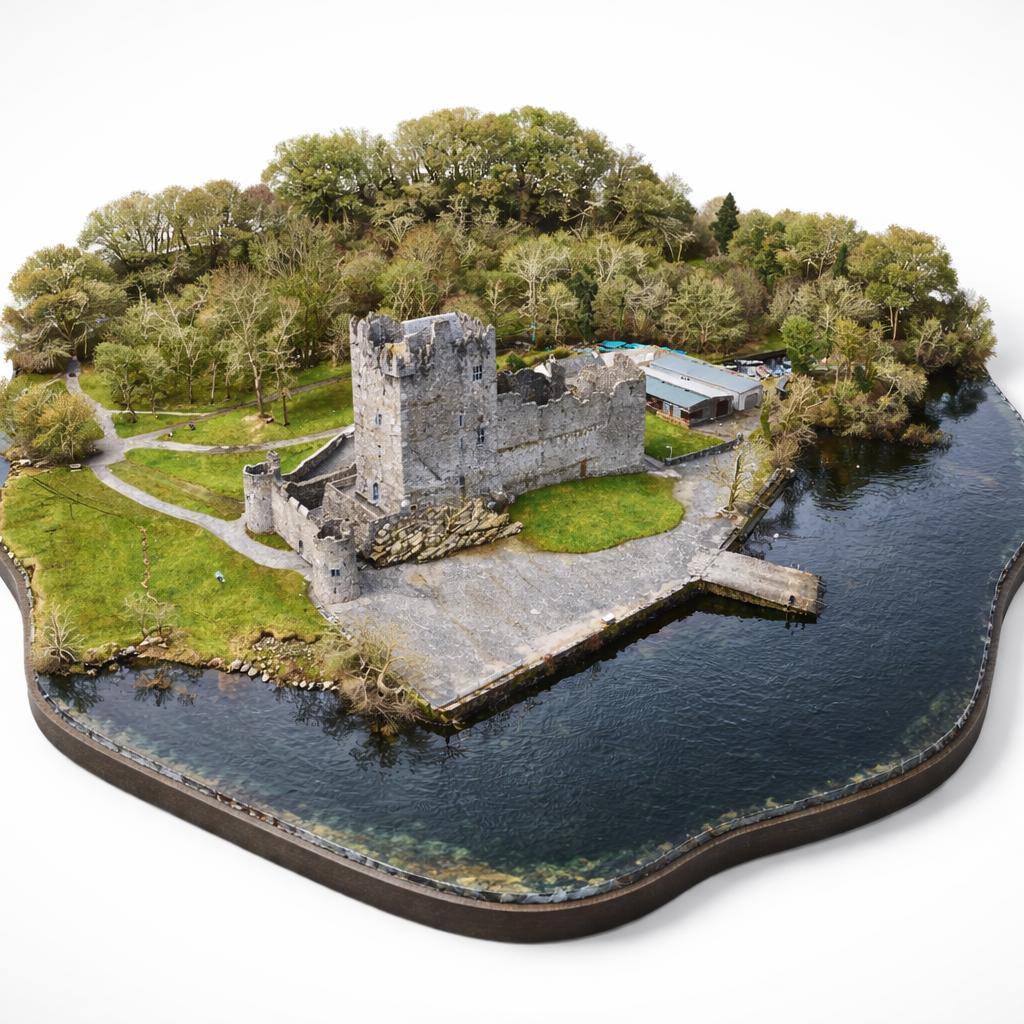
Killarney, Kerry
A 15th-century tower house on the shore of Lough Leane, the last stronghold in Munster to hold out against Cromwell, and the departure point for boats across the Killarney lakes.
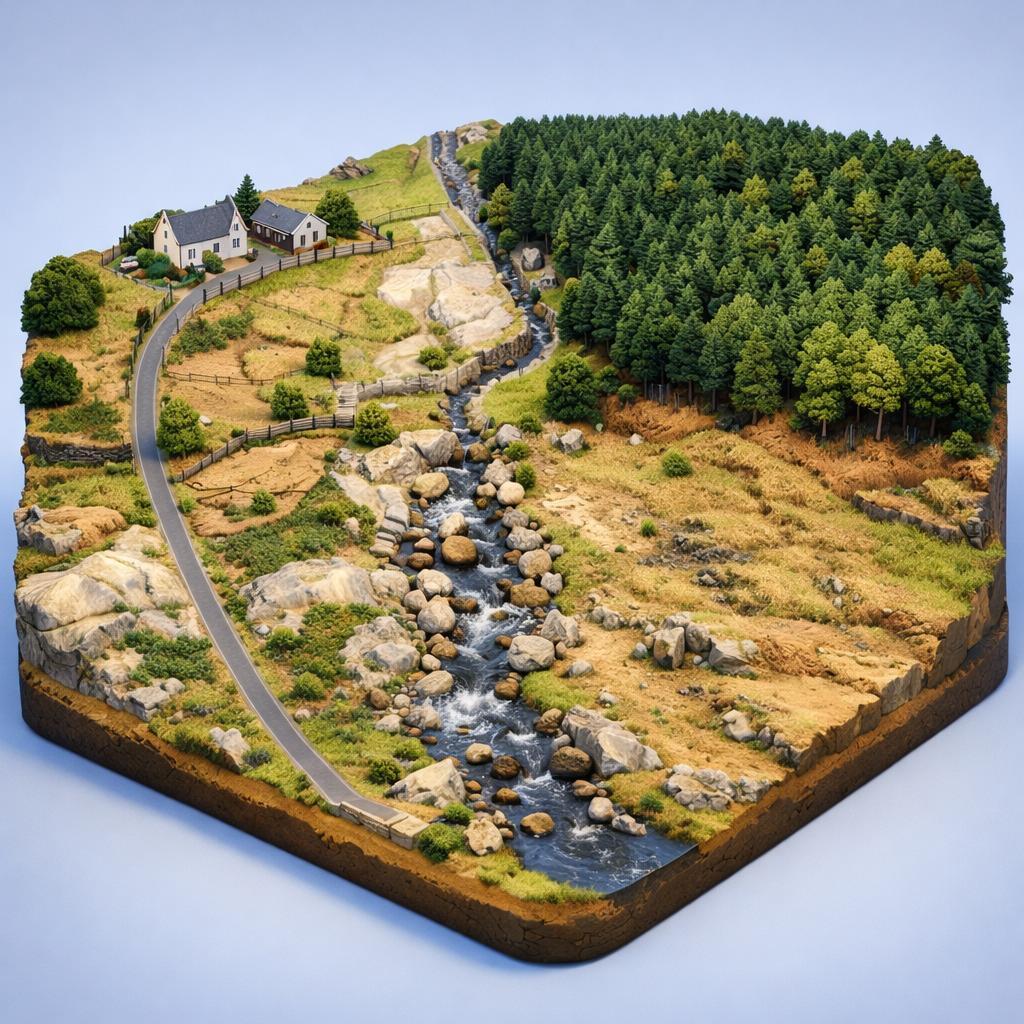
Wicklow
Ireland's largest national park, a vast upland of heather bog, glacial valleys and mountain roads, with the sixth-century monastic settlement of Glendalough at its heart. Entry is free and the park is open day and night, all year.
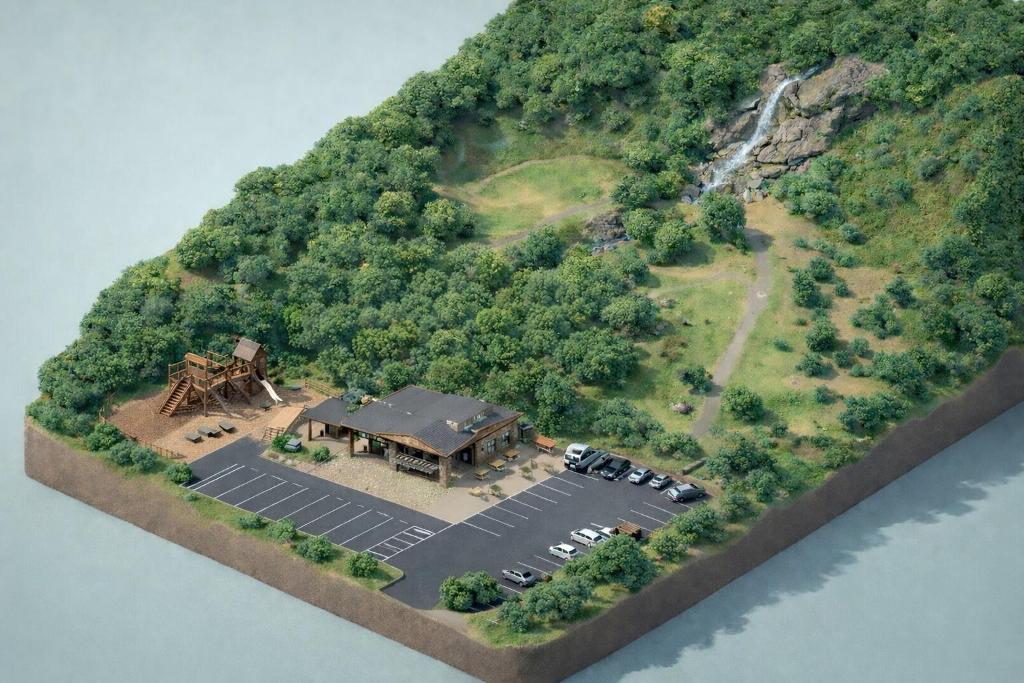
Powerscourt Estate, Wicklow
The River Dargle plunges 121 metres down rugged rock at the foot of the Glensoulan valley — Ireland's highest waterfall, ringed by woodland with picnic and barbecue areas at its base.