National Museum of Ireland, Kildare Street

National Museum of Ireland, Kildare Street
4.6 (15,257)
National Museum of Ireland, Kildare Street photo 1
National Museum of Ireland, Kildare Street photo 2
National Museum of Ireland, Kildare Street photo 3

About

Ireland's national archaeological treasures — from prehistoric gold to Viking artefacts and Iron Age bog bodies — housed in a stunning Victorian Palladian building in the heart of Dublin.

Things to Do

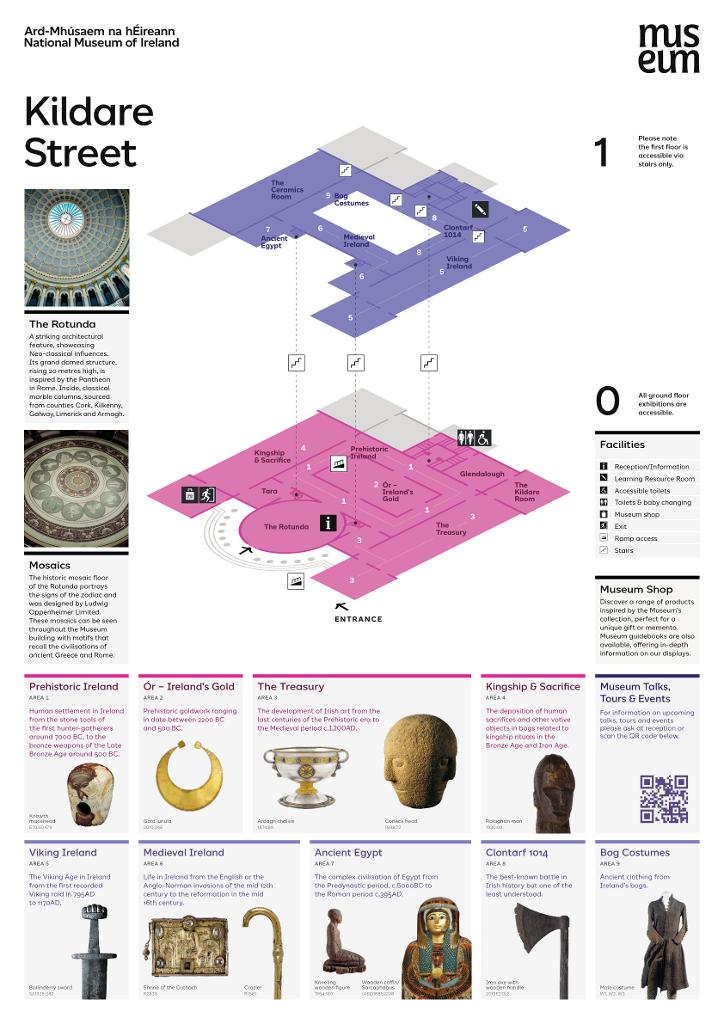
The Treasury

The crown jewel of the museum: three galleries of early medieval Irish art from the Iron Age to the 12th century. See the Ardagh Chalice, Tara Brooch, Derrynaflan Hoard, and the Faddan More Psalter — an 8th-century manuscript discovered in a Tipperary bog in 2006.

Ór – Ireland's Gold

One of the largest and most important collections of prehistoric gold in Europe, spanning 2200 BC to 500 BC. See delicate lunulae, twisted torcs, and sheet-gold collars — jewellery and ritual objects from the Bronze Age.

Kingship and Sacrifice

An extraordinary and sobering exhibition centred on Iron Age bog bodies — human remains naturally preserved in peat bogs for over 2,000 years. Explores the ritual of sovereignty and sacrifice in the Bronze and Iron Ages.

Viking Ireland

The finest collection of excavated Viking-Age finds from any early medieval site in Europe. Centred on the Museum's own Dublin excavations (1962–1981), it traces Norse impact on Ireland from the first raids around 795 AD through to cultural fusion and the first towns.

Prehistoric Ireland

Trace 9,000 years of human settlement — from the stone tools of Ireland's first hunter-gatherers around 7000 BC through to Late Bronze Age weapons. Highlights include a reconstructed passage tomb, a decorated flint mace head from Knowth, and a 4,500-year-old logboat from Lurgan, Co. Galway.

Glendalough: Power, Prayer and Pilgrimage

A newer exhibition showcasing 26 objects never before displayed from one of Ireland's most important monastic sites. Discover the lives of monks, pilgrims, and the powerful at Glendalough through artefacts including a 10th-century leather shoe and an 11th-century bishop's decorated pin.

The Building Itself

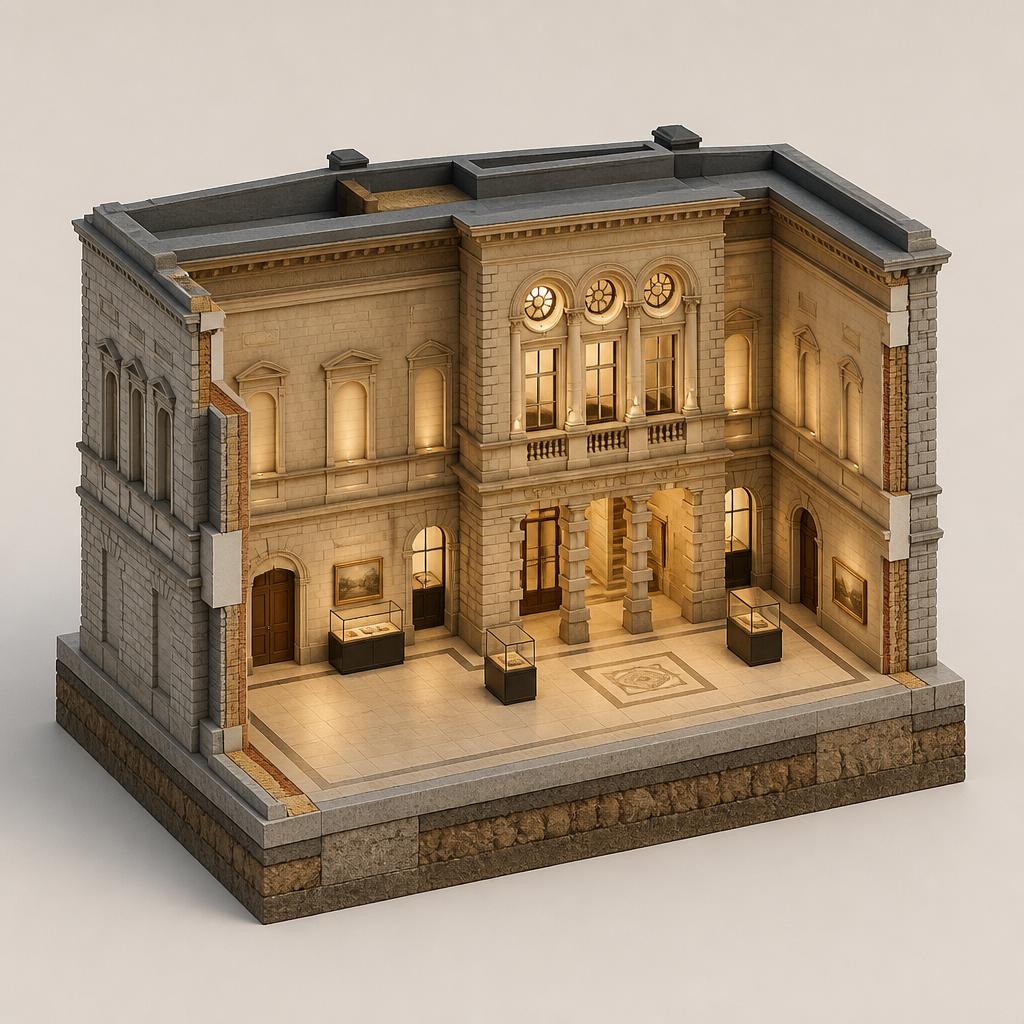
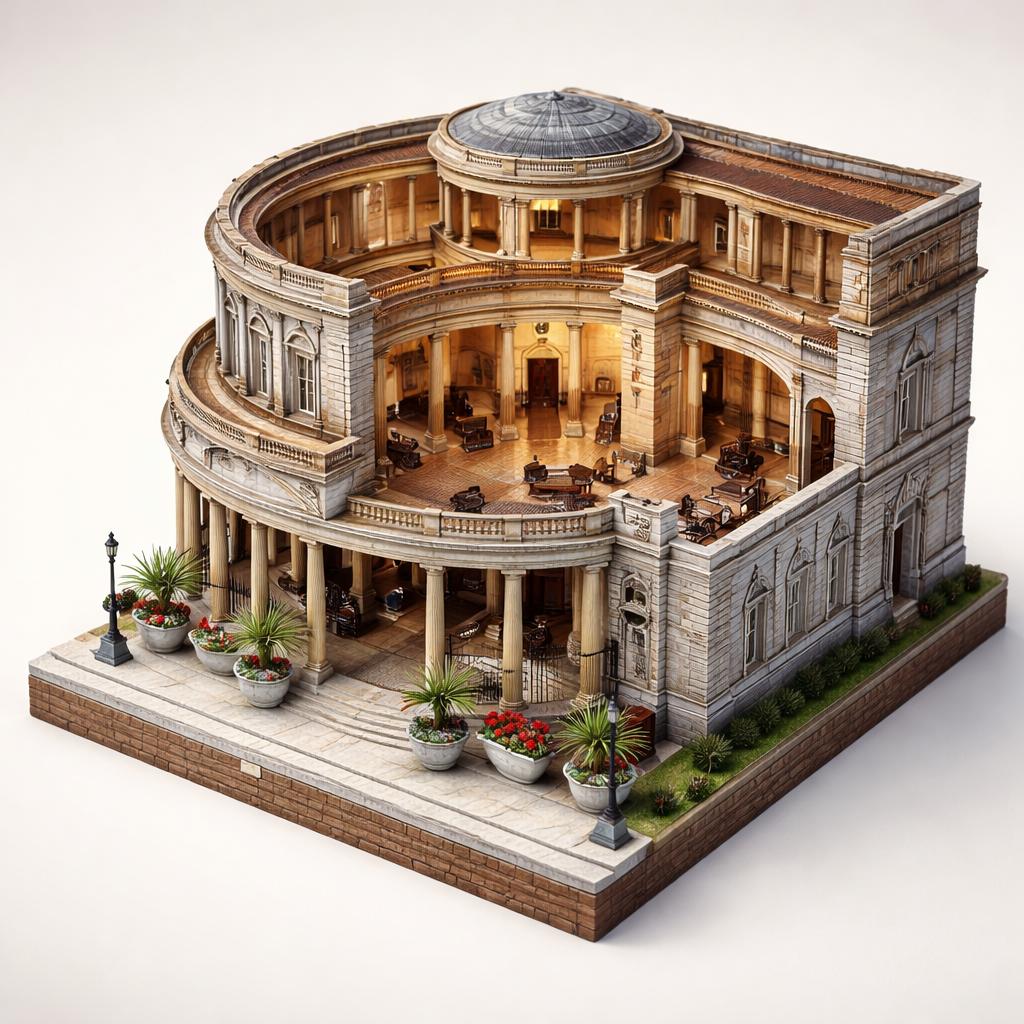
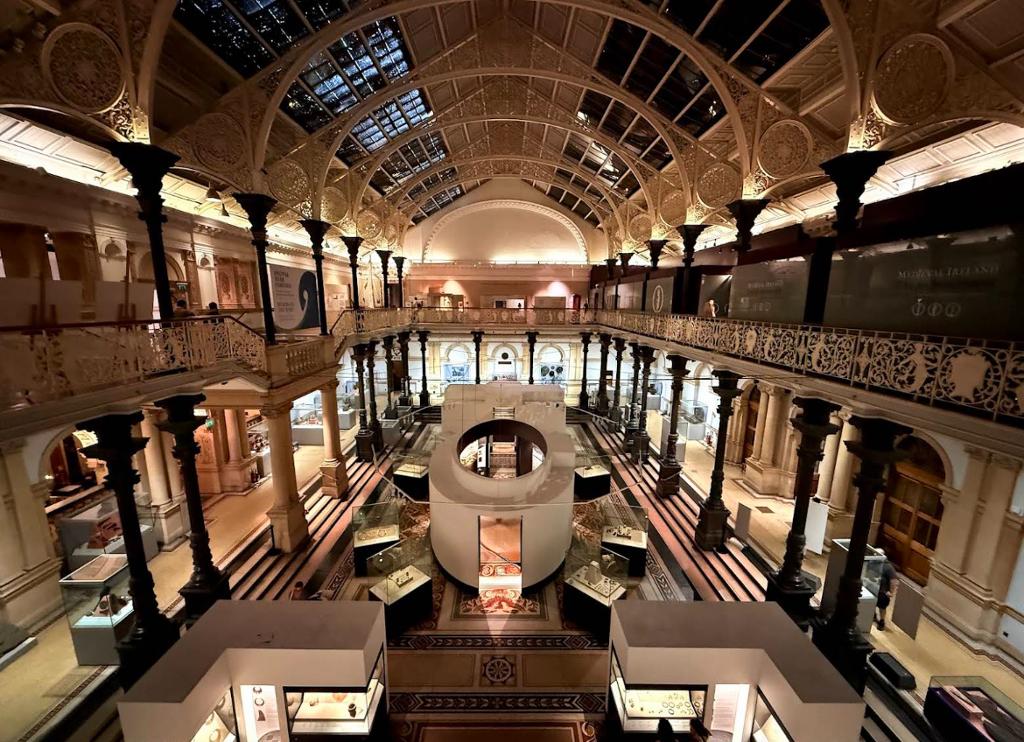
Opened in 1890, the Victorian Palladian building is an attraction in its own right. Look for the domed rotunda inspired by the Pantheon in Rome, classical marble columns from across Ireland, and the zodiac mosaic floor by Oppenheimers of Manchester.

Plan Your Visit

  • Hours: Tuesday–Saturday 10am–5pm, Sunday–Monday 1pm–5pm. Late opening until after 5pm on the last Thursday of every month (Dublin by Dusk events). Closed Christmas Day, St Stephen's Day, and Good Friday. Christmas Eve: 10am–12pm. Last entry recommended by 4.30pm.
  • Admission: Free admission for all visitors.
  • Parking: No on-site parking. Nearest public paid car parks are off Dawson Street and at Setanta Place. On-street pay-by-meter parking is available around Merrion Square, about a 10-minute walk. Blue badge spaces on Dawson Street (east side), St Stephen's Green (north and west), and Merrion Square West.
  • Food: No café within the Kildare Street building. Plenty of cafés and restaurants are within a short walk along Kildare Street, Grafton Street, and around St Stephen's Green.

Getting Around

Map

Watch More

See it on the map

Load the interactive map to explore this place location.

Nearby places