Seal Watching in Ireland: 11 Places to See Grey Seals
11 places · Updated October 2026
Eleven places in Ireland where you can watch grey seals, from boat trips that sail within metres of island colonies to free clifftop walks above pupping coves. Five are sailings: a 400-strong colony in Clew Bay, 200 seals on Donegal's Seal Island, and the Blasket colonies off West Kerry. The rest are shore sites — beaches and headlands where seals haul out on rocks at low tide, best watched from above. Most are free; the boat trips need booking, run seasonally, and are cancelled when the sea turns. Pups appear in summer in the west and from September off West Cork and Wicklow.
1.Westport Cruises
400 seals, a few metres away
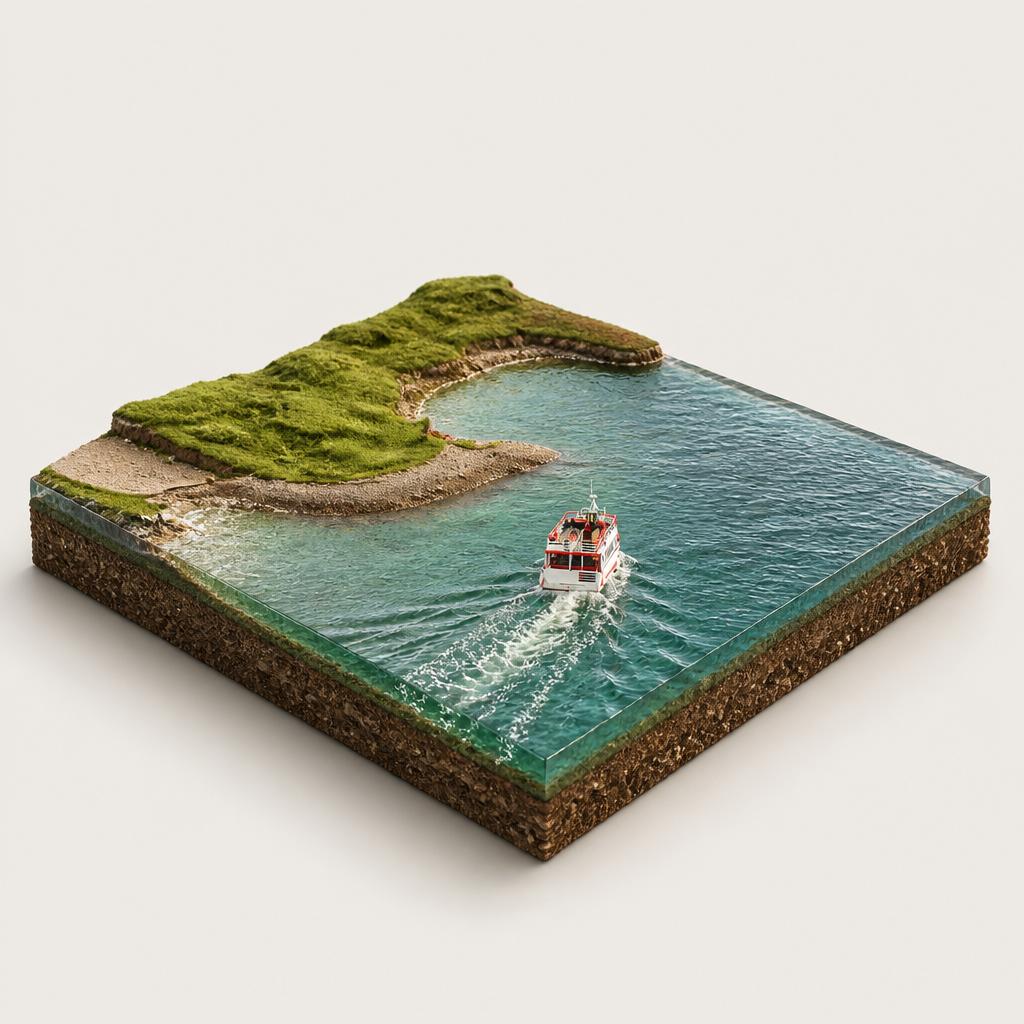
The most seal-dense trip here. The boat leaves Westport Harbour and closes to within metres of a colony of around 400 animals on drumlin islands with no other way ashore. New pups are visible in June, July and August. It is a 50-passenger ship with a heated lounge, so Atlantic drizzle does not spoil it.
- Best time
- New pups are visible in June, July and August.
- Tip
- Westport is a tidal harbour, so sailing times change day by day — check the operator's calendar rather than assuming a fixed departure.
2.Garinish Island (Oileán Garinis)
Seals on the way to a garden
Season: Seals are observed in summer, with curious pups in June–July.
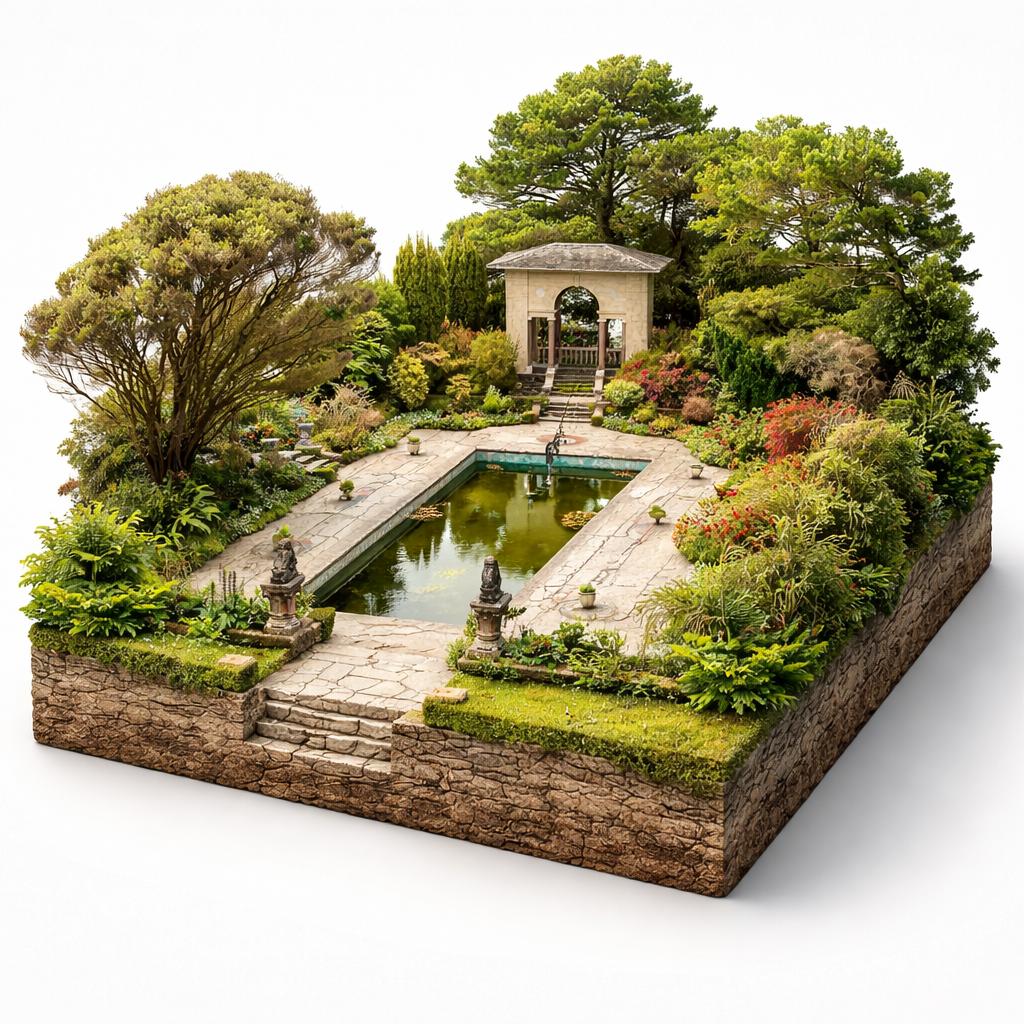
The crossing earns this place its spot: a 15-minute ferry from Glengarriff detours past the harbour's seal colony, and white-tailed eagles nest nearby. Seals are seen in summer, with curious pups in June and July. You land at an Italian-style island garden with a Martello Tower, a café and a museum, so it fills a half-day.
- Best time
- Summer, with curious pups around June and July.
- Tip
- Island admission is paid separately from the boat fare, which the operators charge themselves — the garden closes for winter from 4 November.

3.Dingle Dolphin Boat Tours
Past Ireland's largest seal colony
Season: Sightings vary by season and cannot be guaranteed year round.
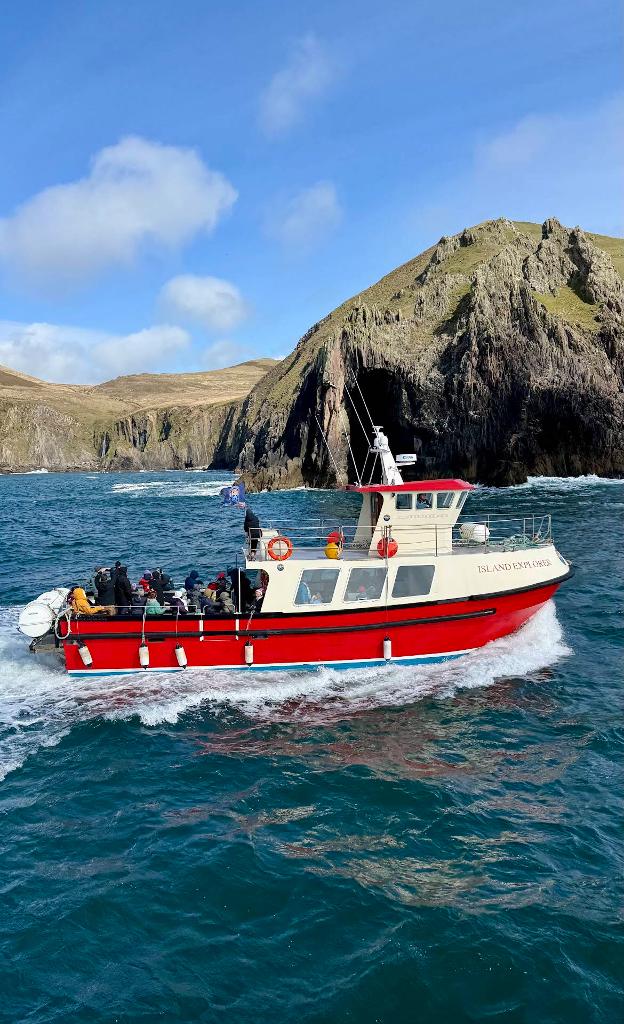
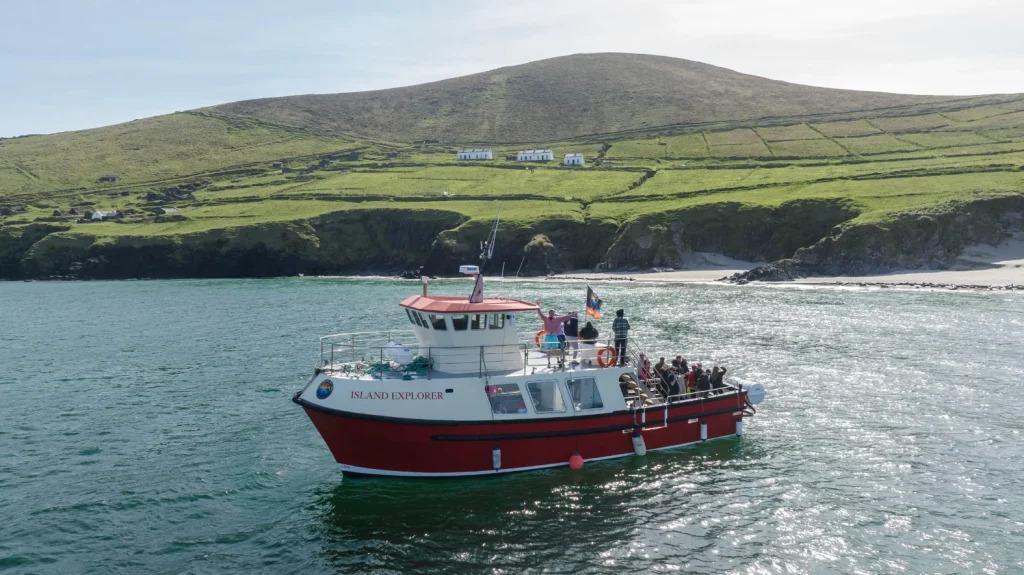
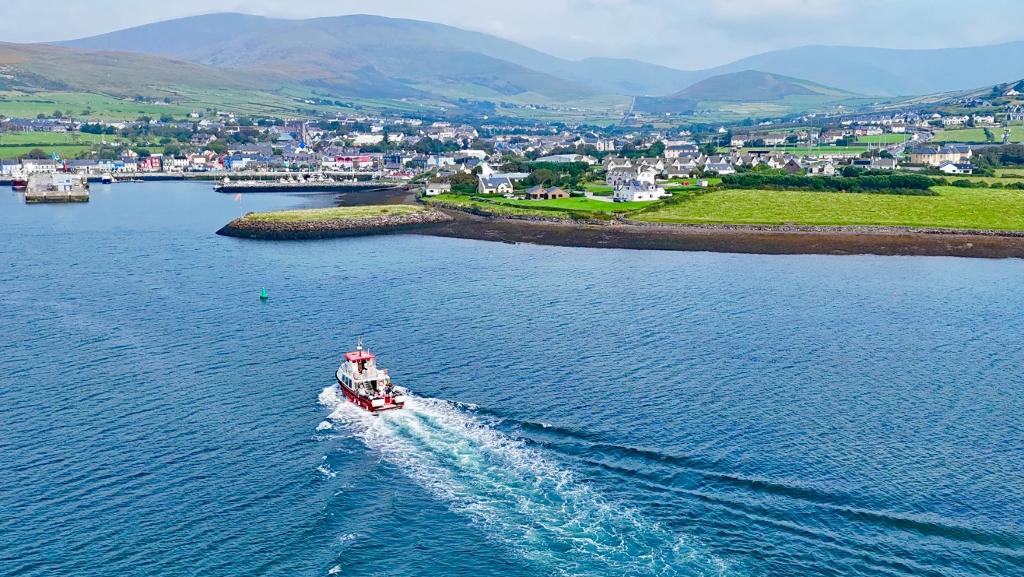
Sailing since 1987, this is the low-risk pick. The 3–3.5 hour Blasket trip runs past what the operator calls Ireland's largest grey seal colony, while the four-hour wildlife tour has no fixed route and follows whatever the skipper finds. Toilets, Wi-Fi and life jackets on board, and dogs travel on a lead.
- Best time
- Seals are seen year-round, though sightings are never guaranteed and vary by season.
- Tip
- Arrive 30 minutes before departure and allow time for parking — the marina car park is often full in high season, and wheelchair access needs arranging in advance.
4.Donegal Bay Waterbus
Seal Island, 200 strong
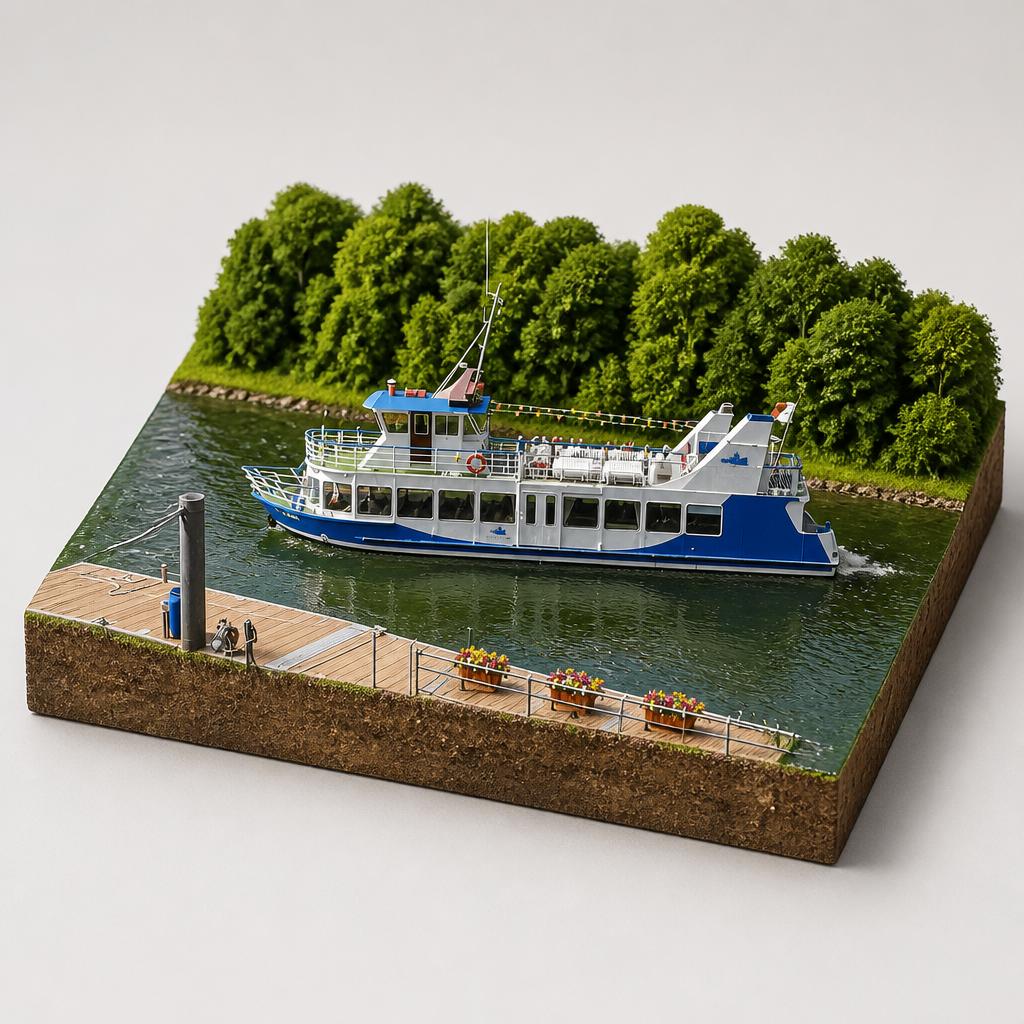
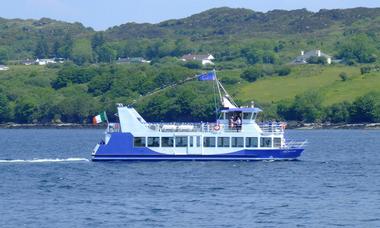
A 75-minute loop from Donegal Town pier around the seven Green Islands, with a 200-strong colony on Seal Island that can only be reached by boat and is tide dependent. The waterbus has an open top deck, a heated lower lounge and a bar; there is no food service, and about 140 passengers travel at a time.
- Best time
- Tide-dependent: the island the colony uses can only be approached by boat, so sailing times shift with the tide.
- Tip
- The timetable is seasonal and changes at short notice — the day's sailing times are posted on the operator's Facebook page, so check before setting out.
5.Cé Dhún Chaoin / Dunquin Pier
Free clifftop view of a colony
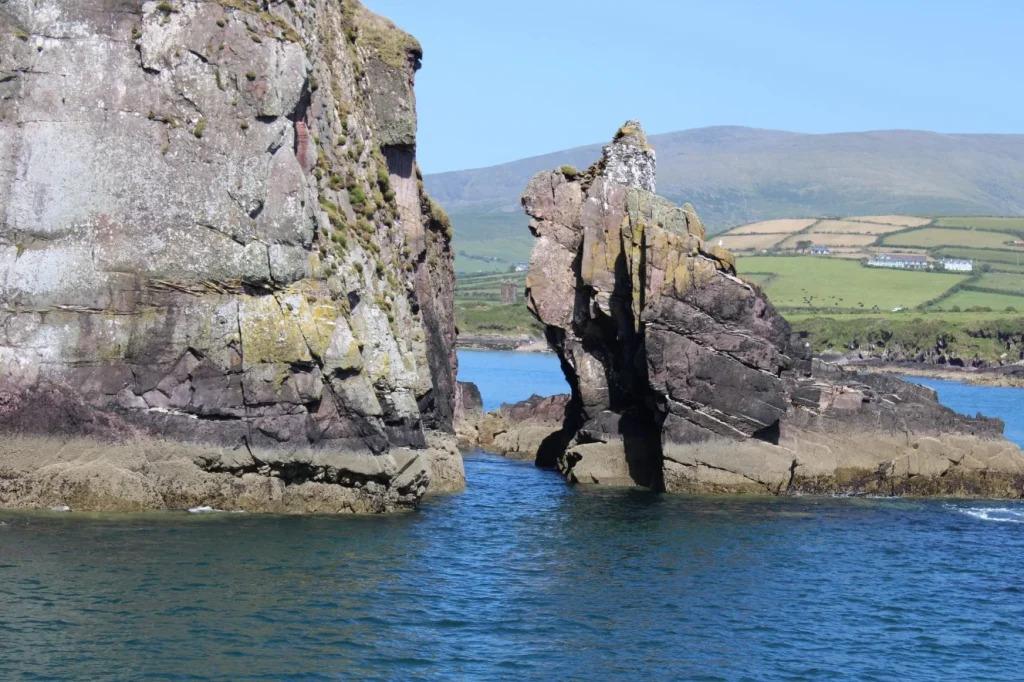
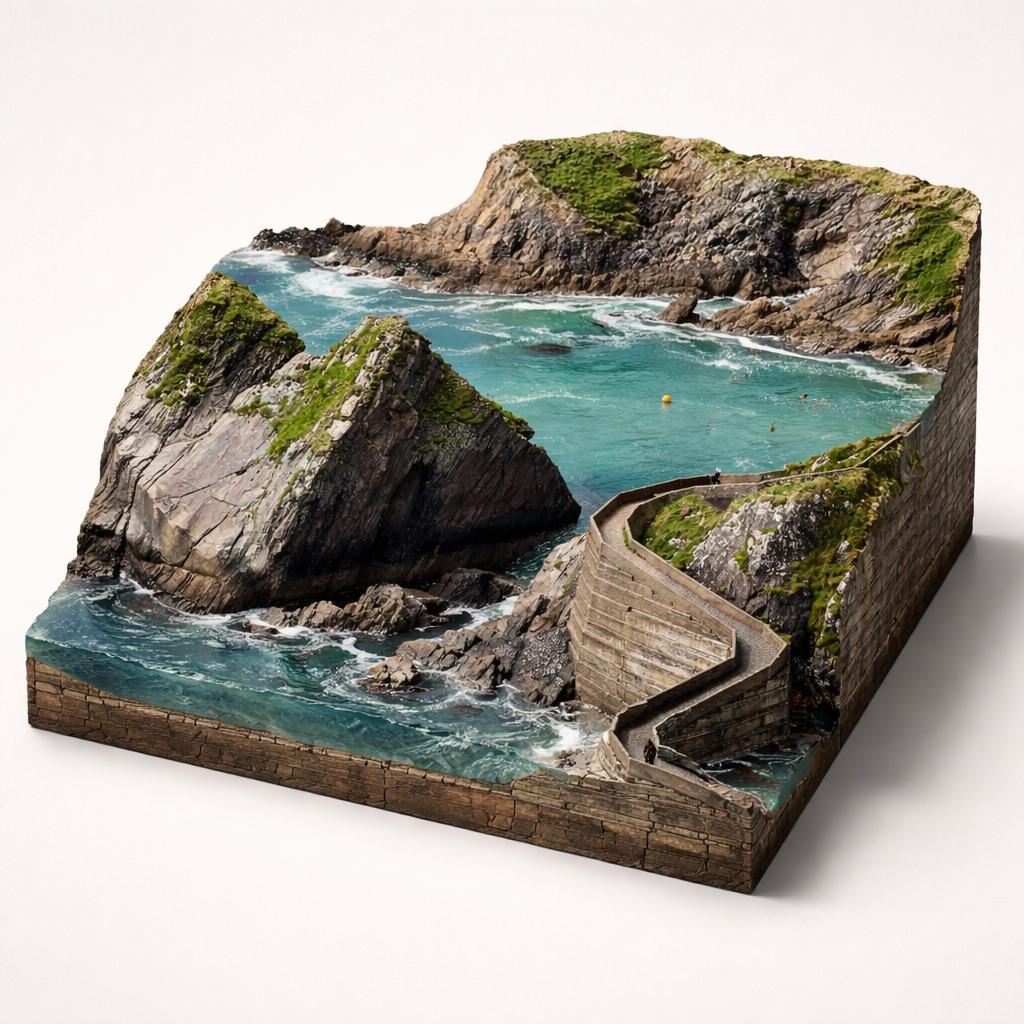
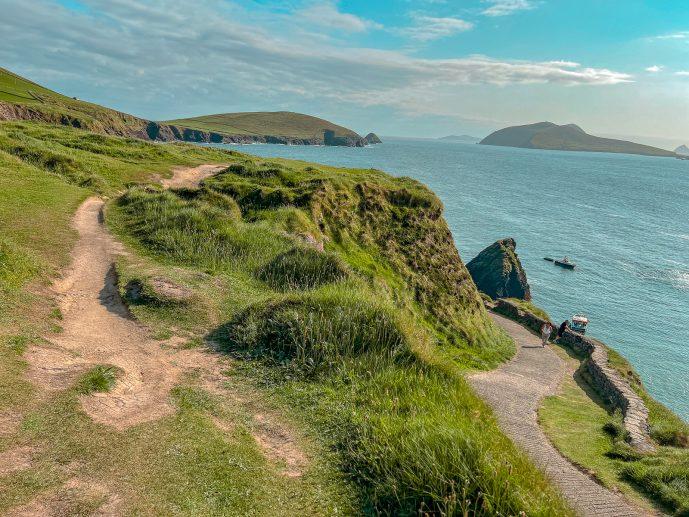
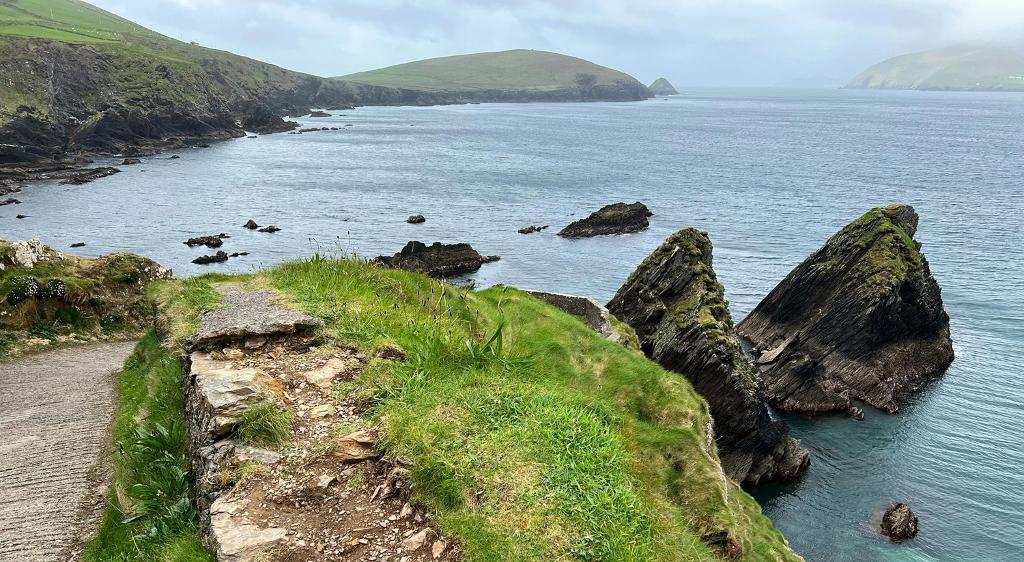
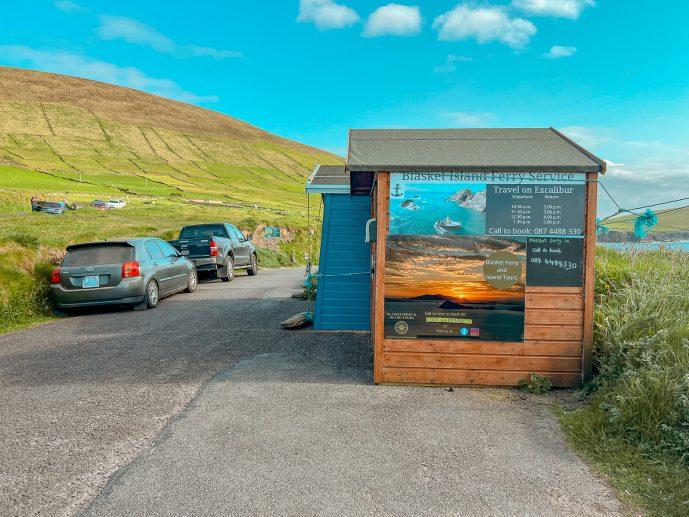
Entry and parking cost nothing, and four independent publishers describe the seals here. Watch grey seals and dolphins from the clifftop above the switchback pier, or take the seasonal ferry from the pier itself — roughly 20 minutes each way past the White Strand's huge grey seal colony to the abandoned Blasket village. Book ahead; it is weather-dependent.
- Best time
- The Great Blasket ferry that passes the colony runs 6 May to 8 September; the pier and clifftop viewpoints are open all year.
- Tip
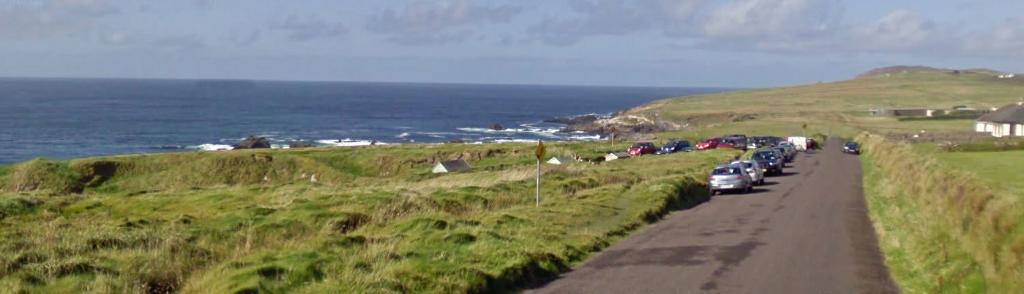
- Follow the beaten path beside the parking area, not the ramp — that is the angle that captures the pier with both sea stacks. Spaces fill by mid-morning in summer.
6.Trá Cille Aoil (Glen Strand)
A breeding cove watched from above
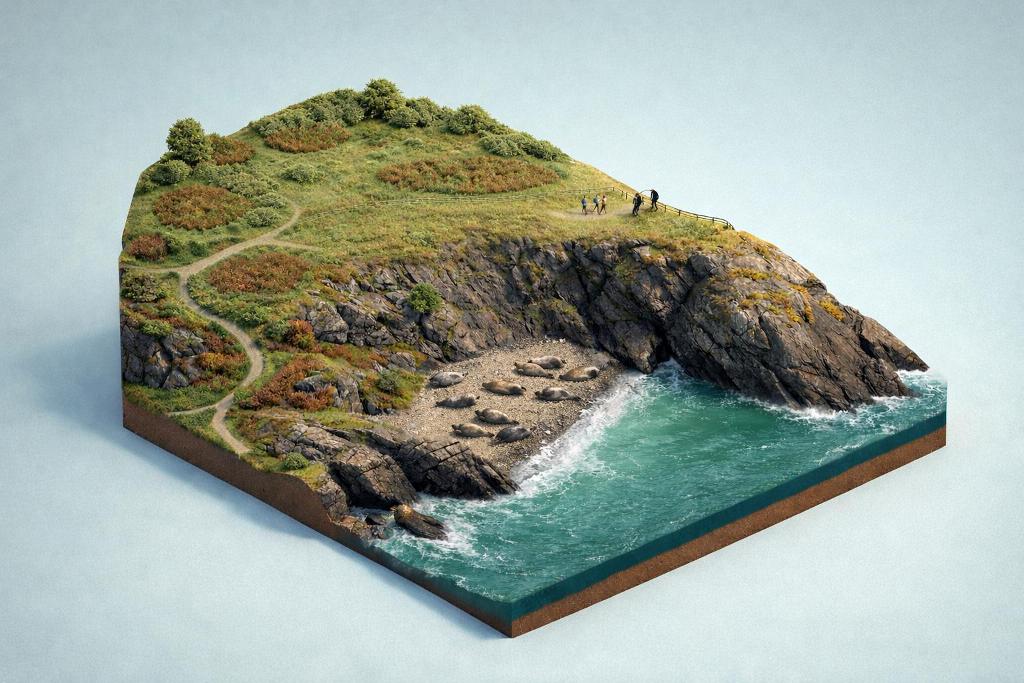
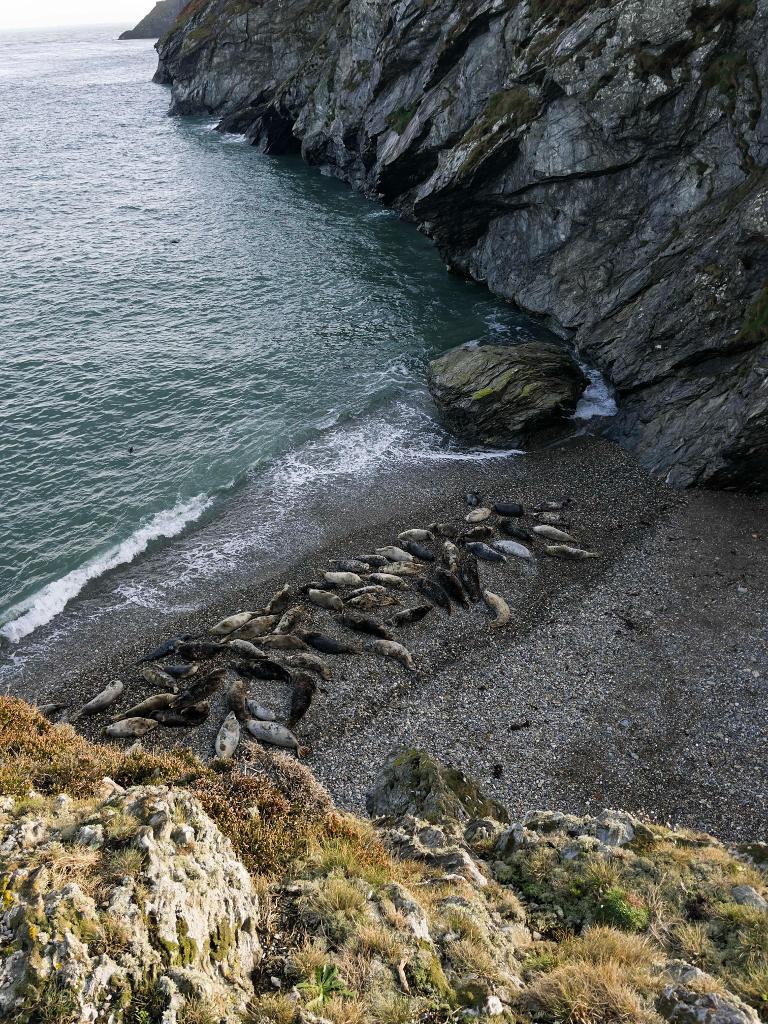
Season: Seals use the coves from August to April, when the entrances are blocked.
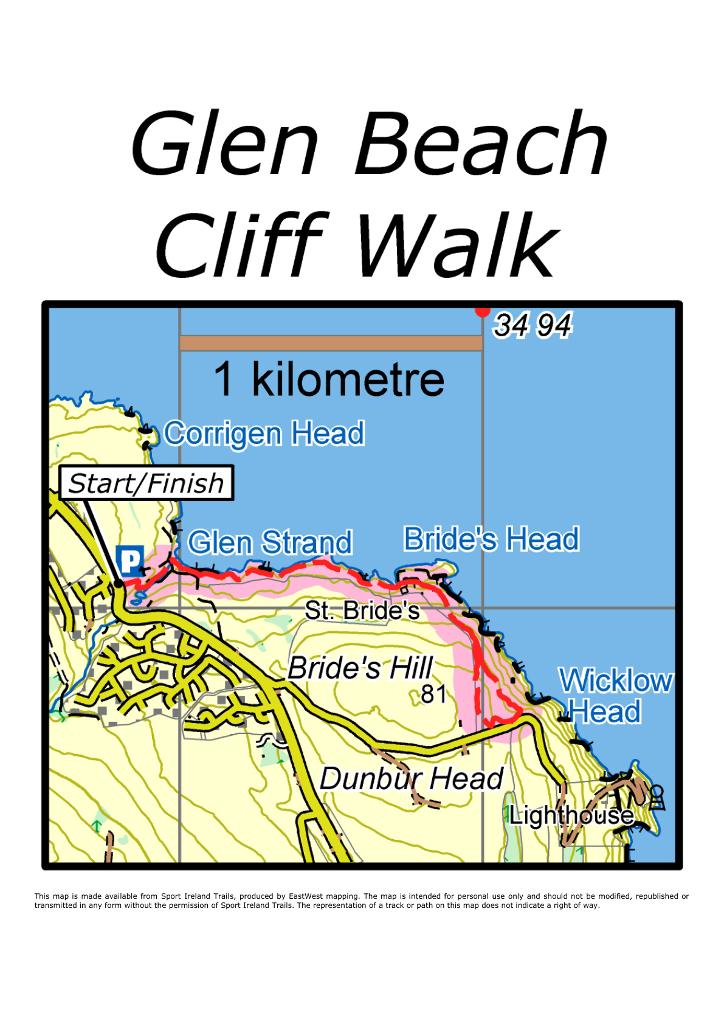
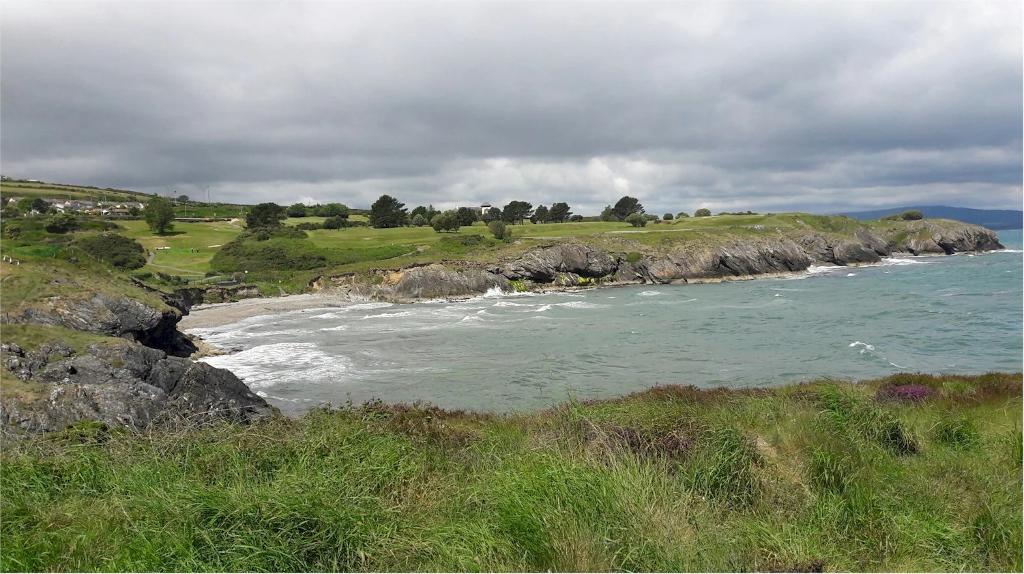
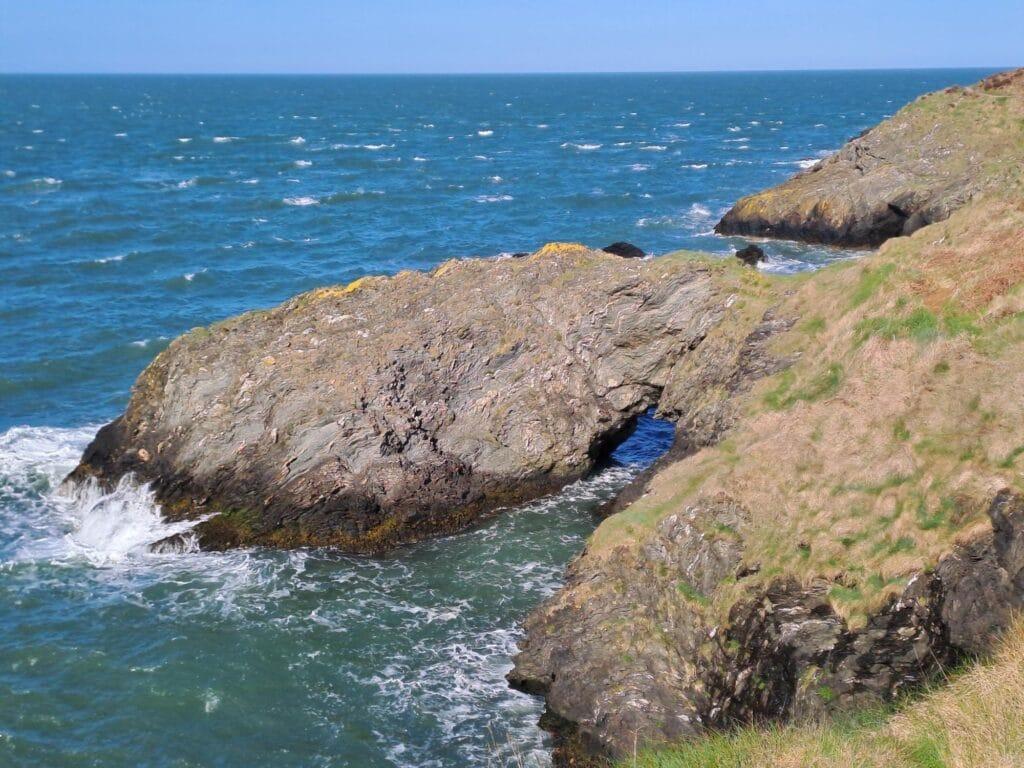
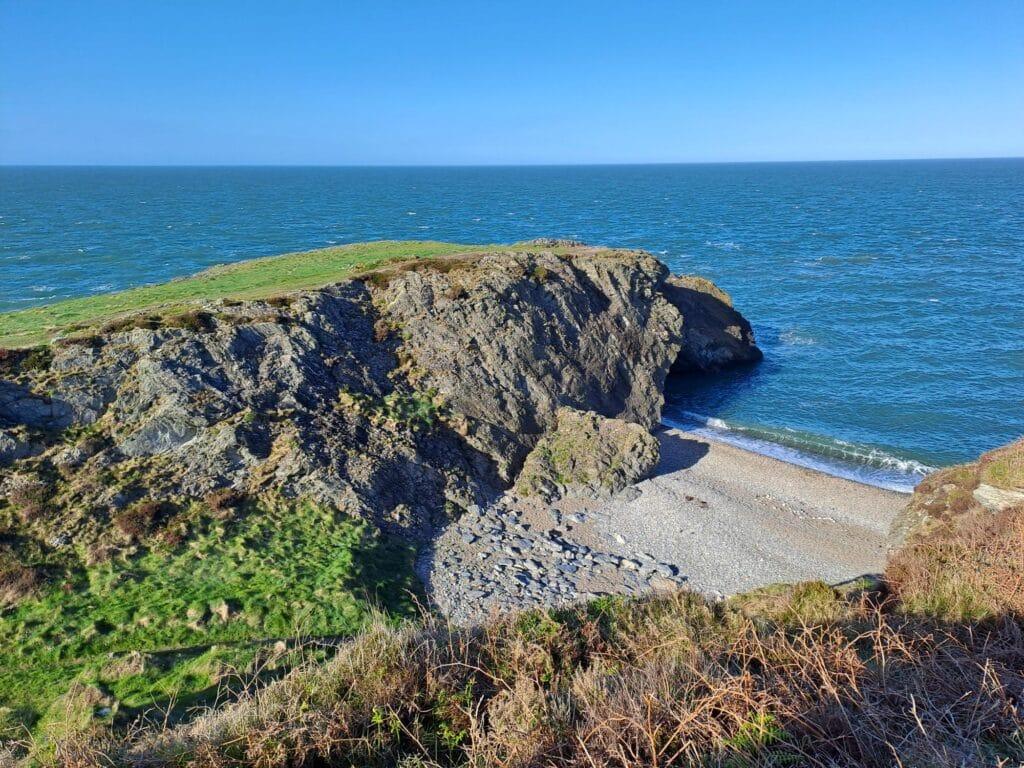
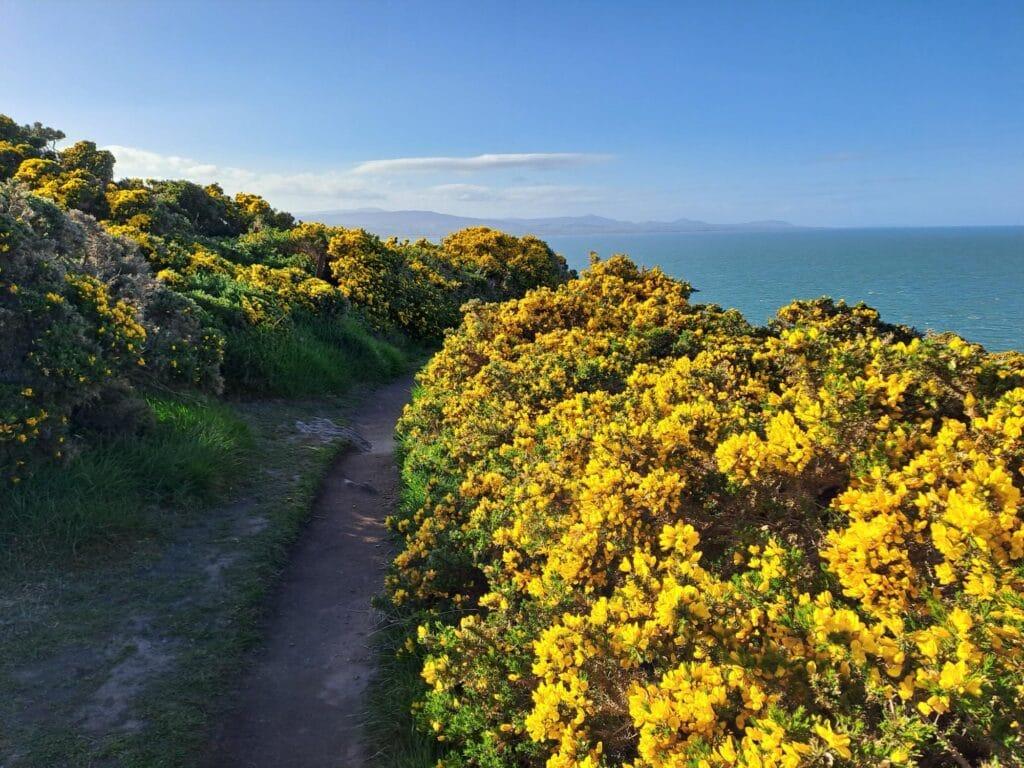
The best-documented shore site on this list, with six independent sources. Grey seals haul out at Lime Kiln Bay, and the clifftop viewpoints at Bride's Head are where you watch them; the coves are closed when pups are present. Getting there is a waymarked 4 km clifftop loop past a rock arch and an old lime kiln.
- Best time
- Seals use the coves from August to April, when the entrances are closed off.
- Tip
- Keep dogs on a lead and stay on the clifftop — descending into the coves is discouraged while seals and pups are in residence.
7.Howth Cliff Walk (Green Route)
Seals without leaving the city
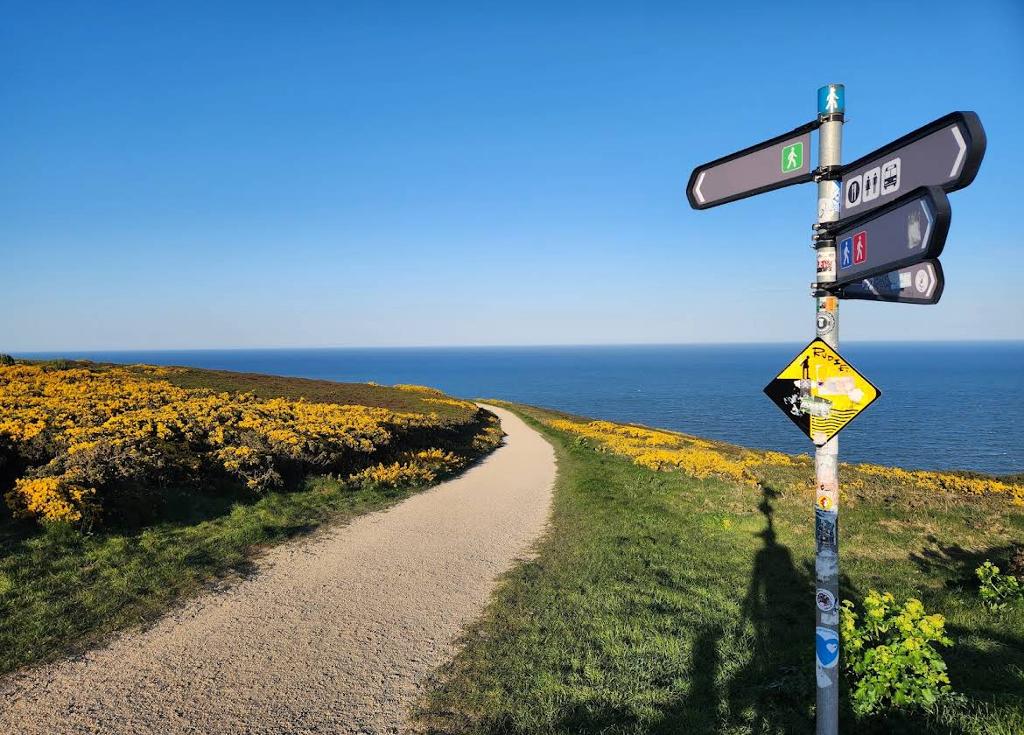
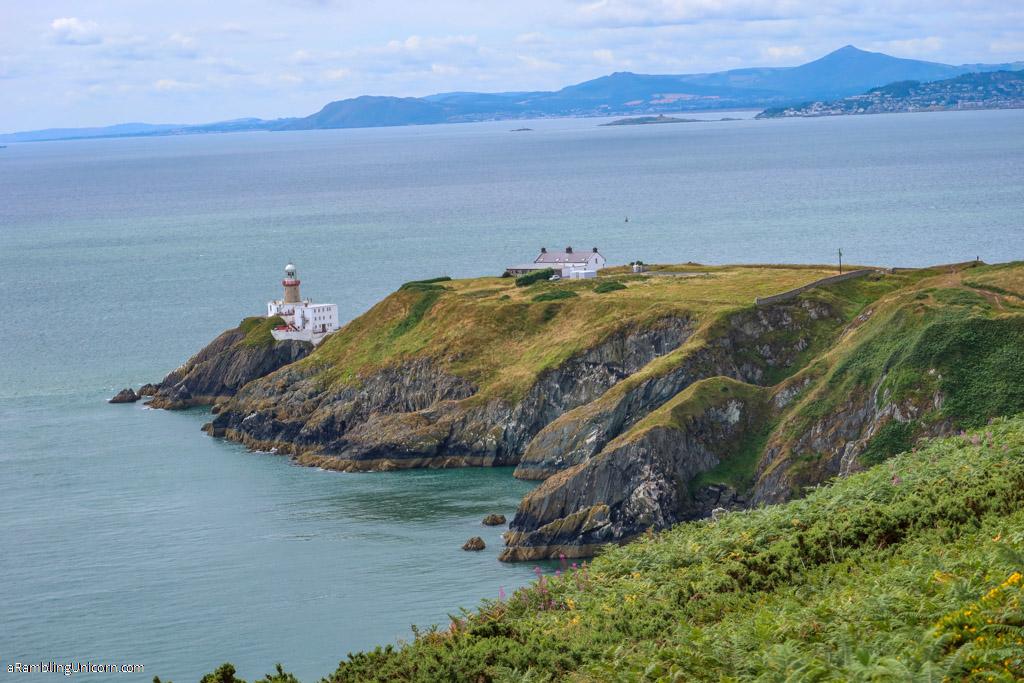
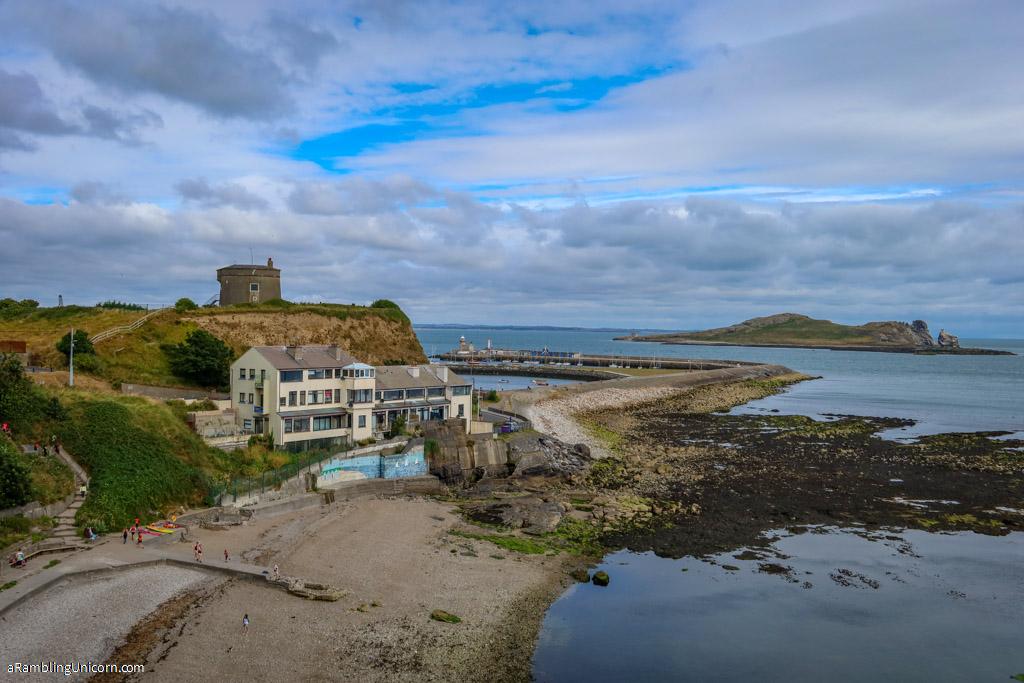
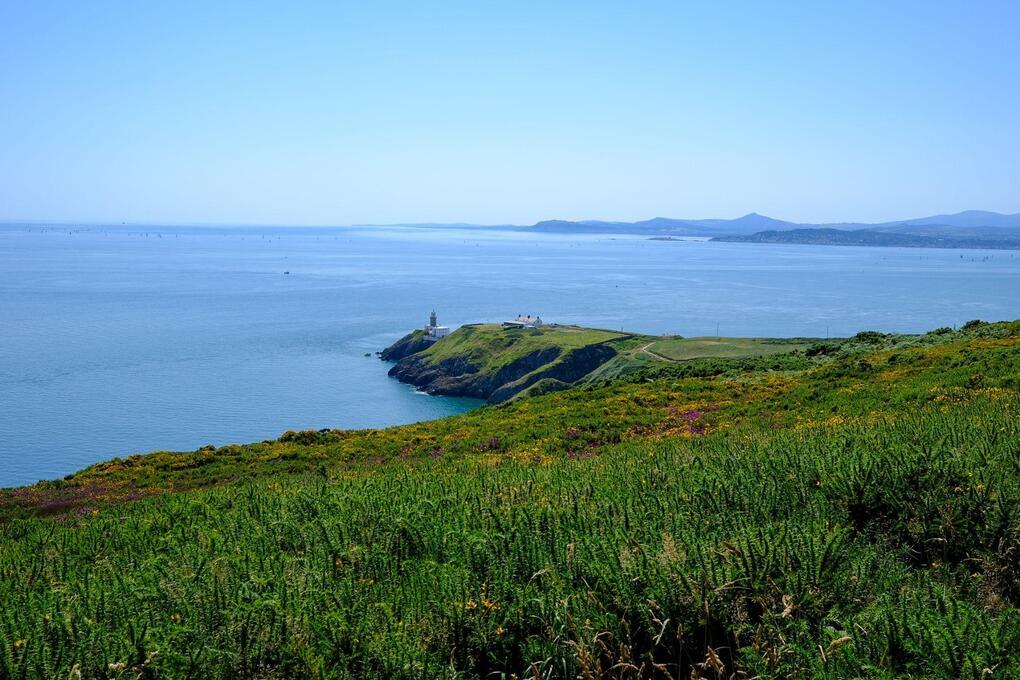
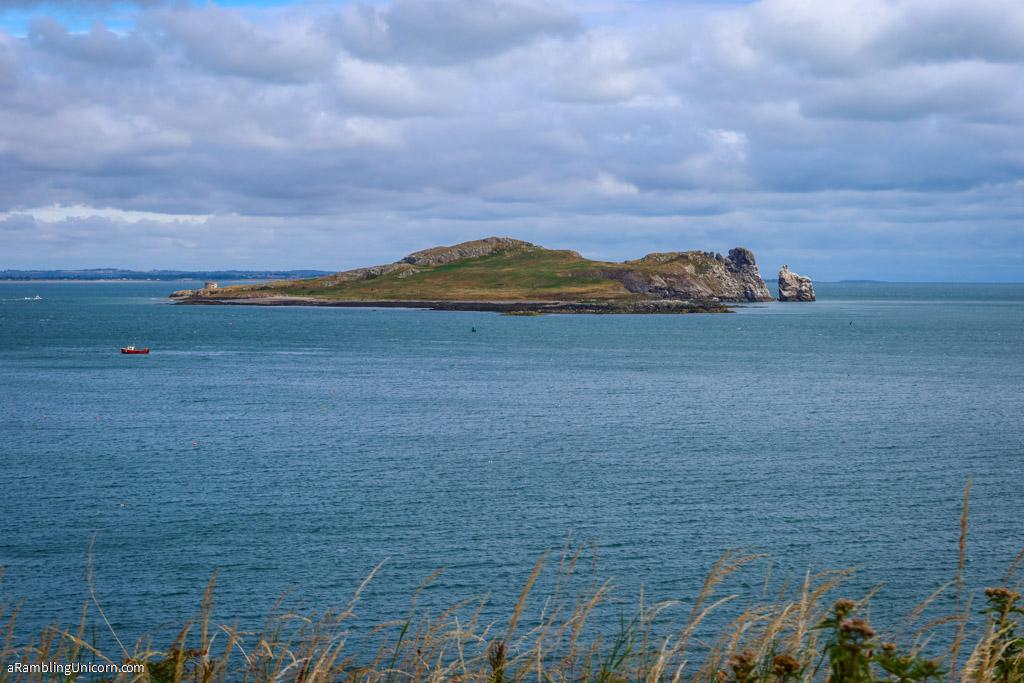
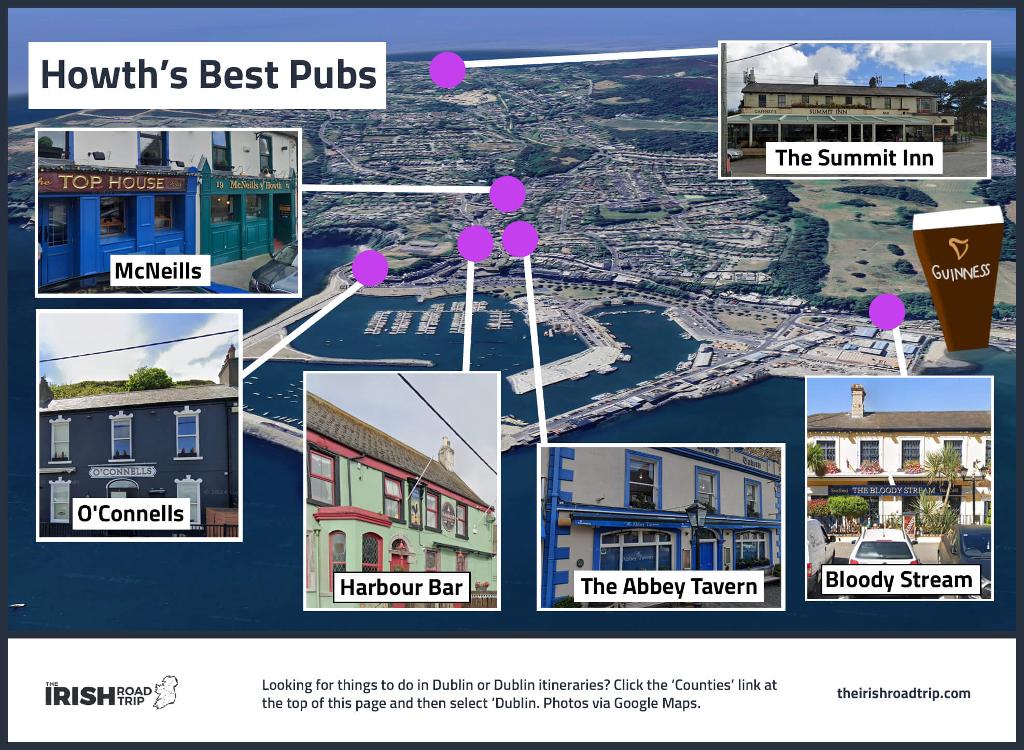
Two verified videos show seals on this walk, and the trailhead is a DART ride from Dublin. The waymarked 6 km Green Route takes about two hours along the harbour and up the sea cliffs, where grey seals are sometimes spotted below the seabird colony. Louis' Point gives the best view of the Baily Lighthouse, and the whole route is free.
- Tip
- There is no car park at the trailhead and nothing sold on the route — most walkers park at the harbour by the DART station and eat in the village afterwards.
8.Curracloe Beach
A long strand with seals offshore
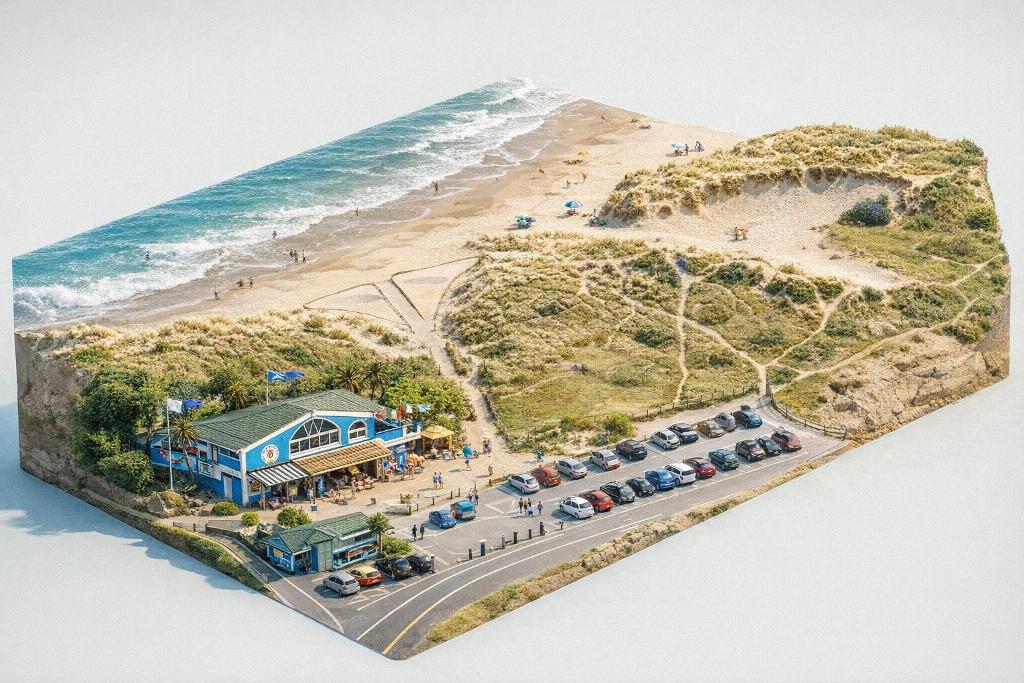
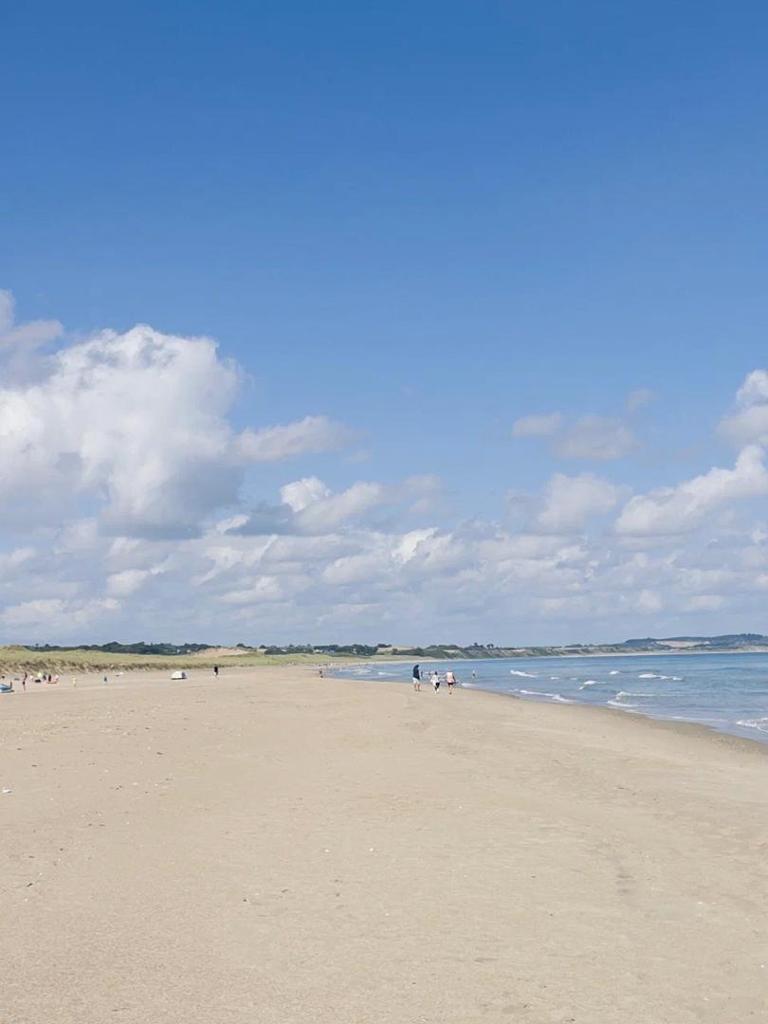
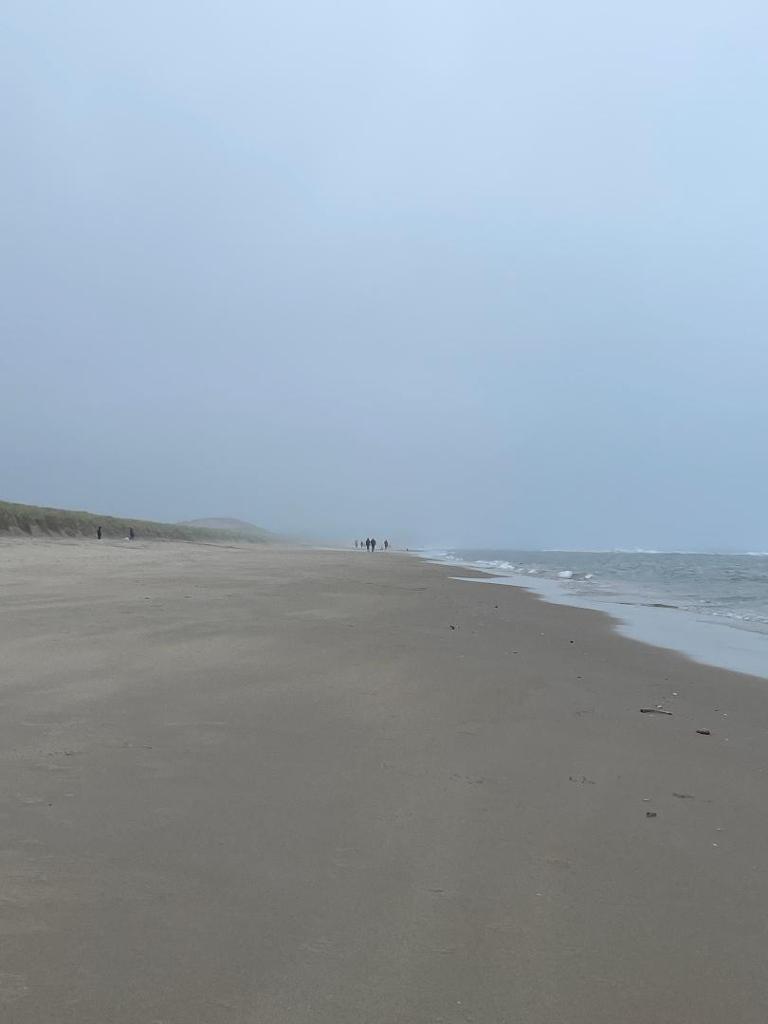
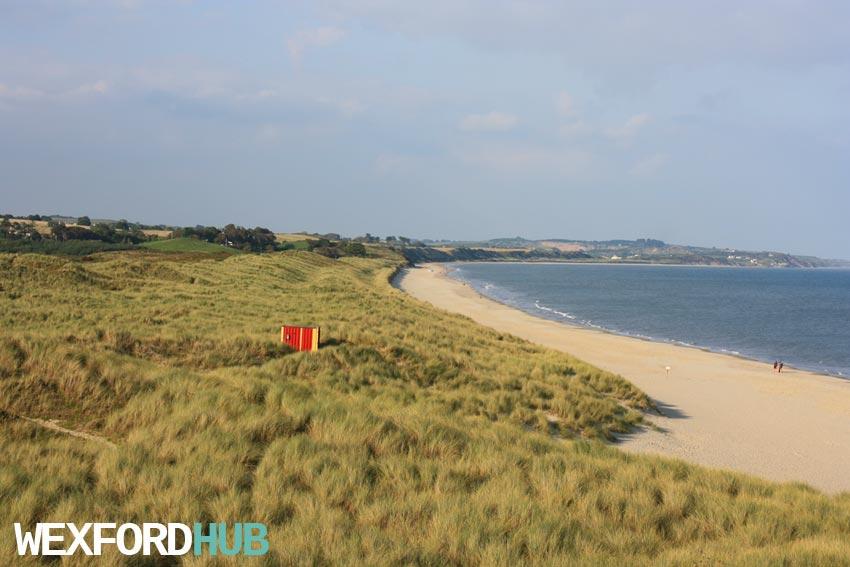
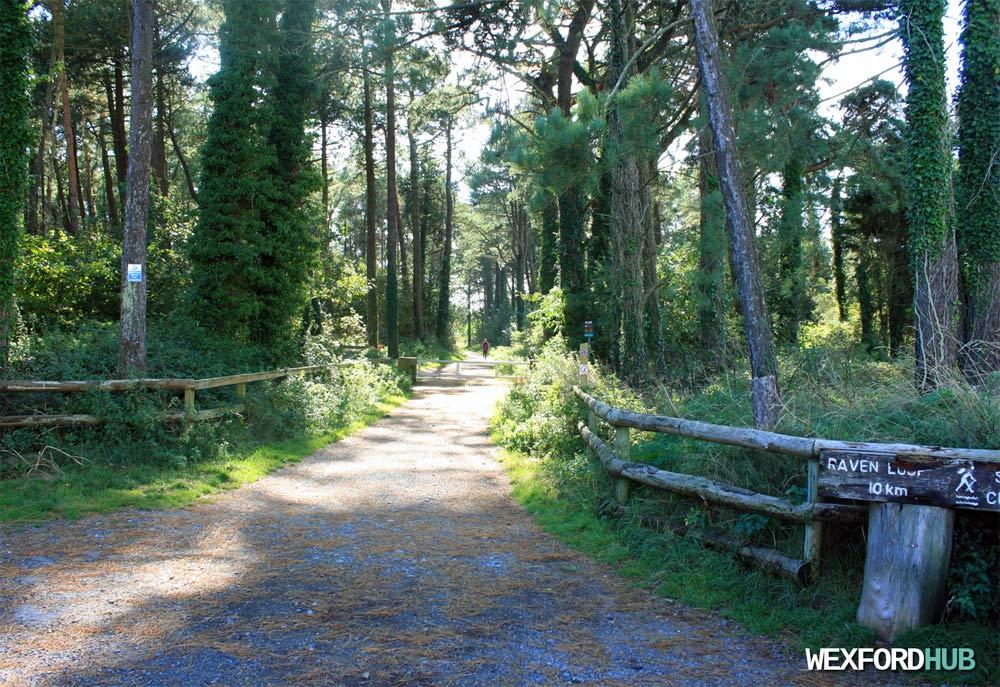
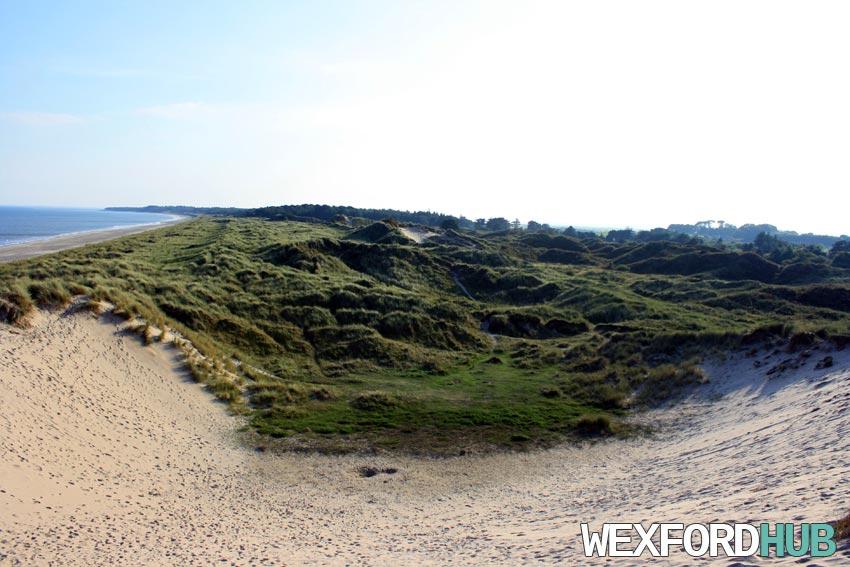
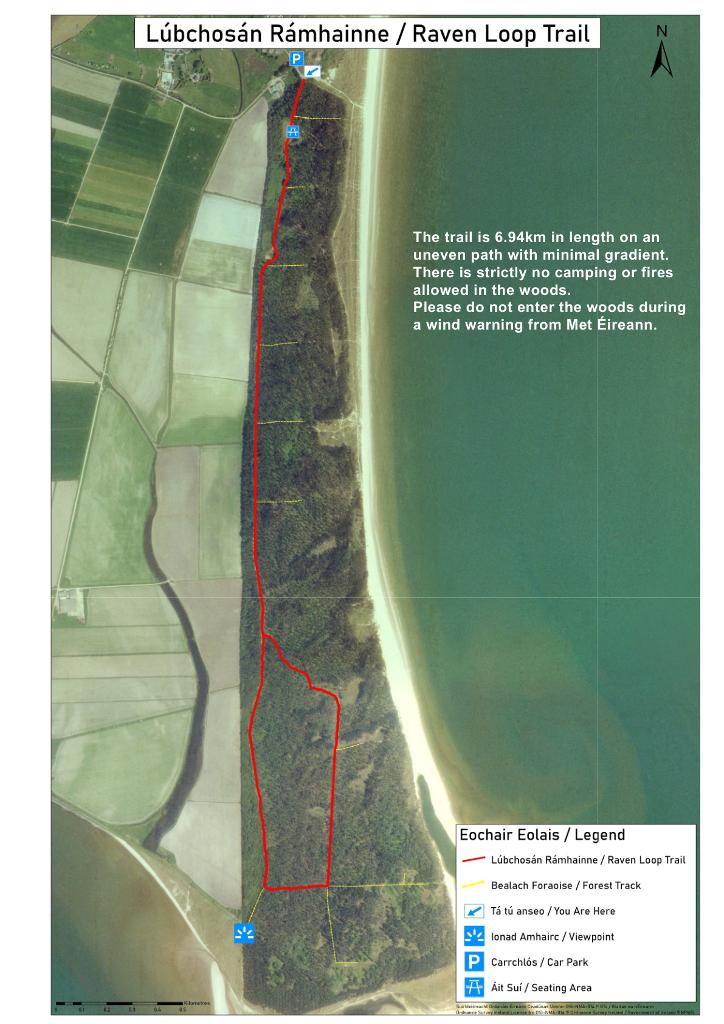
Two verified videos, one showing over 200 seals on the Wexford coastline, put this 11 km strand on the map. The reliable vantage point is the Raven Nature Reserve — a flat 6.8 km loop through pine forest to Raven Point, looking for grey seals offshore alongside red squirrels and wintering geese. Lifeguards patrol in summer.
- Tip
- Free beach wheelchairs are available at the White Gap car park with pre-booking, and the Ballinesker boardwalk is the most level way through the dunes.
9.Mizen Head Signal Station
Autumn pupping below the bridge
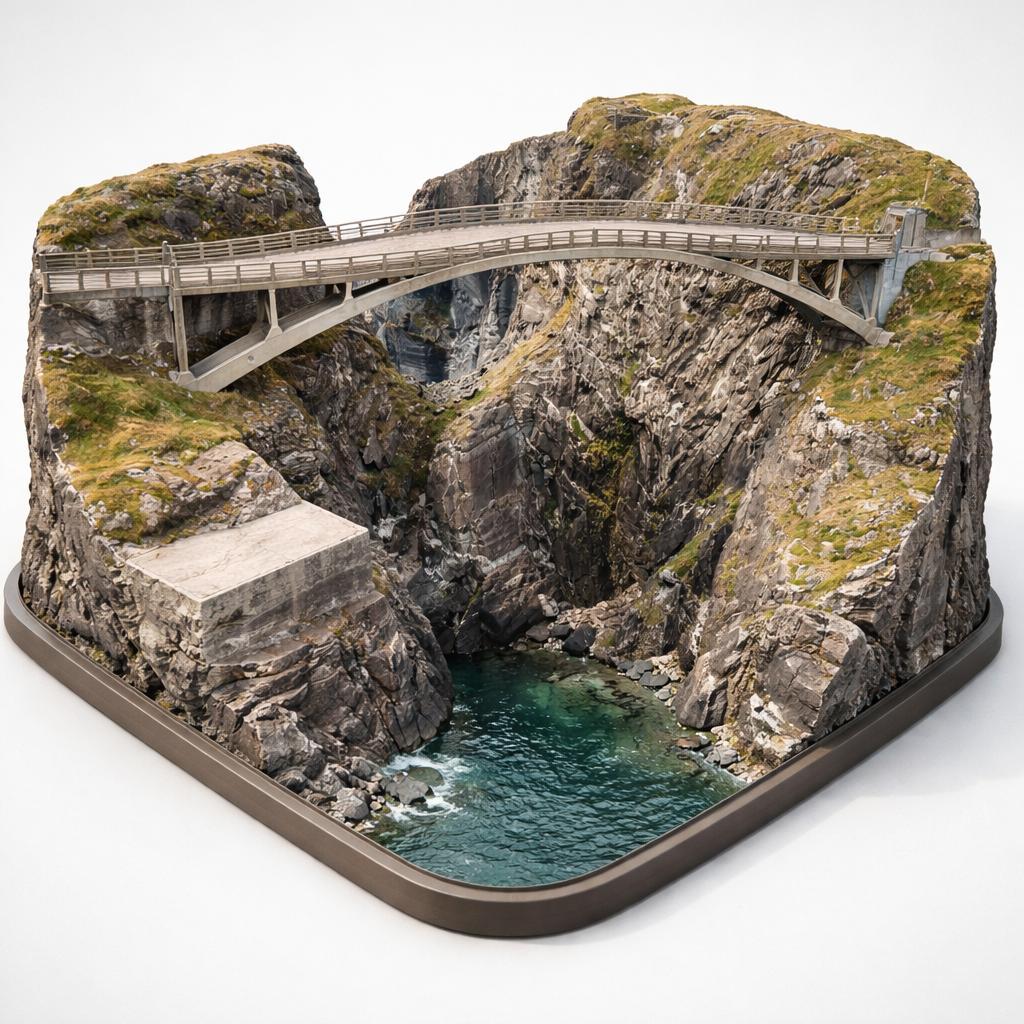
Grey or Atlantic seals fish and haul out on the rocks below Ireland's most south-westerly headland, watched from the footbridge and the 99 Steps above them. Independent publishers treat the seals as a regular sight rather than a lucky one, and pups are born between September and early November. Tickets are sold only at the desk.
- Best time
- Grey seal pups are born between September and early November.
- Tip
- Tickets are desk-only and paths begin closing from 4.30pm in July and August; between November and mid-March the site opens at weekends only.
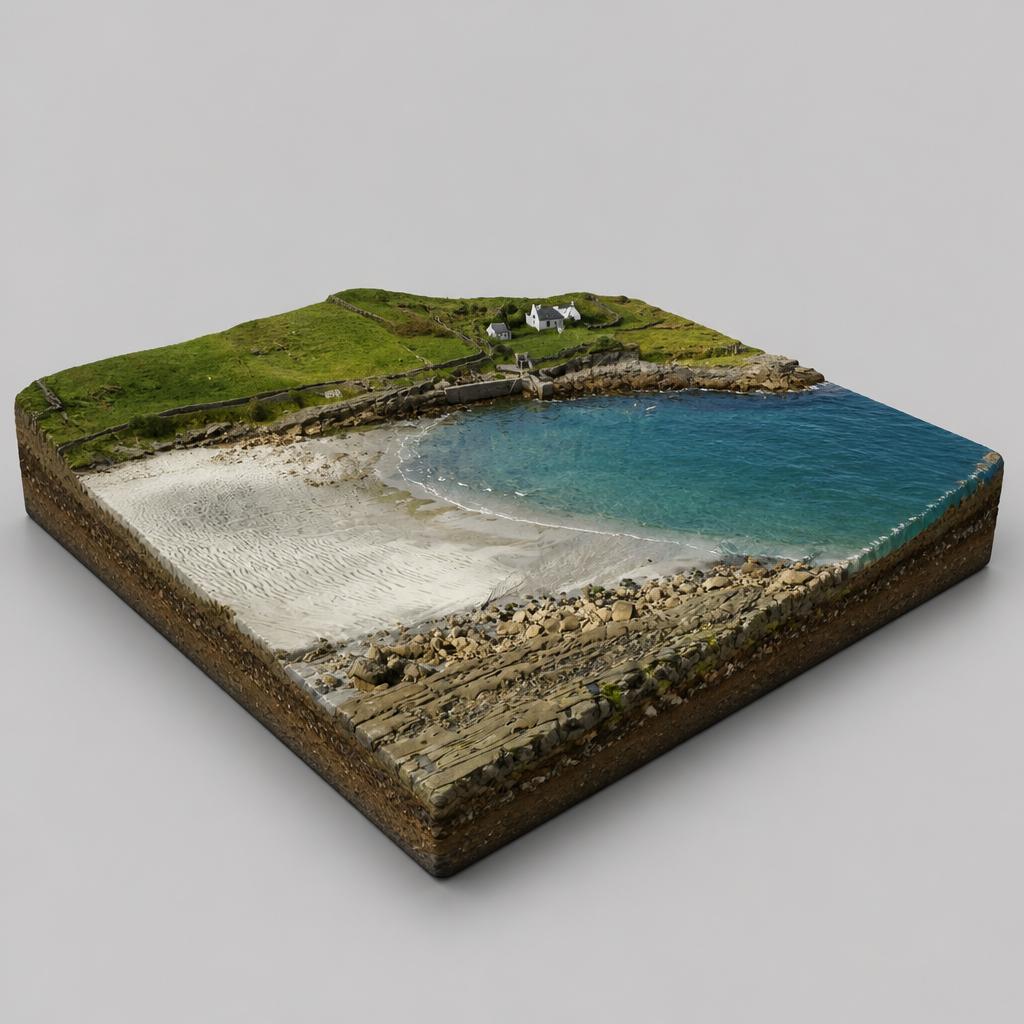
10.Kilmurvey Beach
Haul-outs at low tide
A free, walk-up alternative to the boat trips, on Inis Mór. At low tide grey seals haul out and sunbathe on the rocks along the coast, which the island's own guidance says children love. The cove is the Aran Islands' only Blue Flag beach, with lifeguards from June to September, and Dún Aonghasa is a 15-minute walk uphill.
- Best time
- Low tide, when the seals haul out on the rocks to sunbathe.
- Tip
- Time your visit to low water, and keep to the paths behind the sand, where rare plants and internationally important birdlife nest in the dunes.
11.Dingle Sea Safari
The fast, close-up option
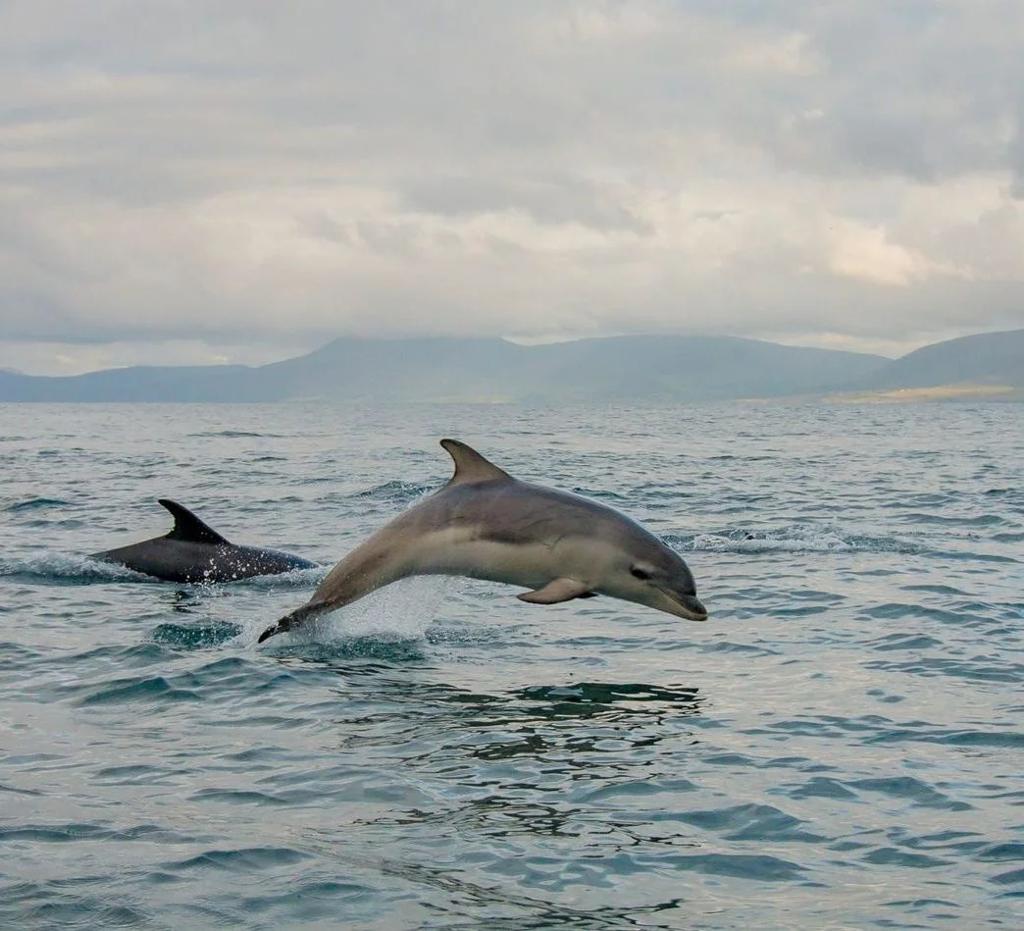
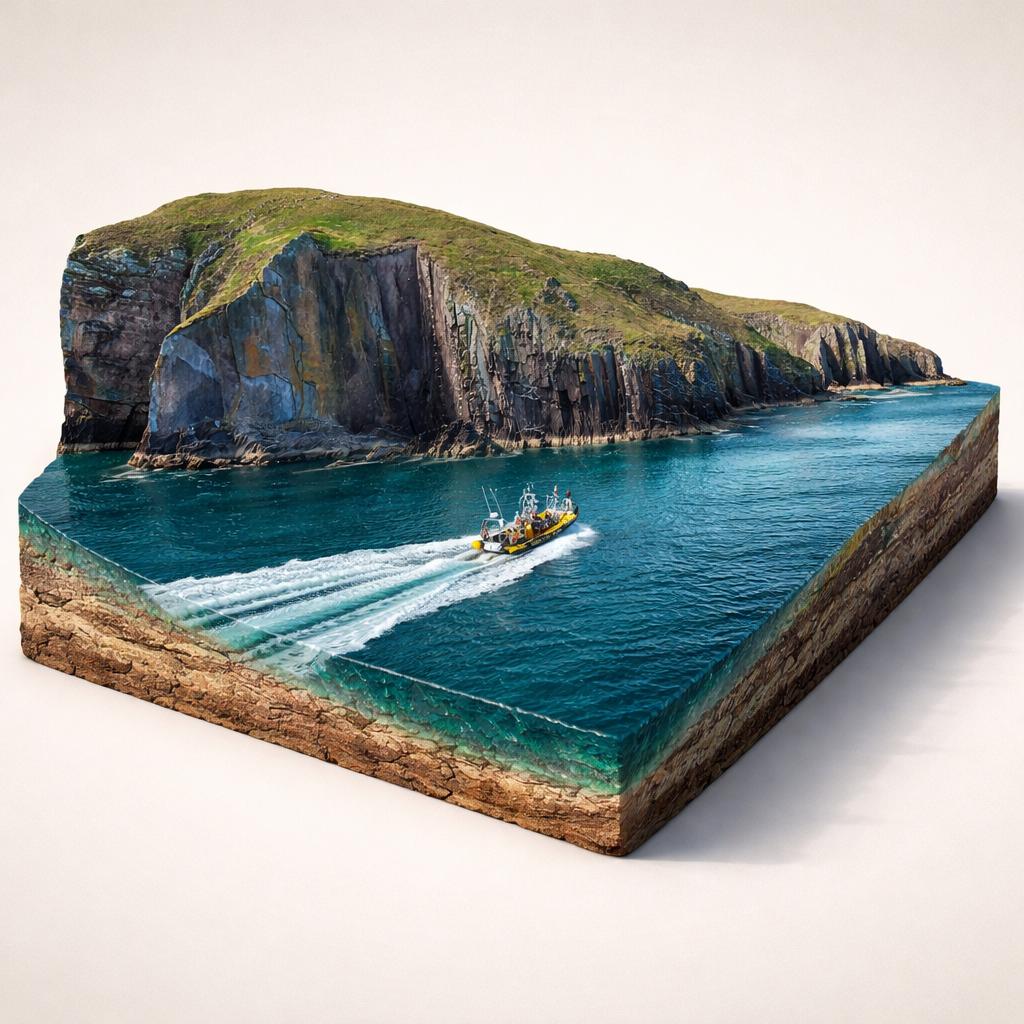
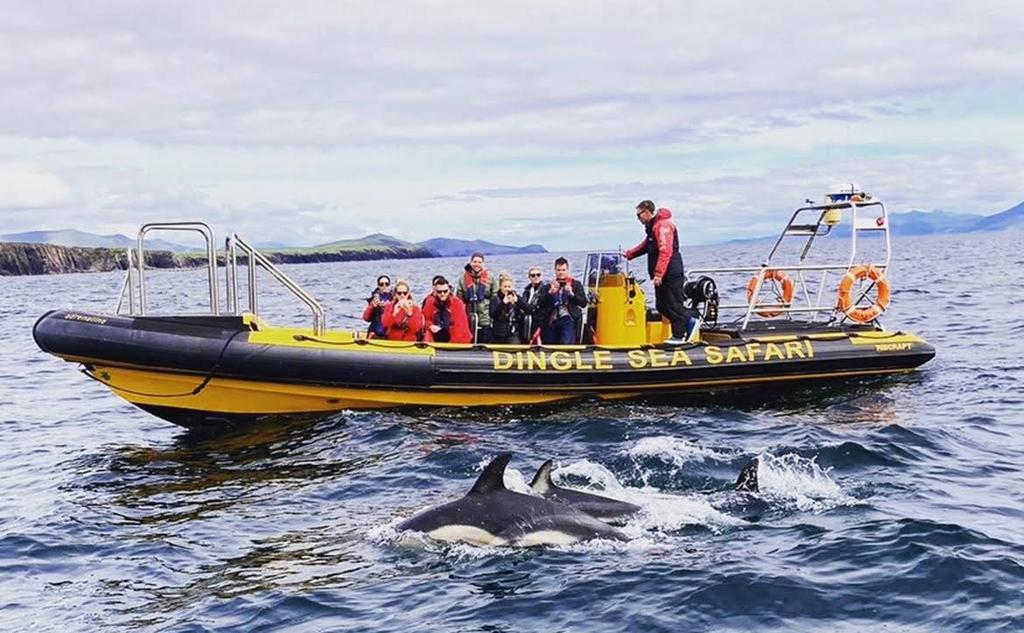
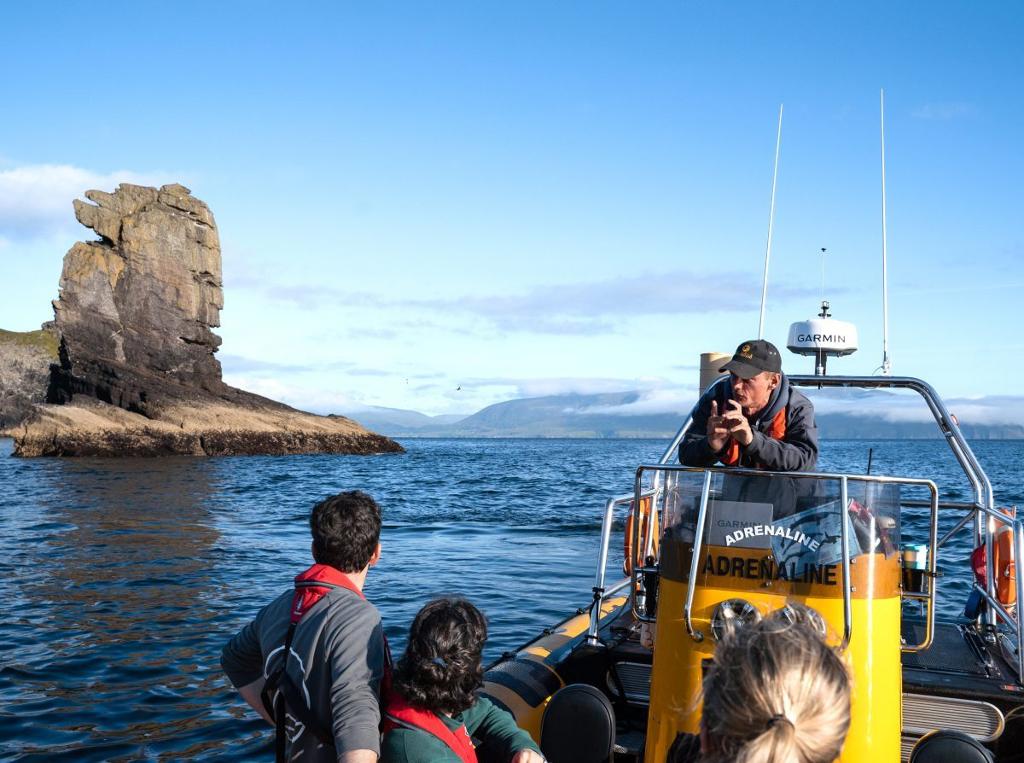
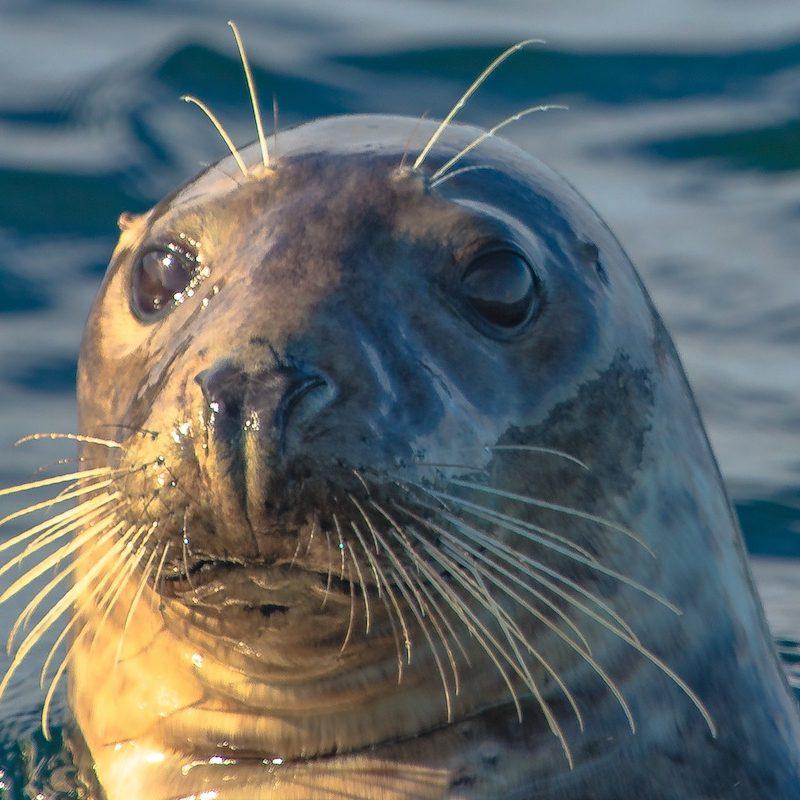
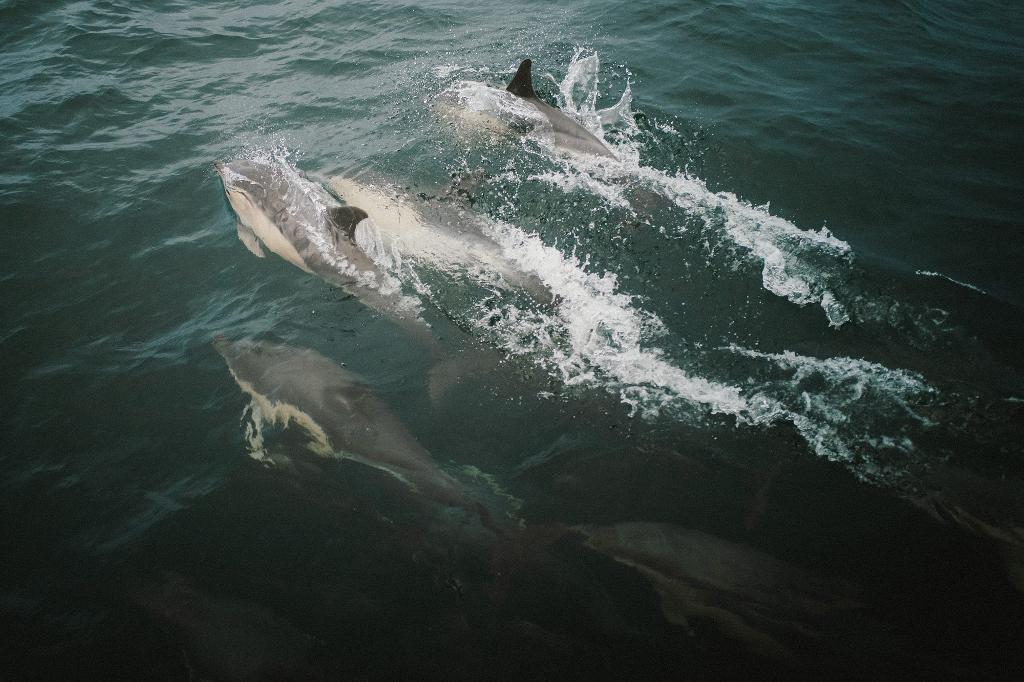
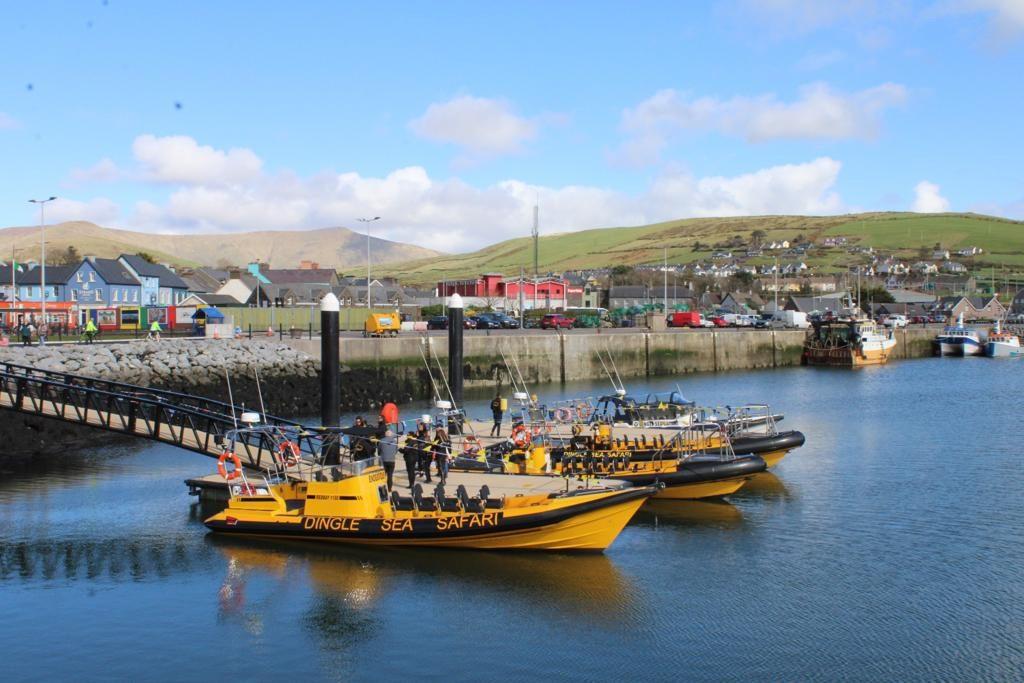
The quickest way into the Blasket colony, and the most exposed. A 2.5–3 hour RIB ride from Dingle Pier passes sea caves and the Star Wars coastline to islands where grey seals gather in one of Ireland's largest colonies; dolphins are seen year-round. Waterproofs are provided and boats carry at most twelve.
- Best time
- Seals stay at the Blaskets year-round, including through winter.
- Tip
- Minimum height 132 cm and a minimum of six passengers per departure; the office is in the Tourist Offices Centre on Strand Street, and early tours check in 30 minutes before.
Practical tips
- Boat trips run on tides and weather rather than clocks: Westport and Donegal Bay sail to timetables posted day by day, and trips cancelled for sea conditions are refunded or rescheduled.
- Time shore watching to low water — the seals at Kilmurvey and on the rocks below Mizen Head are only up and visible when the tide is out.
- Keep to the clifftop at breeding sites: the coves at Lime Kiln Bay are closed when pups are present, dogs must stay on a lead, and no view is worth disturbing a pup.
- Bring binoculars and a windproof layer. The best vantage points — Dunquin's clifftop, Mizen's headland, Howth's cliff path — offer no shelter, no shop and no water.
- Book ahead in summer: Dingle Sea Safari needs a minimum of six passengers per departure, and Garinish Island's boat fare is charged separately from island admission.
- Most shore sites cost nothing. The paid options are Mizen Head's signal station, where tickets are desk-sales only, and the boat trips themselves.
Frequently asked questions
Where can I see seals in Ireland?
The most reliable sightings come by boat: a colony of around 400 seals in Clew Bay near Westport, a 200-strong colony on Seal Island in Donegal Bay, and the Blasket colonies off West Kerry. On land, seals haul out off Kilmurvey on Inis Mór, at Lime Kiln Bay in County Wicklow and on the rocks below Mizen Head in West Cork.
What time of year is best for seal watching in Ireland?
It depends on the colony. New pups are visible in Clew Bay in June, July and August, and around Garinish Island in June and July. Grey seal pups are born below Mizen Head between September and early November, and seals use the Wicklow coves from August to April.
Do you need to take a boat to watch seals?
No. Seals haul out on rocks at low tide off Kilmurvey Beach on Inis Mór, at Lime Kiln Bay below the Glen Beach cliff walk in County Wicklow, and beneath Mizen Head's footbridge. Curracloe's Raven Nature Reserve loop is another shore option, with seals offshore.
Are seal-watching trips suitable for young children?
Most are. The Donegal Bay waterbus and Westport's cruise are wheelchair accessible and carry families, and Kilmurvey's haul-outs are watched from the beach. Dolphin Boat Tours recommends its Blasket trip for age 10 and over, and its four-hour wildlife tour for 12 and over; Dingle Sea Safari sets a 132 cm minimum height.
How close can you get to seals in Ireland?
On the water quite close: Westport's cruise sails within metres of the Clew Bay colony, and Dingle Sea Safari's RIB reaches the Blasket islands where the seals gather. On shore, stay up on the clifftop — the coves at Lime Kiln Bay are closed when pups are present, and dogs must be kept on a lead.