Best Places to Watch Puffins in Ireland
7 places · Updated July 2026
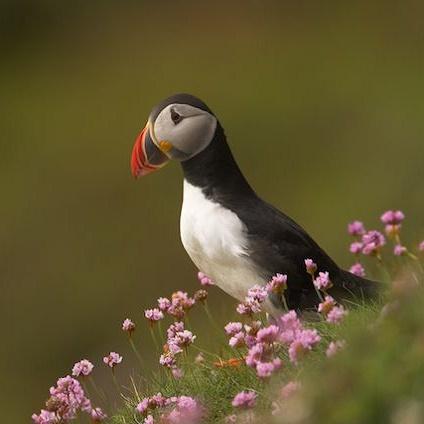
Ireland's Atlantic coastline hosts thousands of Atlantic puffins each breeding season, and you can see them at seven distinct locations from Kerry to Donegal — on remote islands, from clifftop paths, and aboard boat tours. The window is short: puffins arrive in late March and are mostly gone by early August, with May and June offering the most reliable viewing. This page covers only places whose stored guides confirm puffin presence — not every seabird cliff makes the cut. Whether you want a free clifftop walk, a family-friendly visitor centre, or the unforgettable boat landing on Skellig Michael, there is a spot here for every level of ambition and budget.
Skellig Coast, Co. Kerry
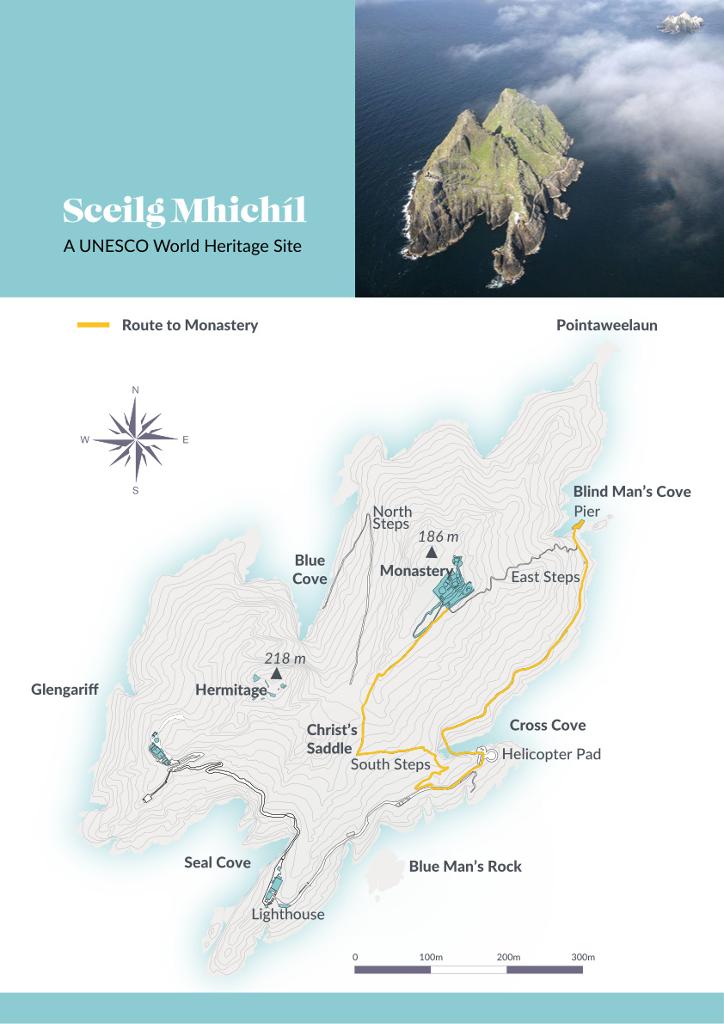
1.Mainistir Fhionáin
The ultimate puffin pilgrimage
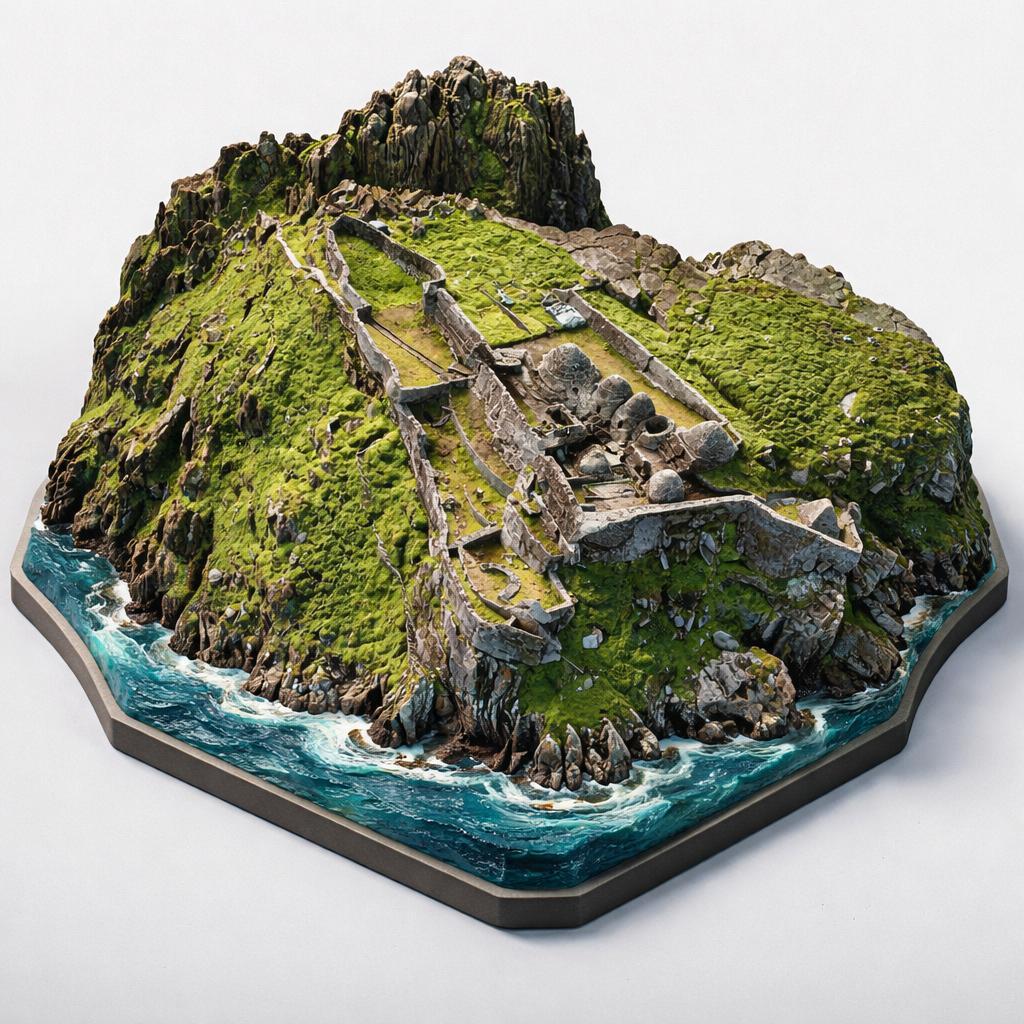
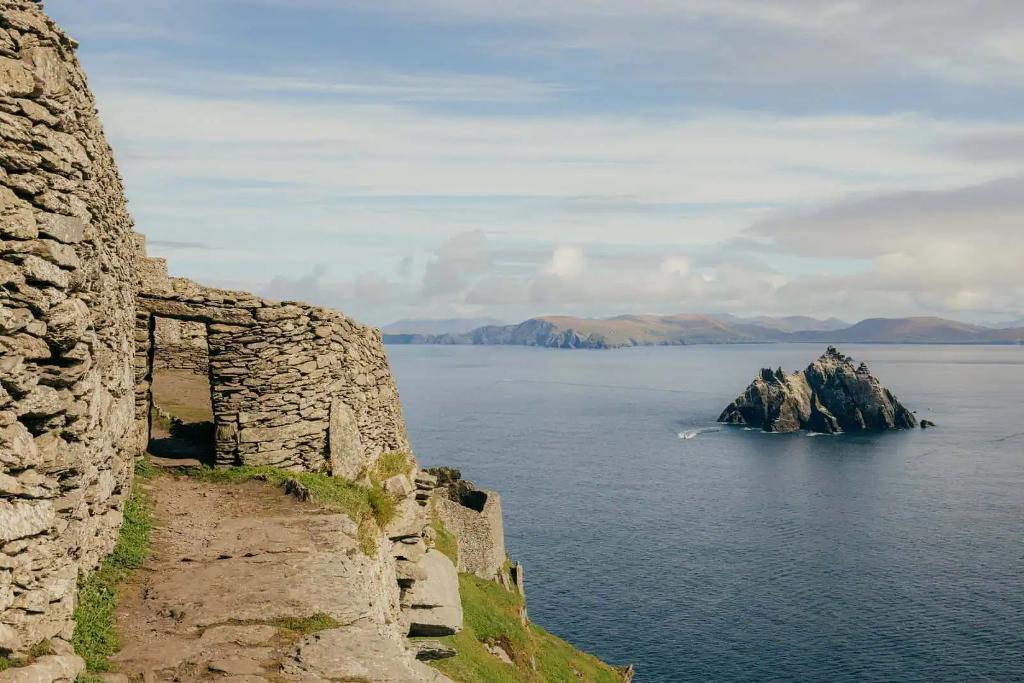
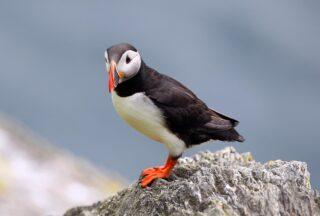
Atlantic puffins nest on the upper slopes of this UNESCO World Heritage island from late March to early August. Reaching them requires a permitted boat landing tour and a climb of 618 steep, uneven stone steps — but the reward is puffins at close range on one of the most dramatic monastic sites in Europe. Little Skellig, visible on the crossing, hosts the world's second-largest gannet colony.
- Best time
- Late April to mid-July; May–June for peak puffin activity and calmer seas
- Tip
- Landing tours sell out months ahead. If you miss out, eco cruises circle both islands and still deliver puffin sightings from the water.

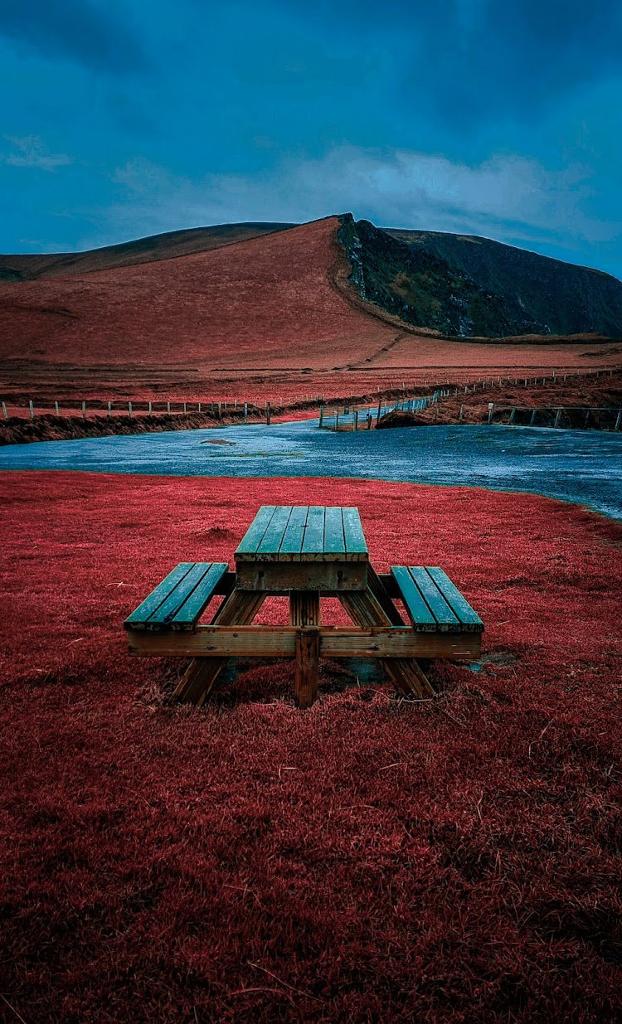

2.Kerry Cliffs (Aillte Chiarraí)
Puffin Island from the mainland — no boat needed
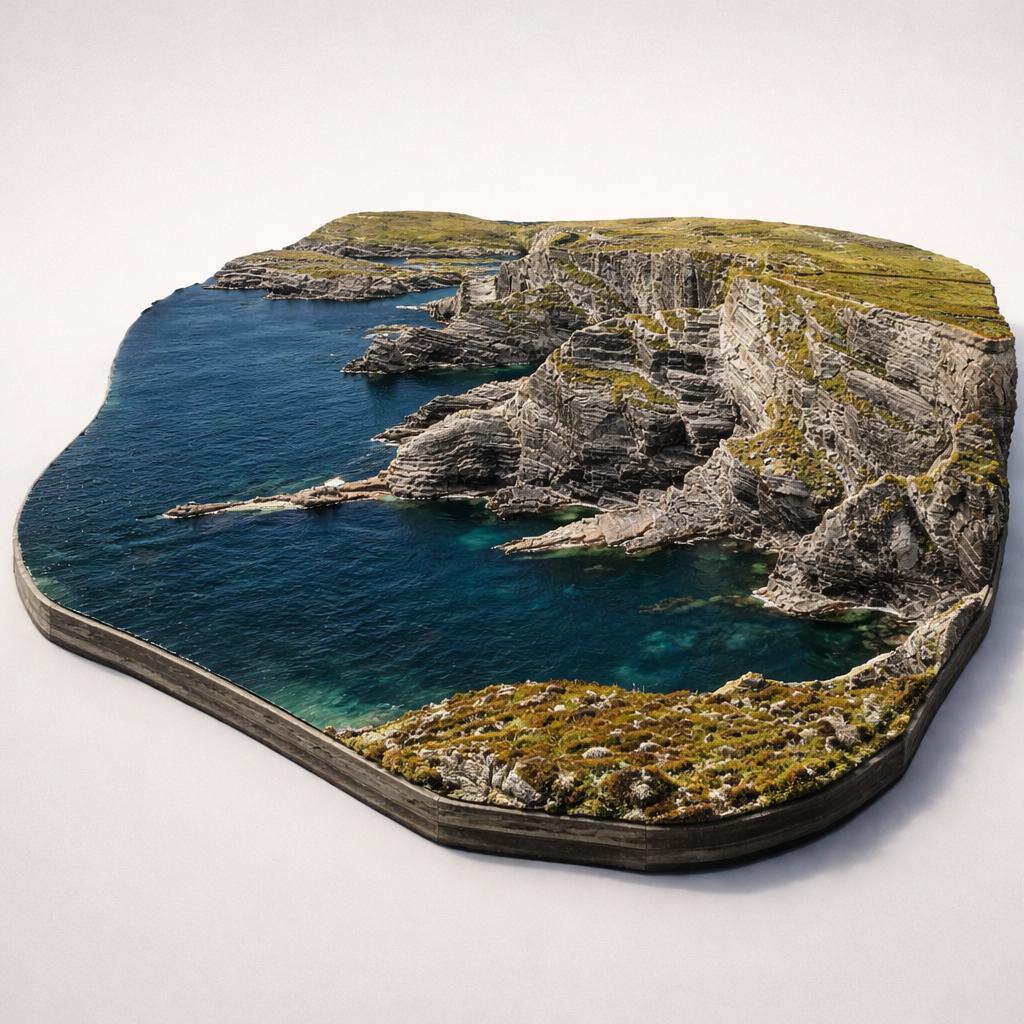
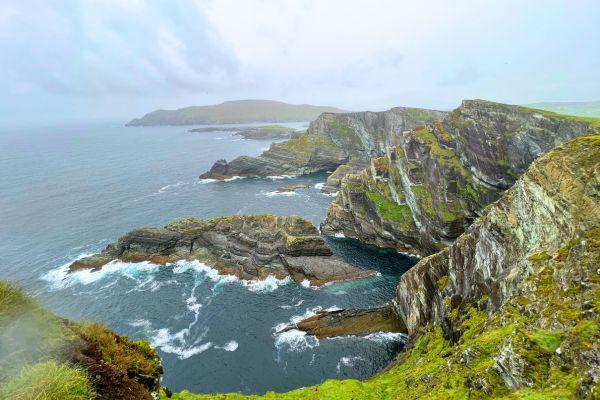
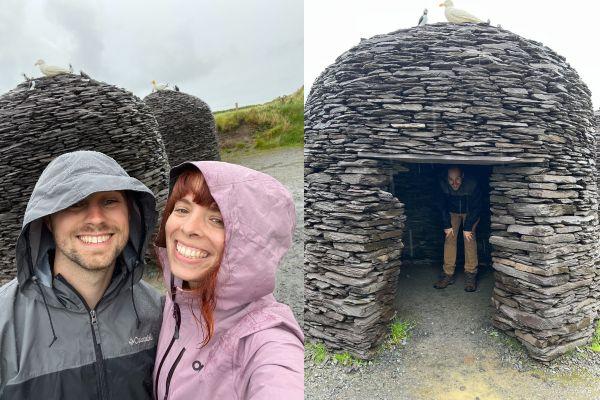
The closest land-based viewpoint for Puffin Island itself, these 300-metre cliffs rise over 1,000 feet above the Atlantic. A 10-minute walk on gravel leads to two fenced viewing platforms where you can scan Puffin Island, Skellig Michael, and Little Skellig with binoculars. Puffins, razorbills, guillemots, and gannets all nest on the cliffs and island faces directly ahead.
- Best time
- April to August, with clearest Skellig views on summer mornings
- Tip
- Bring binoculars — Puffin Island sits offshore and the puffins are small dots without magnification.
Cliffs of Moher, Co. Clare


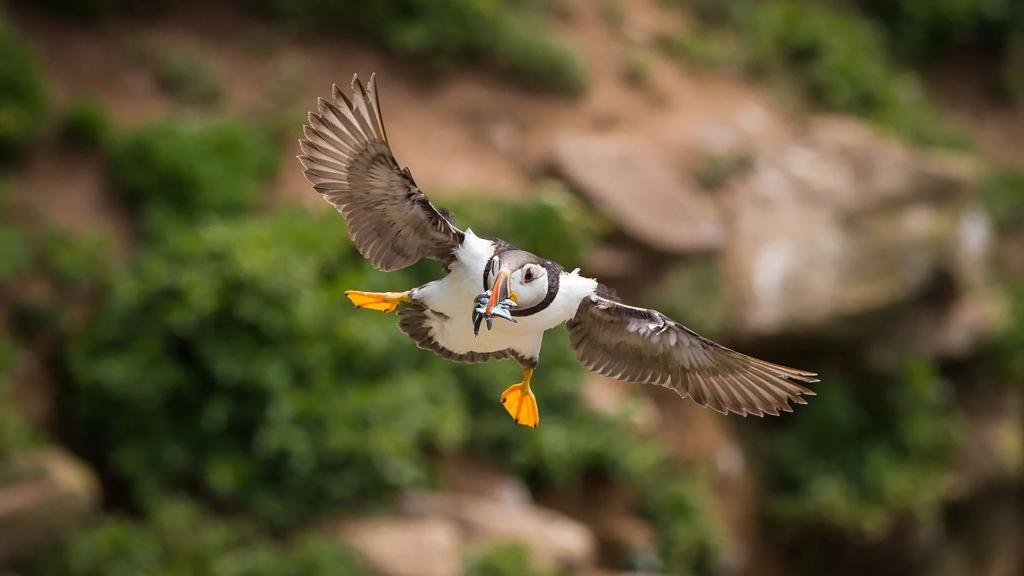
3.Cliffs of Moher
Ireland's most accessible puffin colony
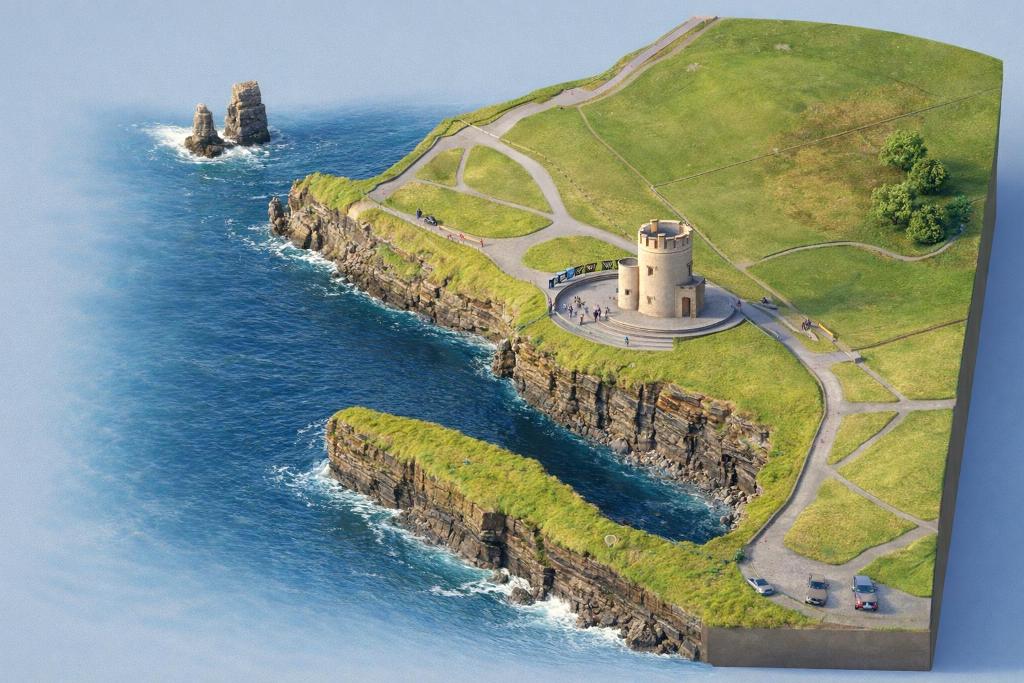
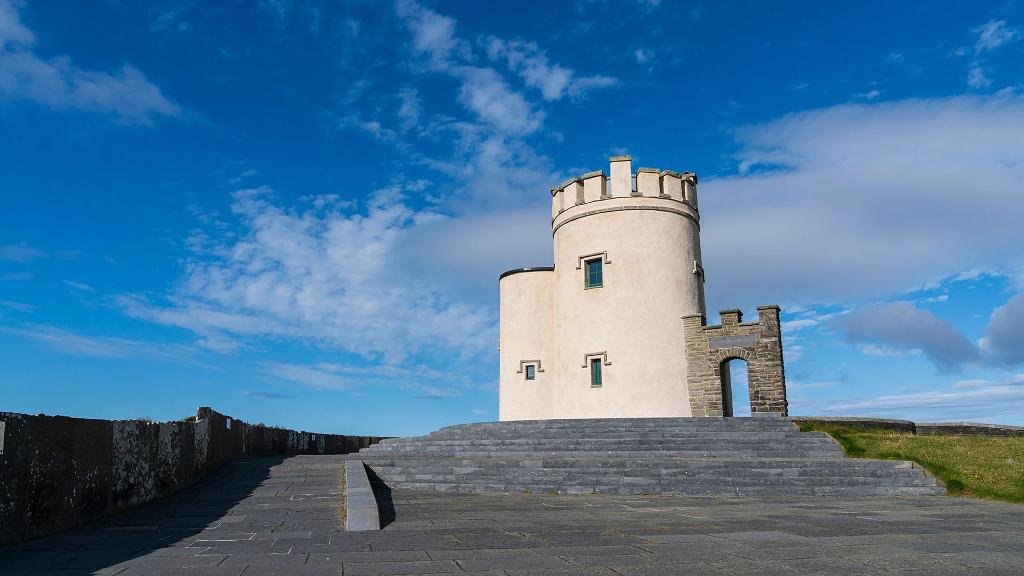
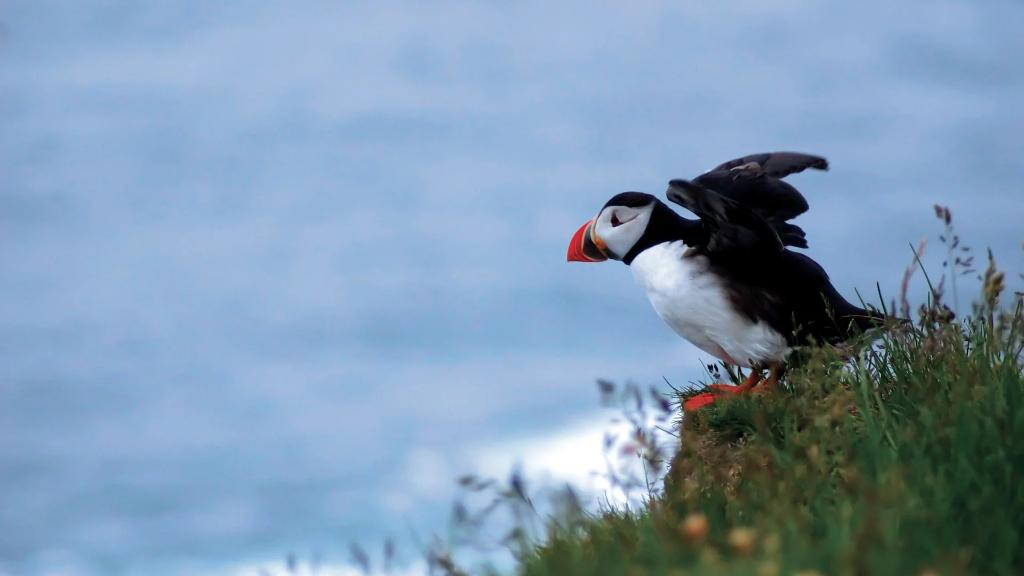
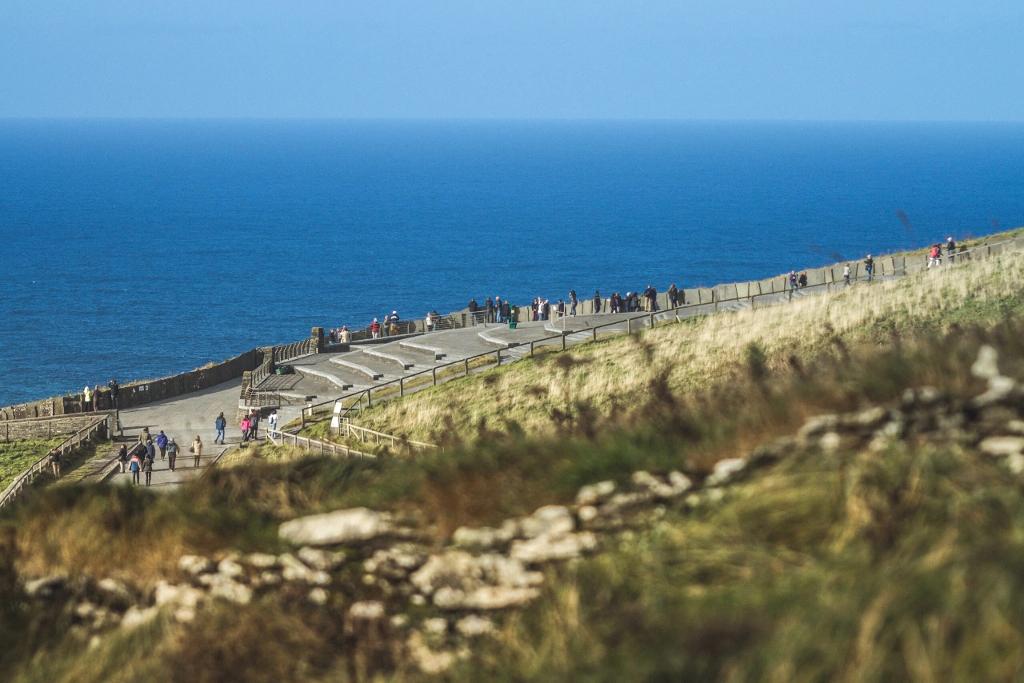
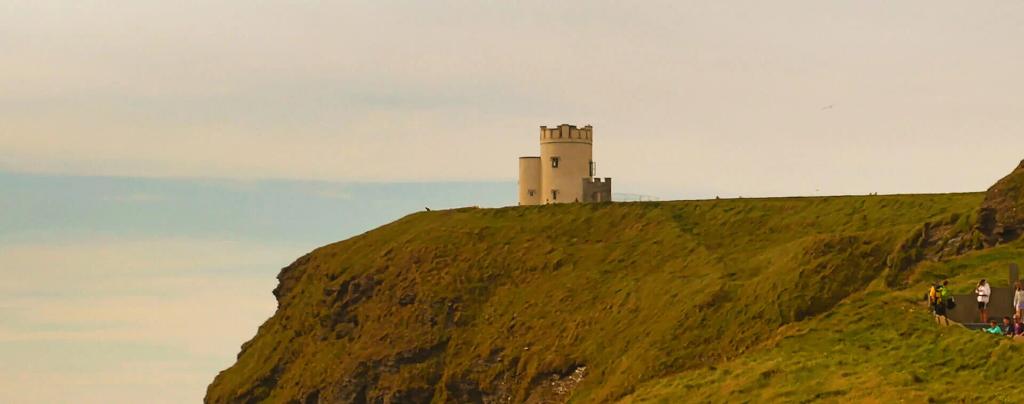
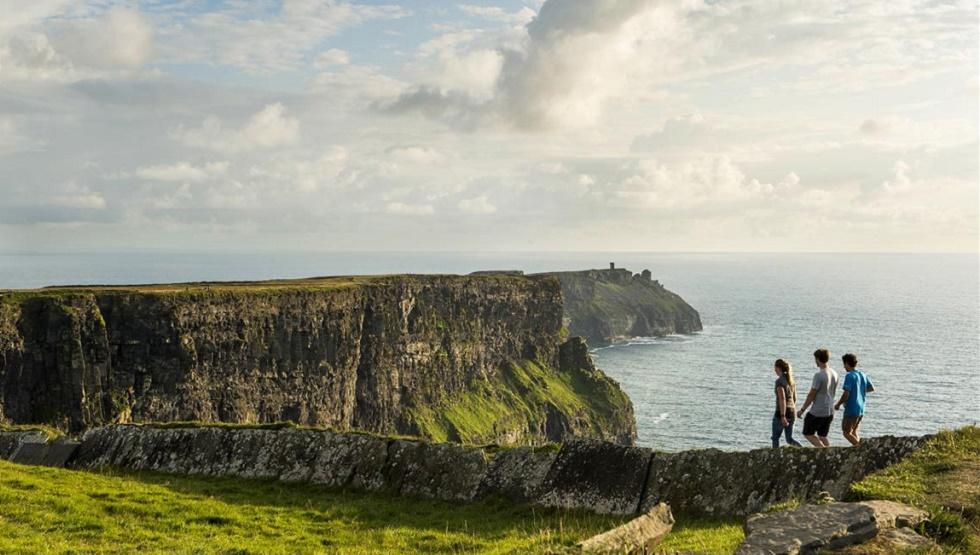
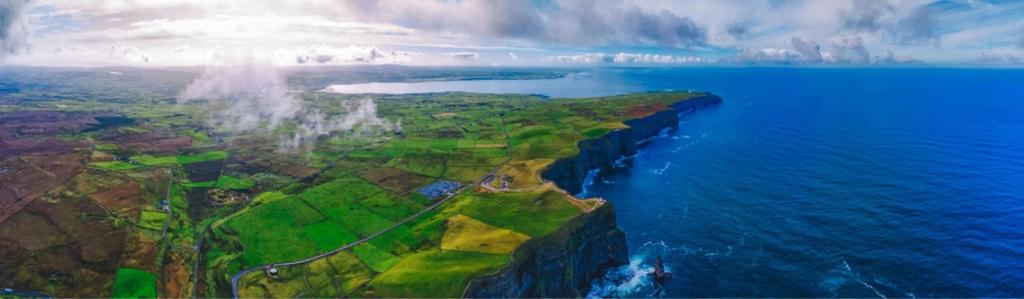
Over 30,000 pairs of seabirds nest along these 214-metre cliffs, with puffins concentrated on Goat Island — best viewed from the paved pathways north of O'Brien's Tower. The visitor centre loans free binoculars, and the paved cliff-edge paths are fully wheelchair accessible. This is the easiest puffin watch in Ireland: drive up, walk a few hundred metres, and scan the ledges.
- Best time
- May–June for puffins; arrive before 11am or after 4pm to dodge tour-coach crowds
- Tip
- Ask at the visitor centre desk for free loaner binoculars — they make spotting puffins on Goat Island far easier.

4.Cliffs of Moher Walking Trail
The free, crowd-free clifftop trail
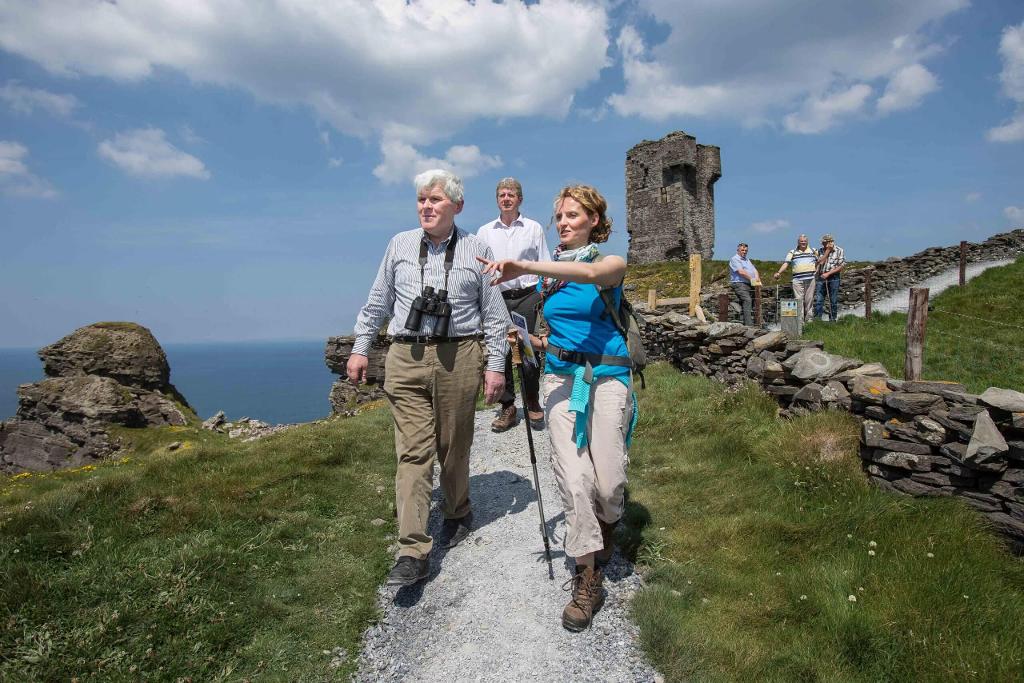
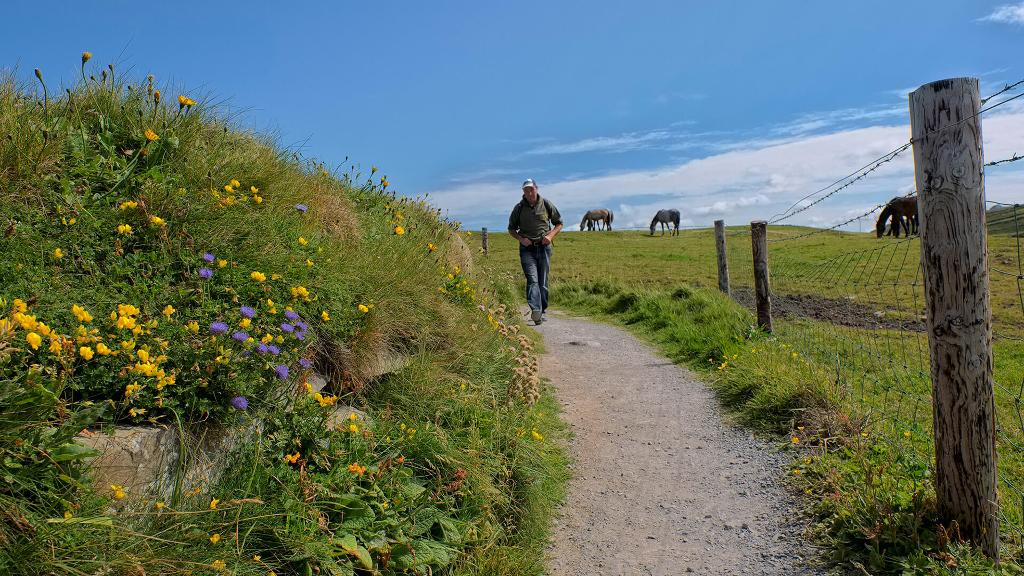
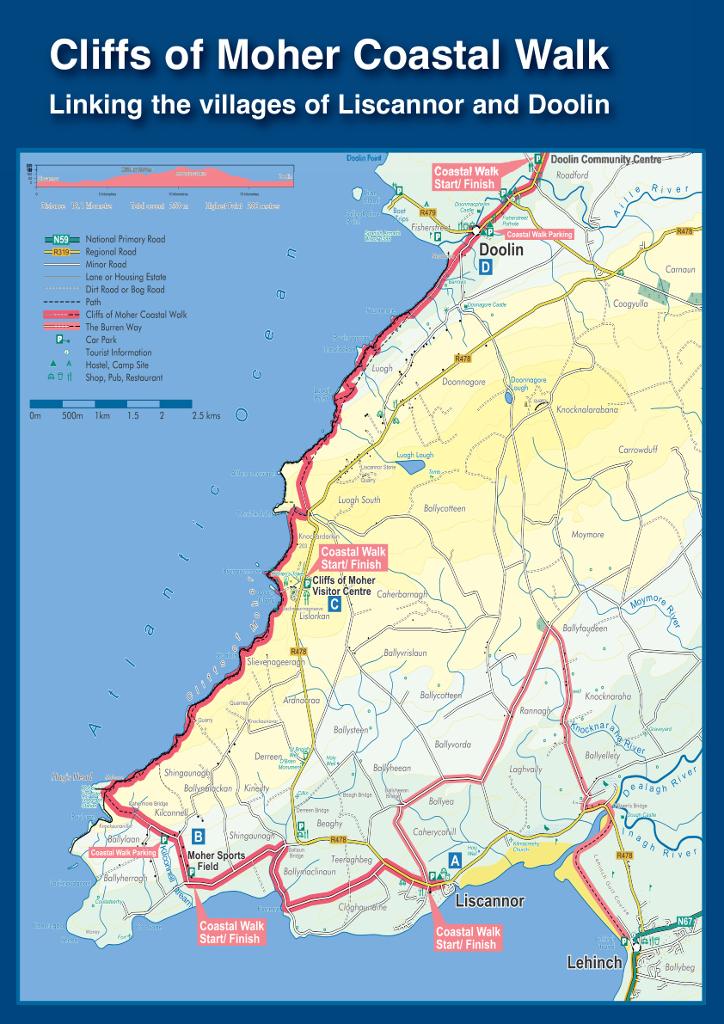
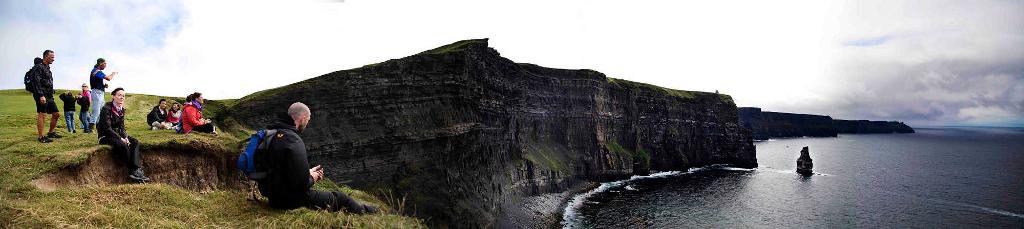
Starting from Doolin village, this self-guided trail climbs gradually from sea level to grassy cliff banks where puffins nest directly in the turf from May to June. You can currently walk roughly 1.5 km to Surfers Path before turning back — about 3 km round trip. The path is exposed and unmonitored, with no entry fee.
- Best time
- May–June, early morning before the wind picks up
- Tip
- Park at Micho Russell Community Centre in north Doolin and walk to the trailhead — on-street parking fills fast in summer.

5.Doolin Ferry
See puffins from sea level on a boat cruise
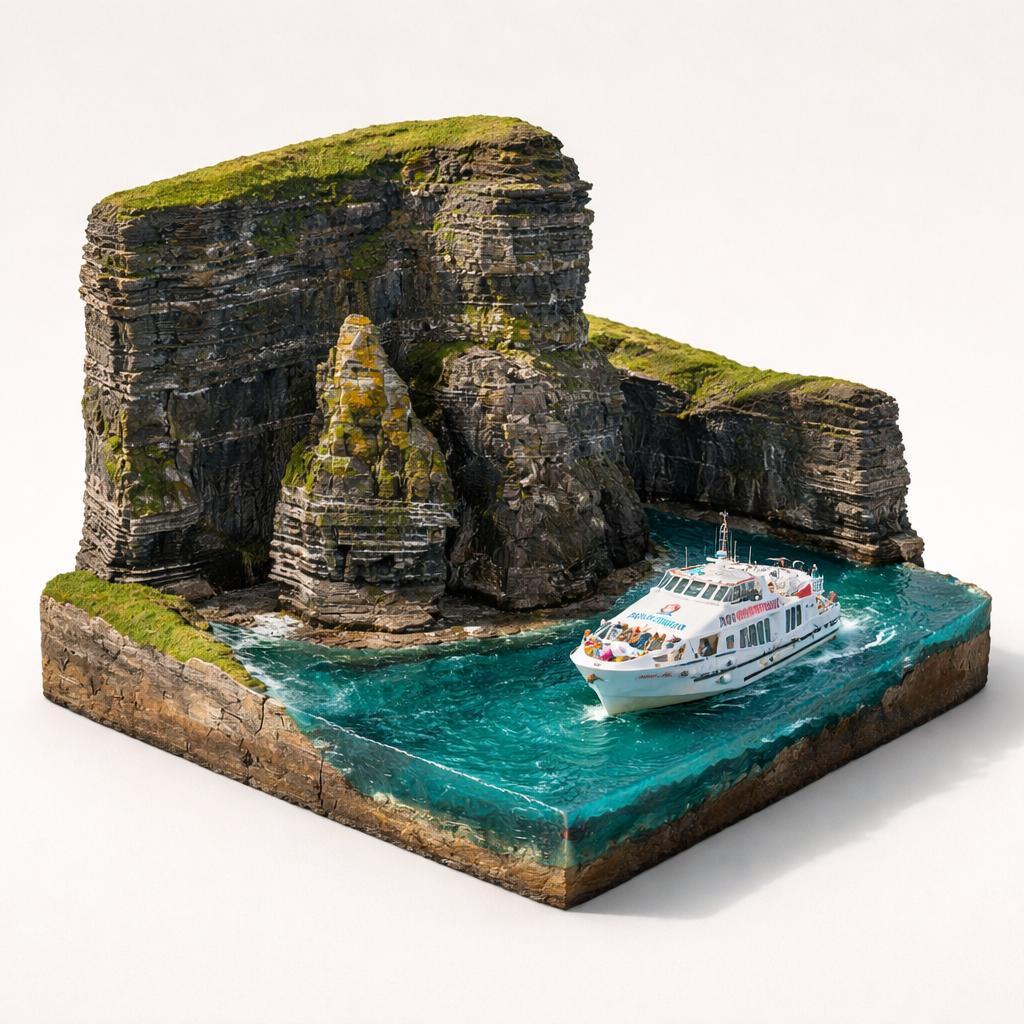
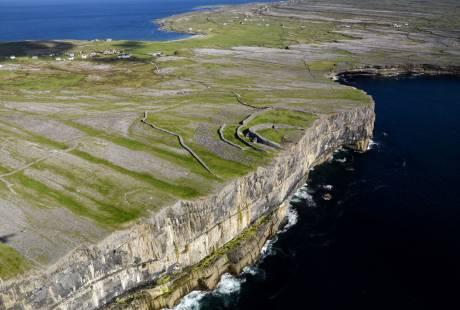
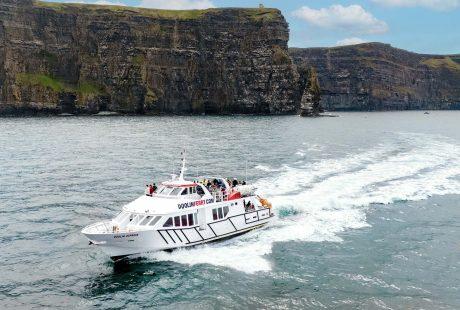
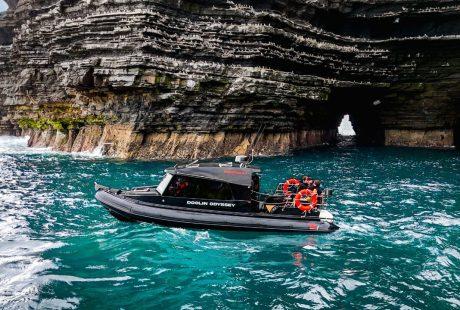
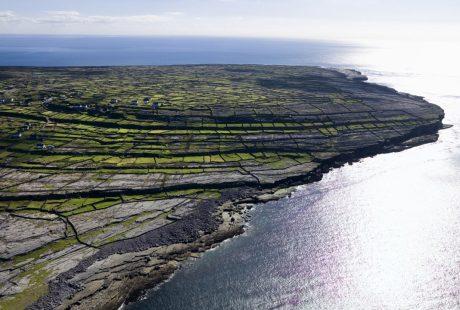
The 45–60 minute Cliffs of Moher cruise runs at eye level beneath 214-metre cliffs, with live commentary pointing out the Great Sea Stack and one of Europe's largest seabird colonies. Puffins, dolphins, and seals are all possible sightings. Combo tickets with an Aran Islands visit offer the best value, and the express fleet has indoor seating and a bar.
- Best time
- May–June for puffins on the cliff ledges; sailings run late February to November
- Tip
- Book online for up to 30% off, and take a morning sailing when seas are typically calmer.
6.Downpatrick Head
Puffins on a legendary sea stack in remote Mayo
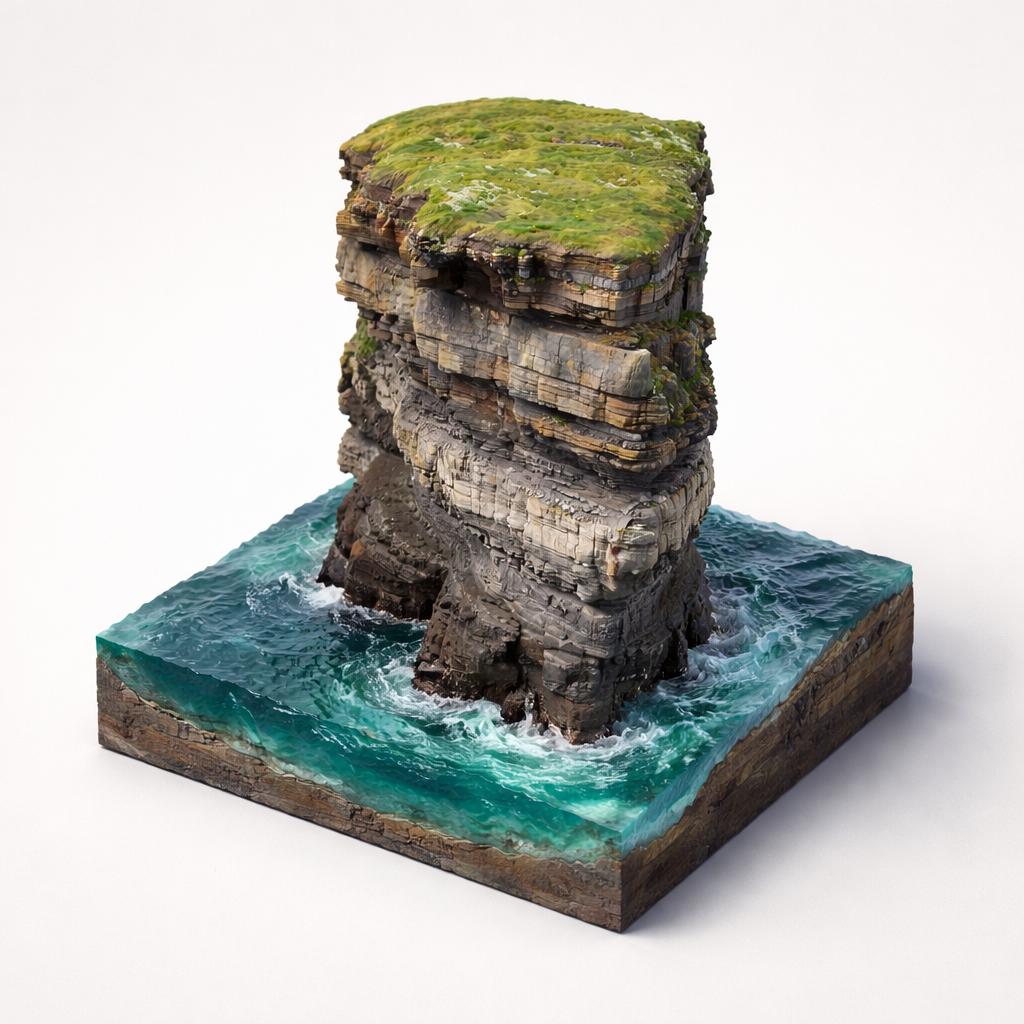
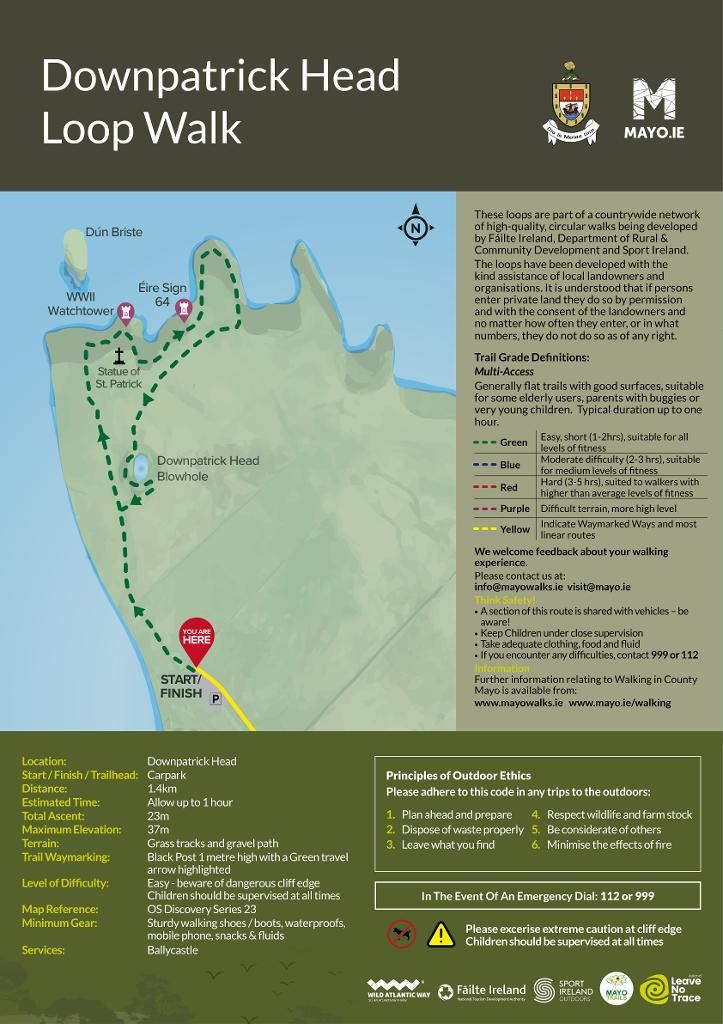
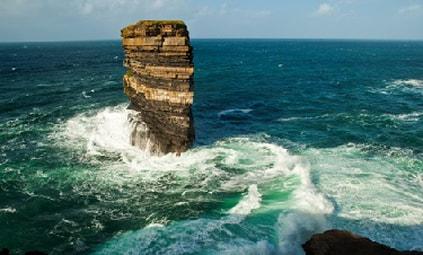
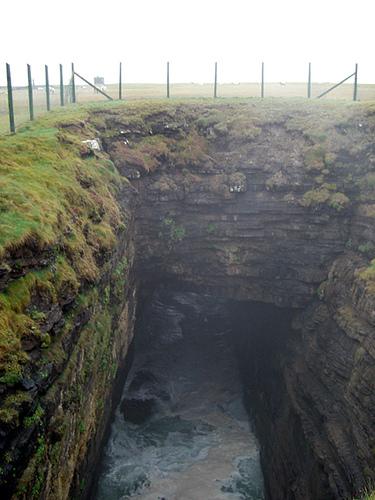
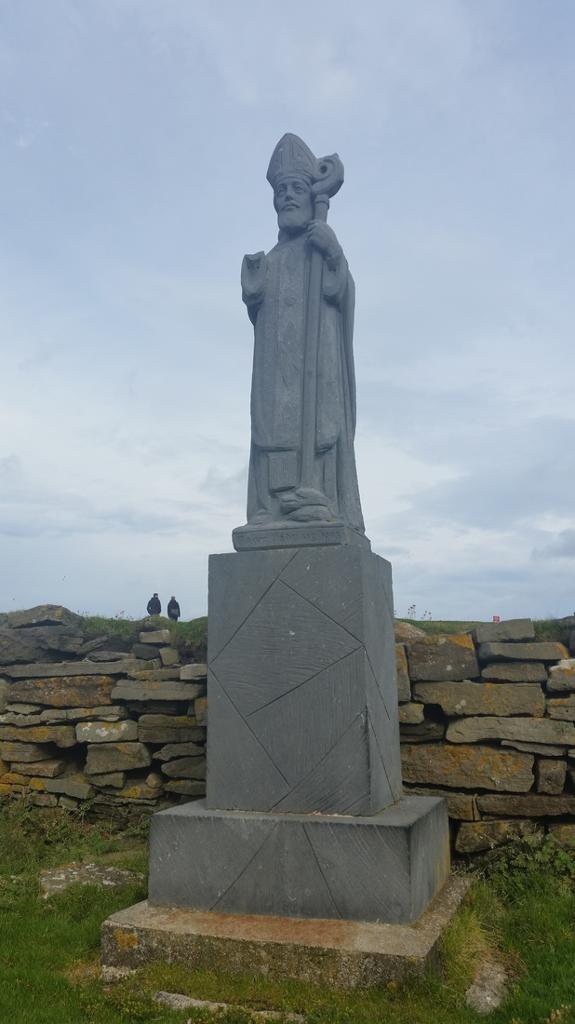
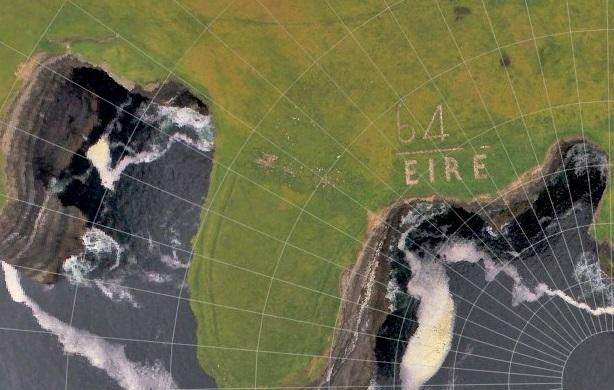
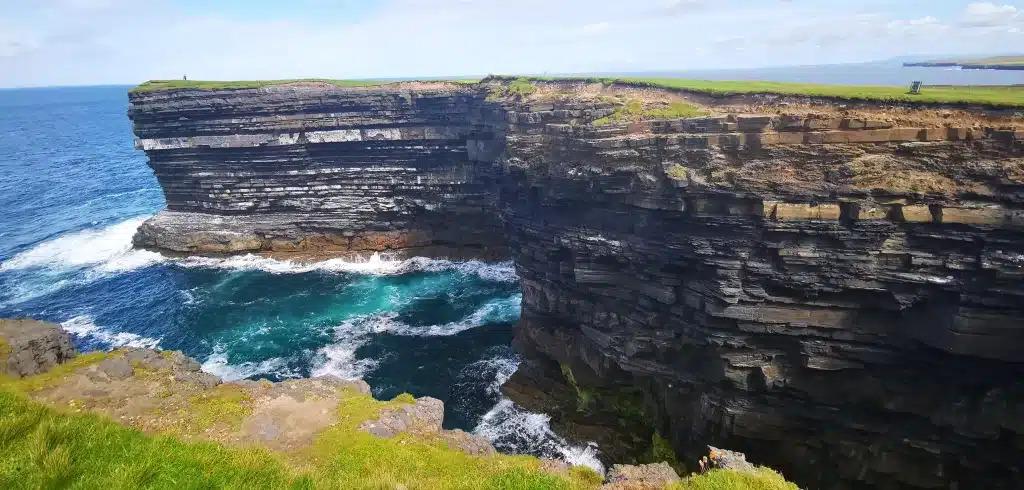
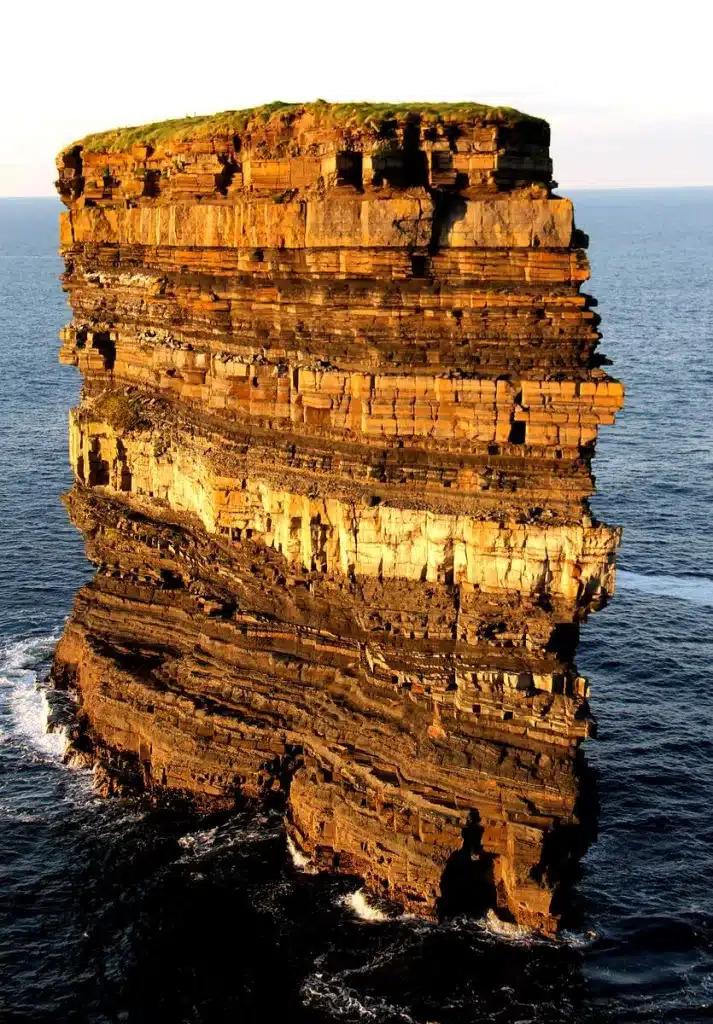
Dún Briste, a 45-metre sea stack 228 metres offshore, hosts puffins, kittiwakes, guillemots, razorbills, and cormorants on its grassy top and ledges. A 1.4 km loop walk links the stack viewpoint with a blowhole, WWII lookout post, and St Patrick's church ruins. The headland is free, unstaffed, and unfenced — wild and uncrowded even in high summer.
- Best time
- Late spring to early autumn; calm clear days only — avoid entirely during wind warnings
- Tip
- A telephoto lens helps you keep a safe distance from unfenced cliff edges while still getting close views of puffins on the stack.
7.Mizen Head Signal Station
Puffins at Ireland's most southwesterly point
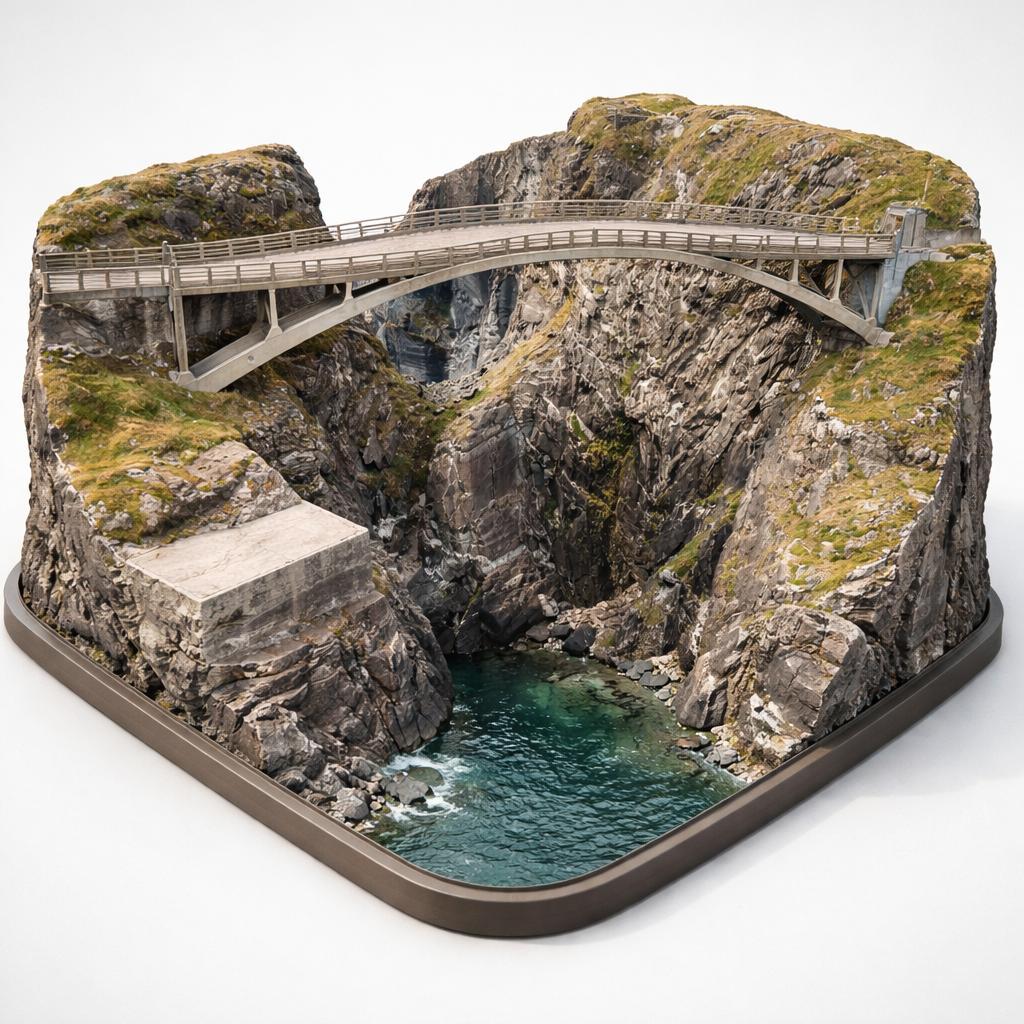
Cross an arched footbridge 45 metres above the Atlantic to reach a former signal station on Cloghane Island. From April to July, the cliffs below host gannets, kittiwakes, guillemots, choughs, and puffins — visible from the bridge itself and the cliff paths beyond. Grey seals haul out on the rocks year-round, and whale sightings are possible from June to August.
- Best time
- April–July for puffins and breeding seabirds; site open weekends only in winter
- Tip
- The paths start closing from 4:30pm in July and August — arrive by early afternoon to walk the full route.
Practical tips
- Puffins are in Ireland roughly late March to early August; May and June are the most reliable months across all sites.
- Bring binoculars or a telephoto lens — at most sites puffins nest on offshore stacks or distant cliff ledges, not at your feet.
- Check the weather before you go: clifftop sites are fully exposed and become dangerous in high winds or rain — several places advise avoiding them during Met Éireann wind warnings.
- Book Skellig Michael landing tours months ahead; eco cruises (no landing) are easier to secure and still deliver seabird views.
- Most clifftop puffin sites are free; the main Cliffs of Moher visitor centre charges €8–15 but includes parking, facilities, and free binocular loans.
Frequently asked questions
When is the best time to see puffins in Ireland?
Atlantic puffins are present along the Irish coast from late March to early August. May and June are peak months — this is when they are actively nesting and most visible on cliff ledges and grassy banks. By August most puffins have departed for open ocean. Early morning visits typically offer calmer winds and better viewing conditions at exposed clifftop sites.
Do I need a boat to see puffins in Ireland?
No. Several land-based sites offer good puffin viewing, including Kerry Cliffs (€5, closest mainland view of Puffin Island), the Cliffs of Moher (paved paths, free binocular loans), and Downpatrick Head in Mayo (free, unfenced). That said, the closest and most dramatic encounters — particularly on Skellig Michael — require a boat.
Which site is best for families with children?
The Cliffs of Moher visitor centre is the most family-ready: fully paved and wheelchair-accessible paths, toilets, cafés, a 4D cinema experience, and free binoculars from the desk. Kerry Cliffs is also family-friendly with a short gravel walk, alpacas and donkeys in a paddock, and picnic tables. Skellig Michael is not suitable for children under 12, who are not permitted on landing tours.
Are there puffins in Northern Ireland or on the east coast?
Our current coverage focuses on the Republic of Ireland's west and south coasts, where Atlantic puffin colonies are concentrated. Rathlin Island (Northern Ireland) and the Saltee Islands (Co. Wexford) are known puffin sites but are not yet covered in our guides. All seven verified spots on this page lie along the Atlantic seaboard from Cork to Mayo.
How close can I get to the puffins?
That depends on the site. On Skellig Michael, puffins nest on the upper slopes and can be seen at close range as you climb the monastic steps. At mainland cliff sites like Kerry Cliffs and the Cliffs of Moher, puffins are typically on offshore islands or distant ledges — you will need binoculars. At Downpatrick Head, puffins nest on the sea stack Dún Briste, 228 metres offshore; a telephoto lens helps.