Natural Wonders in Co. Kerry
5 places
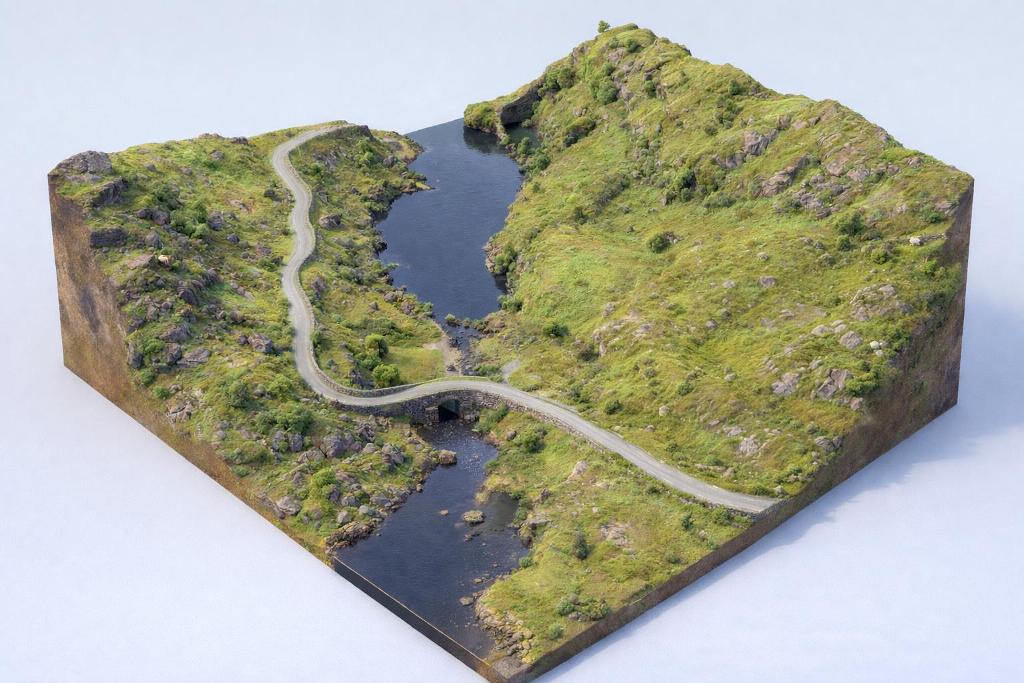
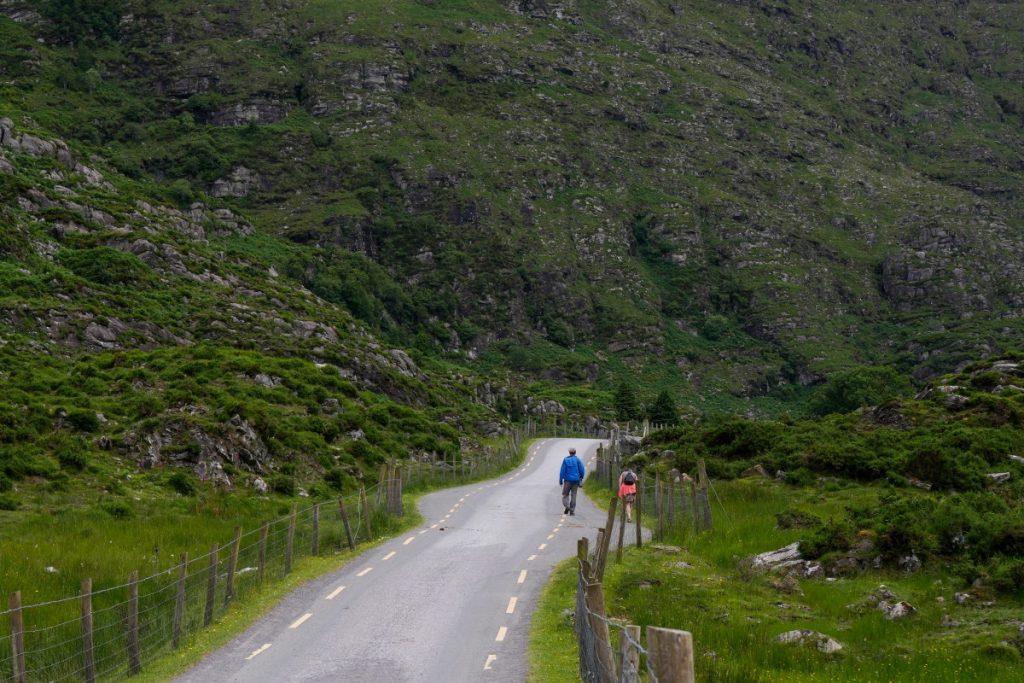
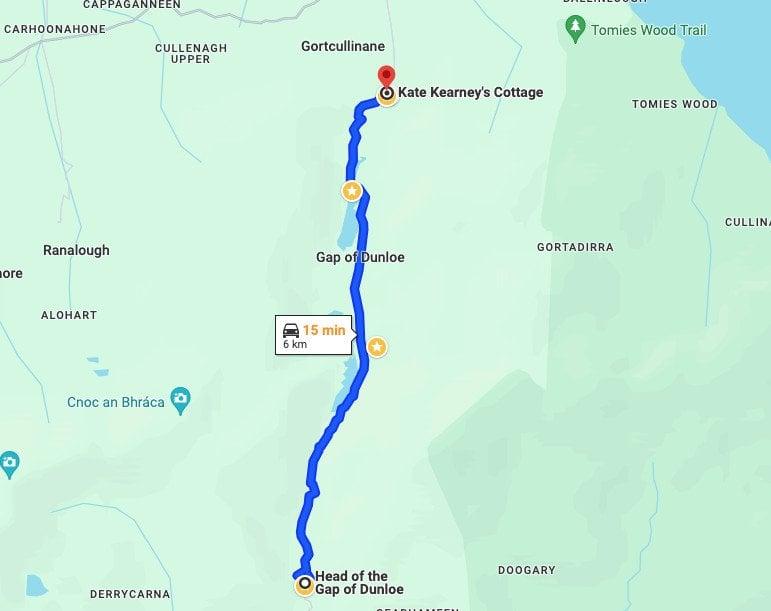
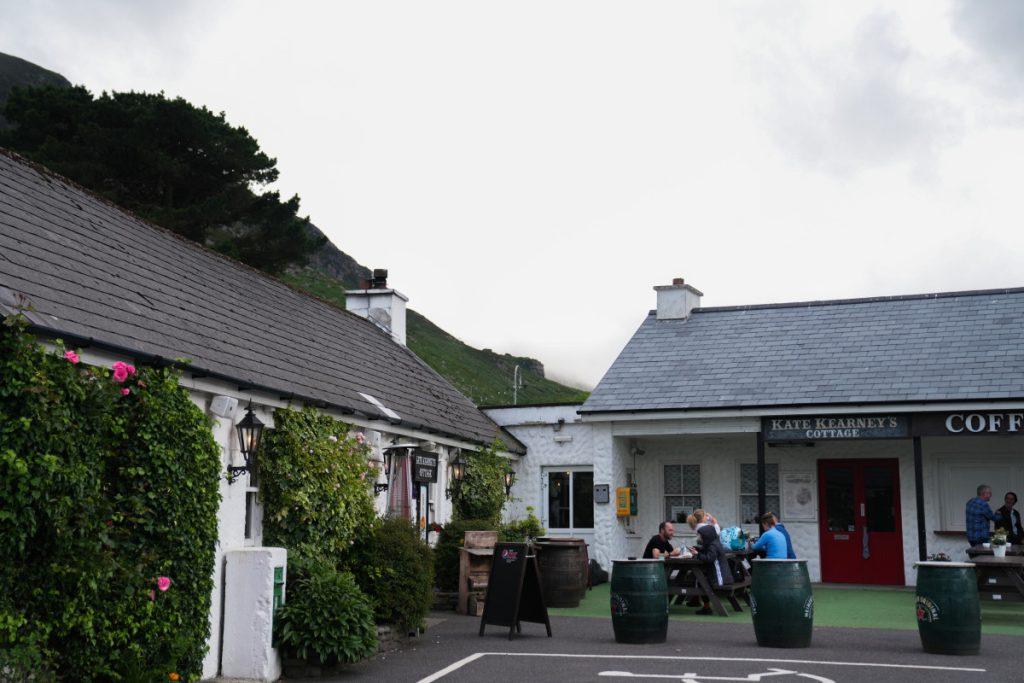
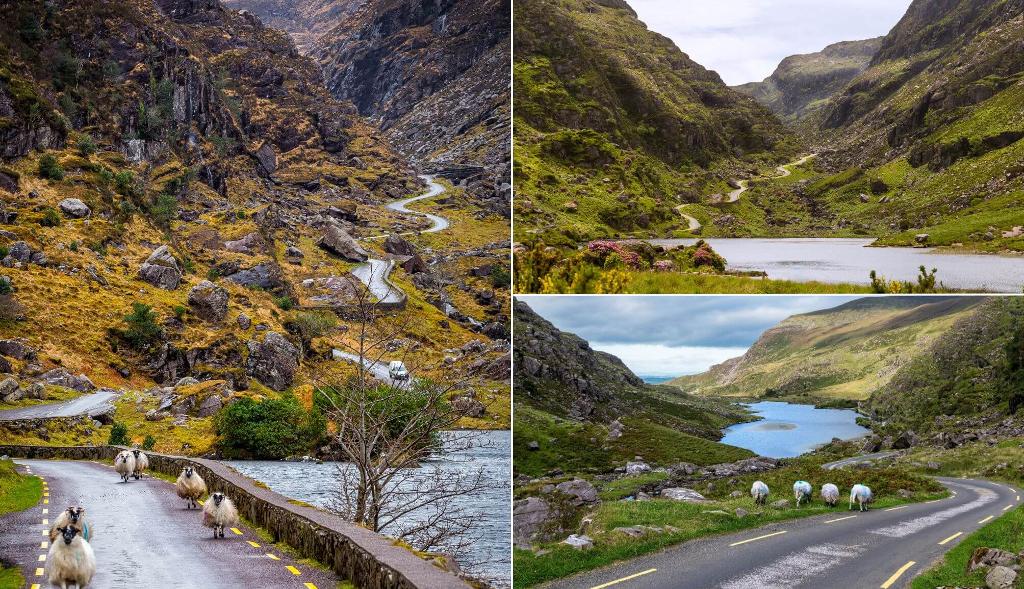
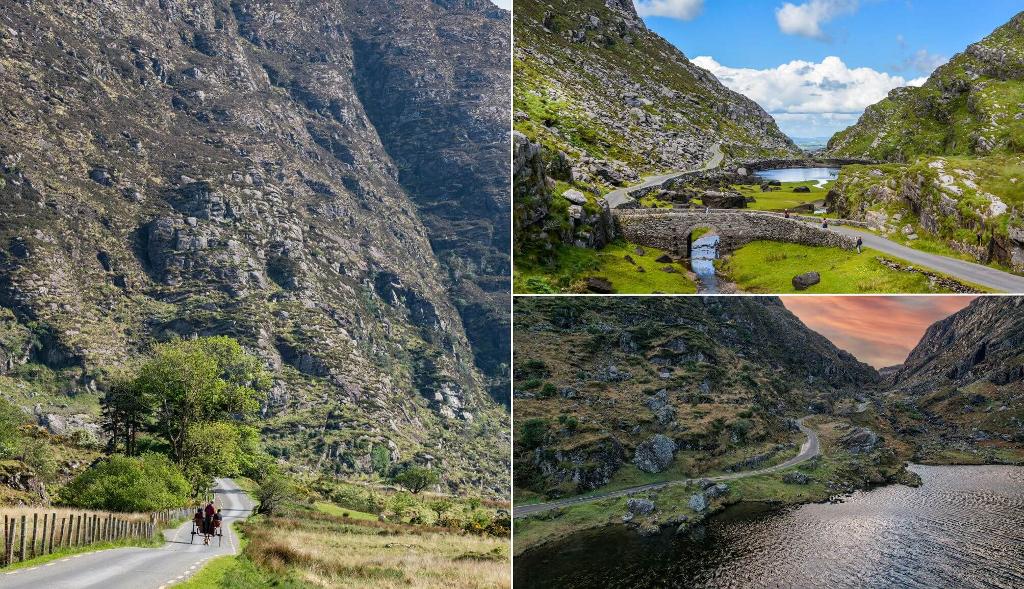
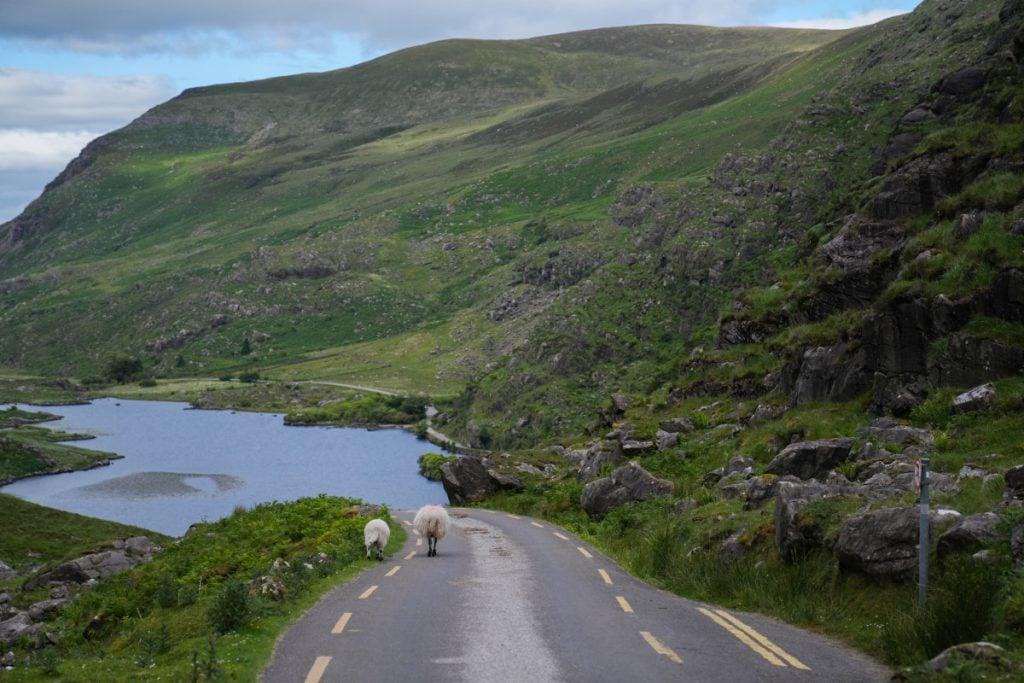
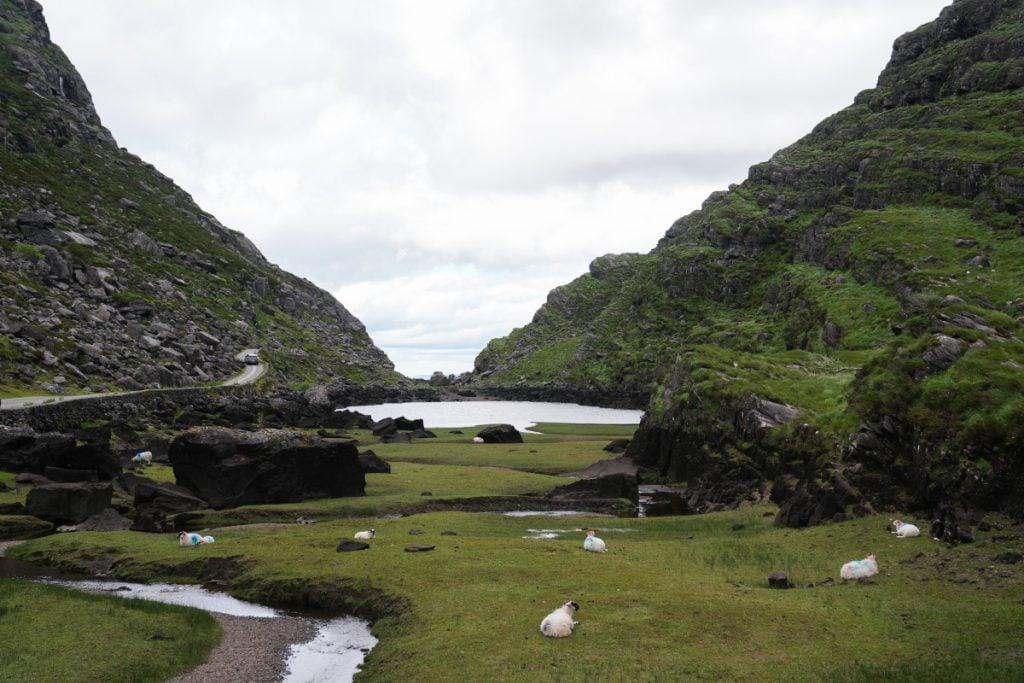
1.Gap of Dunloe
A glacier-carved pass best seen by jaunting car
A glacier-carved mountain pass between the MacGillycuddy Reeks and Purple Mountain, best seen on foot, by bike or in a horse-drawn jaunting car, then by boat back across the Lakes of Killarney.
- Highlights
- 12 km glacial pass between the MacGillycuddy Reeks and Purple Mountain
- Horse-drawn jaunting cars: €35 per person or €140 per private cart
- Open-boat crossing of the Lakes of Killarney to Ross Castle


2.Kerry Cliffs (Aillte Chiarraí)
1,000ft cliffs with the best view of Skellig Michael
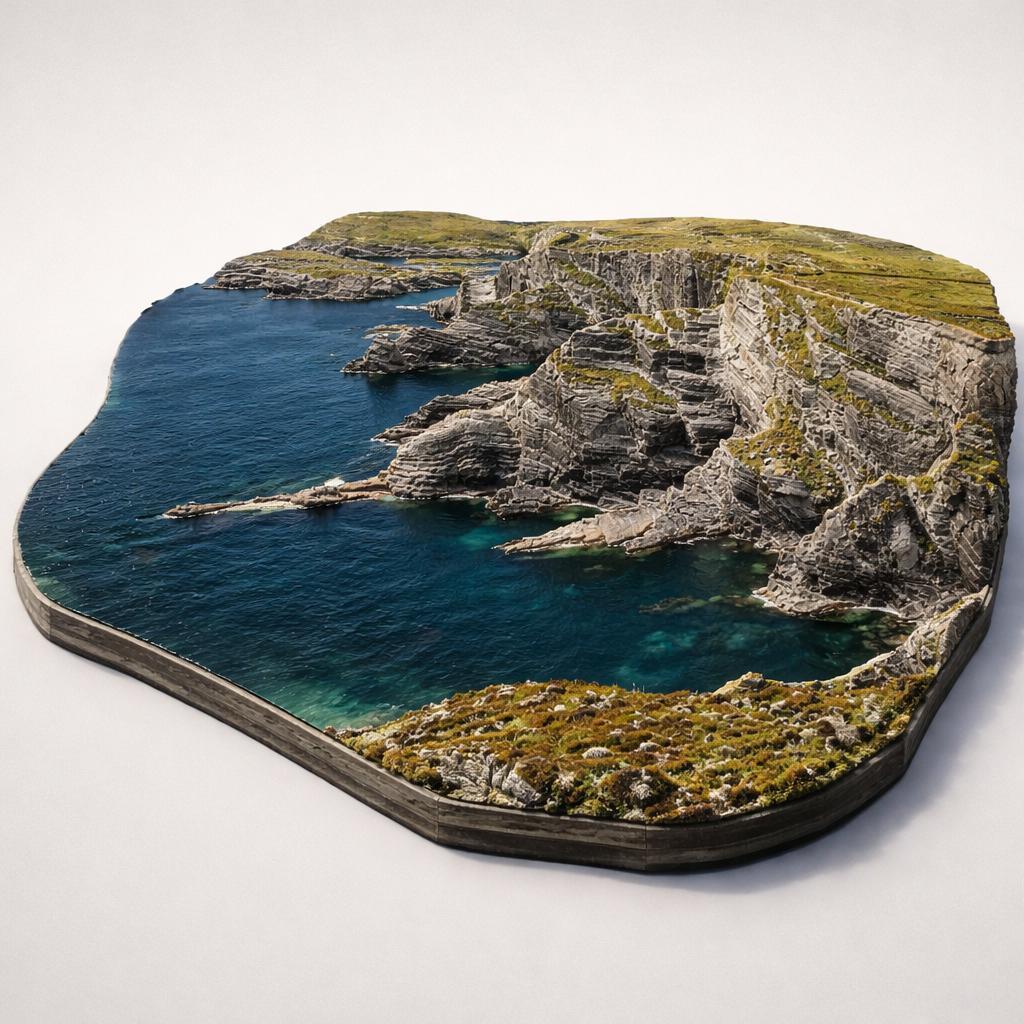
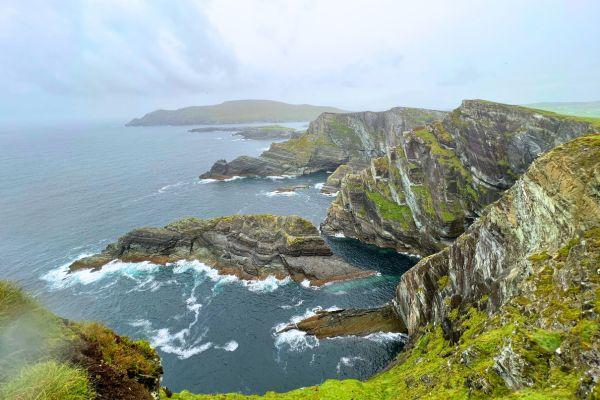
Kerry Cliffs drop more than 1,000 ft into the Atlantic on the Skellig Ring near Portmagee, and they are the closest land viewpoint to Skellig Michael and Puffin Island. The rock was formed in a desert 400 million years ago; the view now reaches 30 miles.
- Highlights
- Over 1,000 ft above the wild Atlantic
- Closest viewing point to Skellig Michael and Puffin Island
- Views stretching 30 miles
- Facilities
- Good for kids · Restrooms · Wheelchair access
3.Torc Waterfall
A 20 m cascade five minutes from the car park
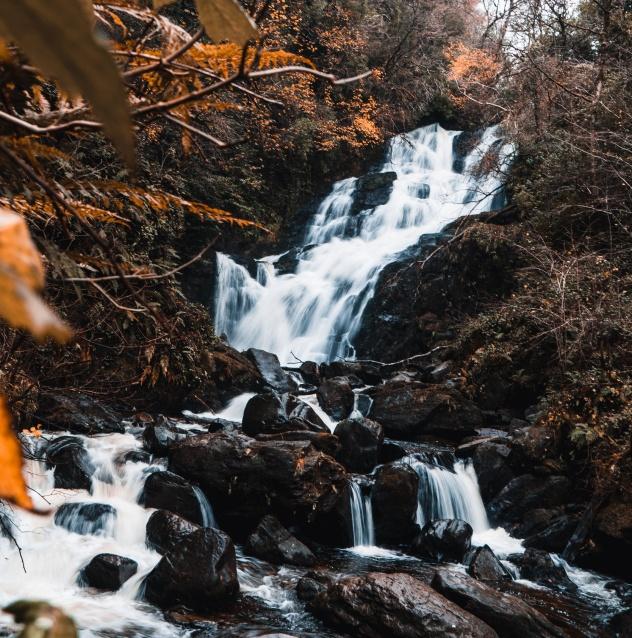
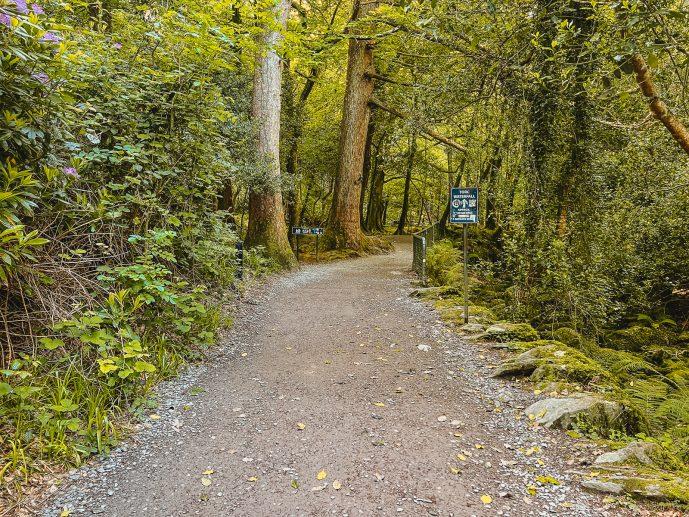
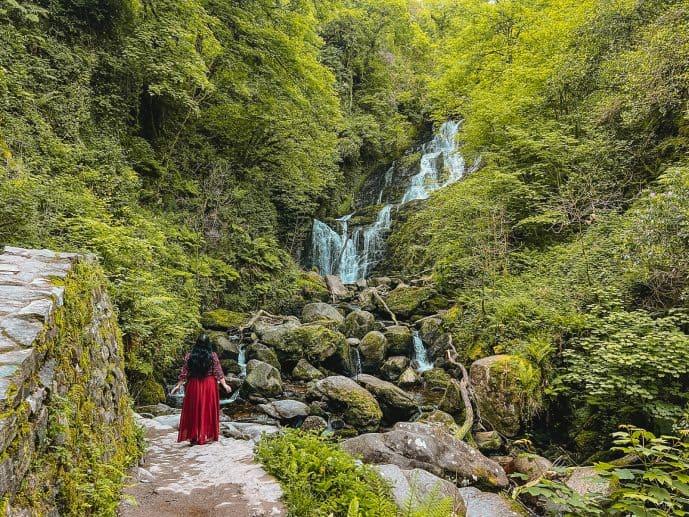
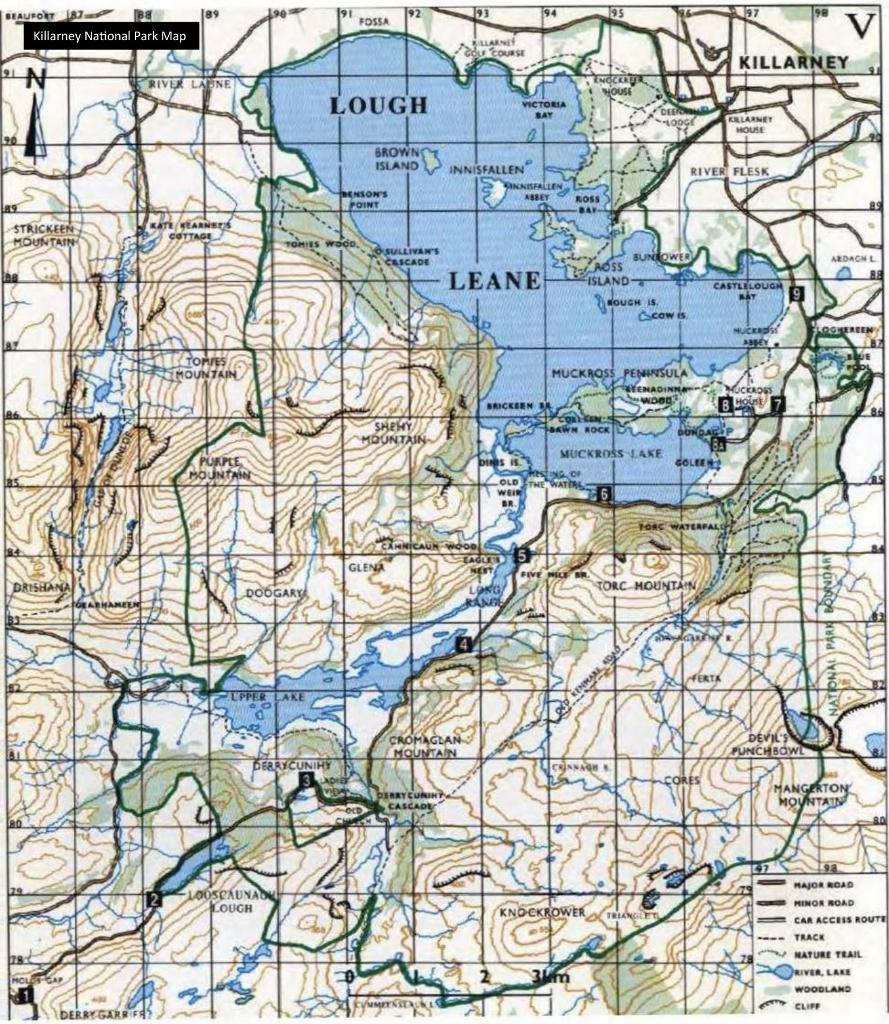
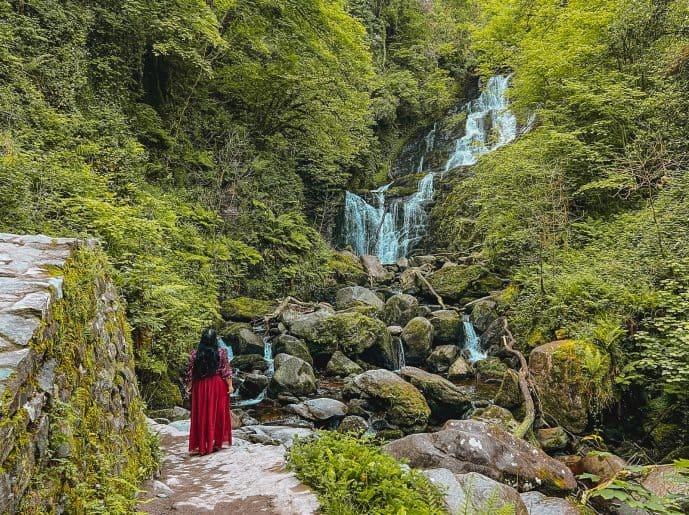
Torc Waterfall is a 20-metre cascade in a mossy oakwood gorge at the foot of Torc Mountain, reached by a five-minute walk from the N71 car park — one of the most accessible spectacles in Killarney National Park.
- Highlights
- 20 m (66 ft) cascade on the Owengarriff River
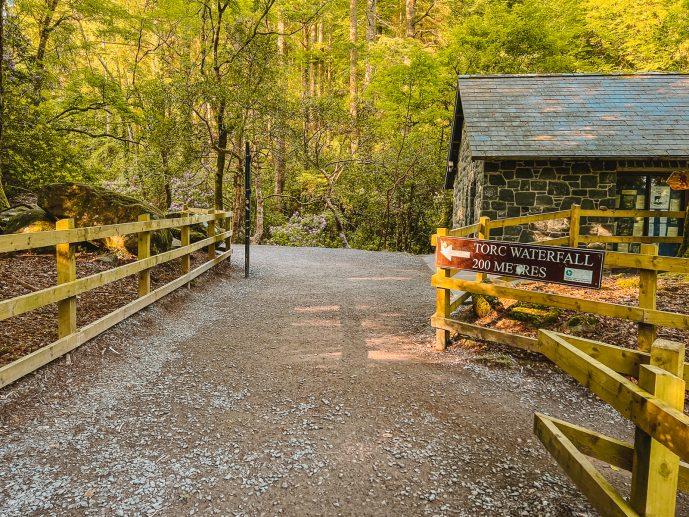
- Five-minute walk from the lower car park
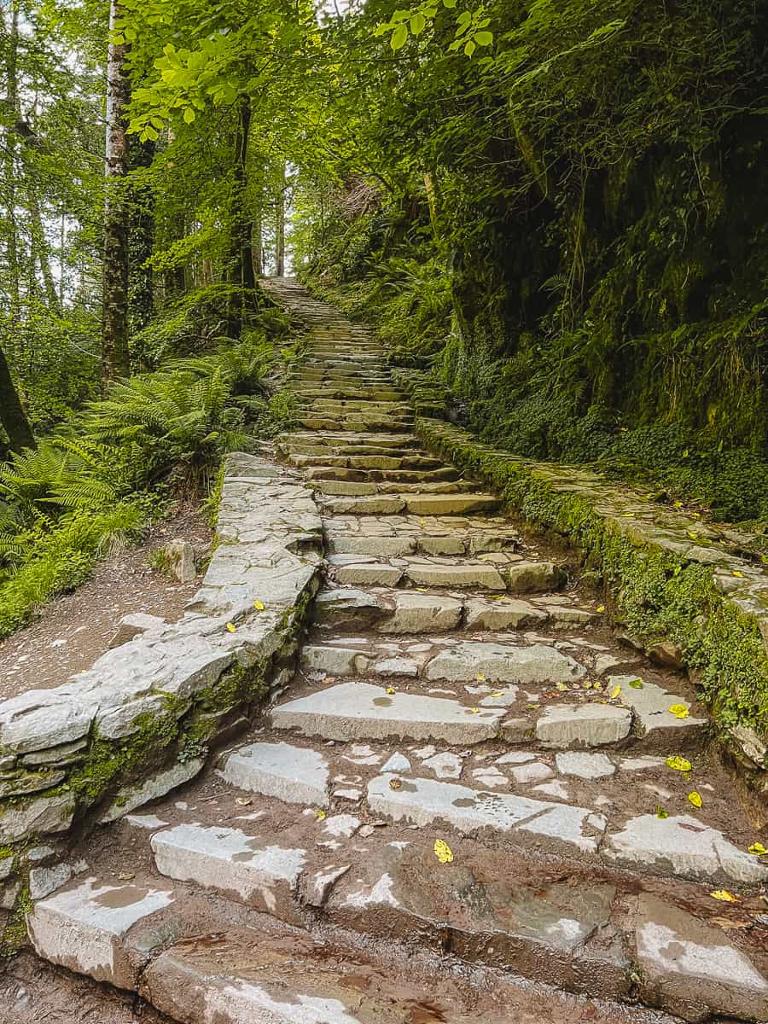
- Steps beside the falls with views over Muckross and the lakes
- Facilities
- Wheelchair access



4.Crag Cave
A million-year-old cave found only in 1983
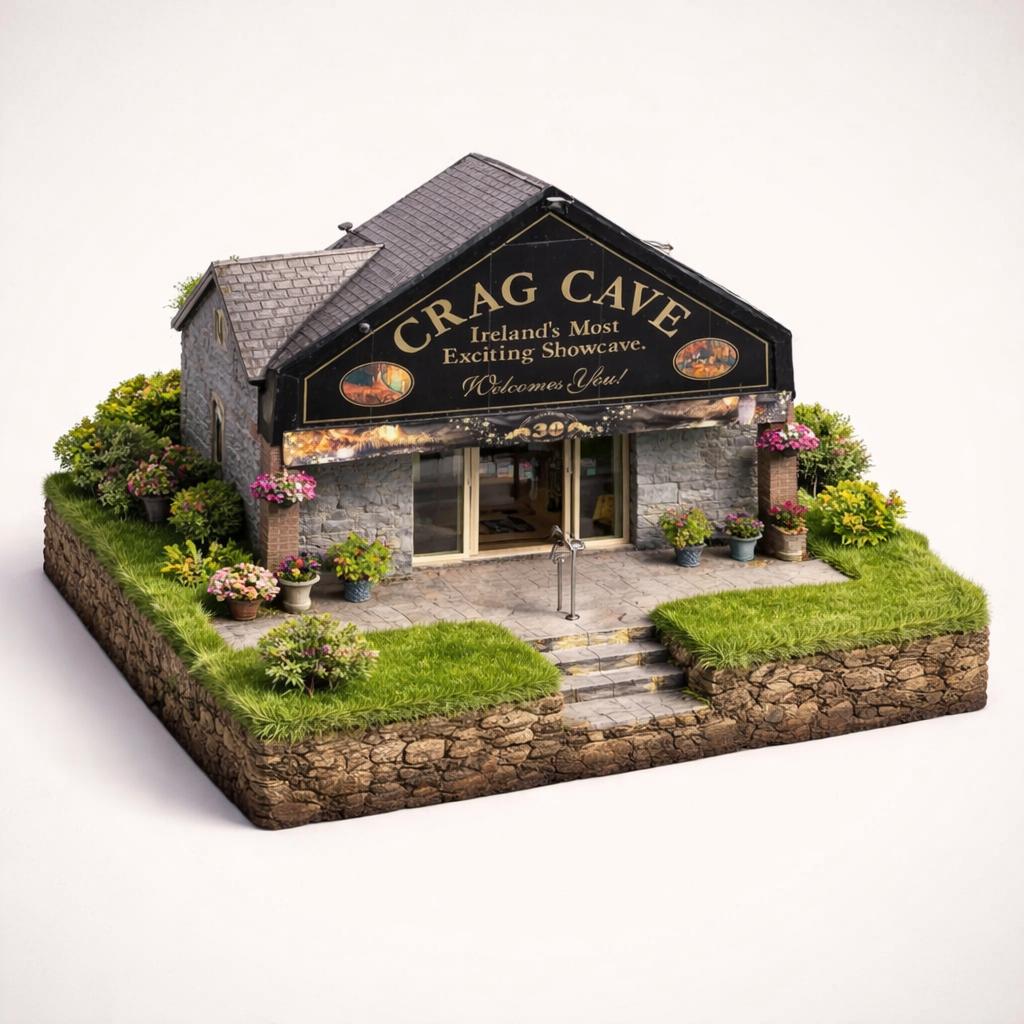
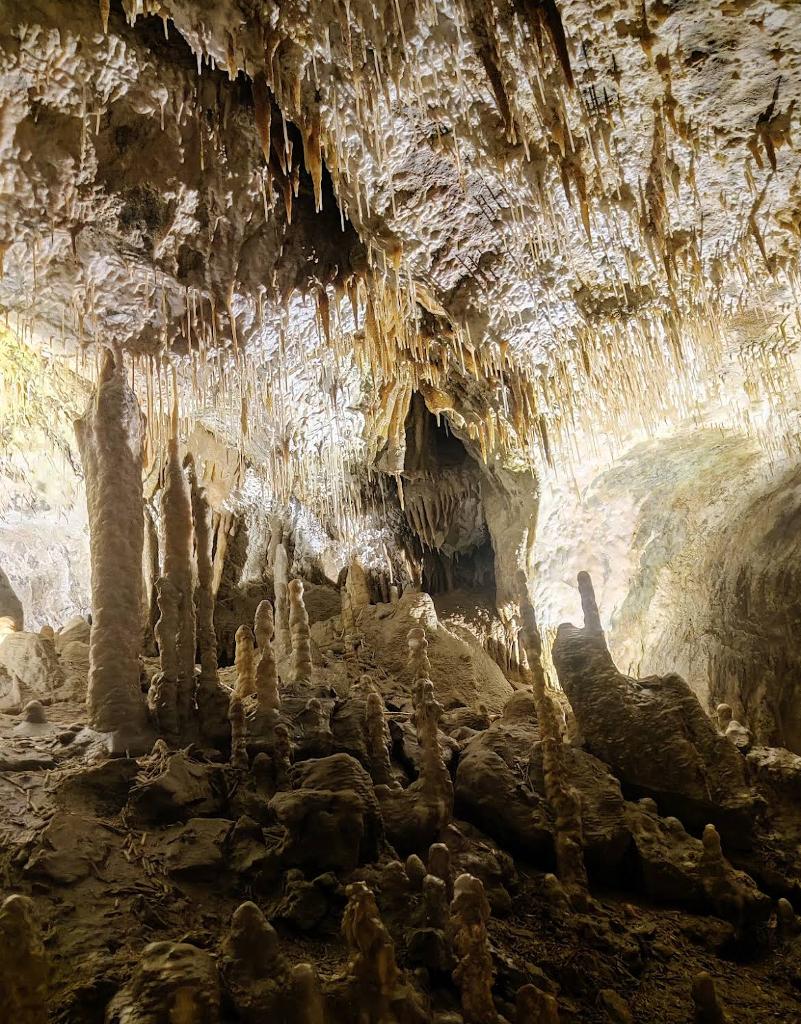
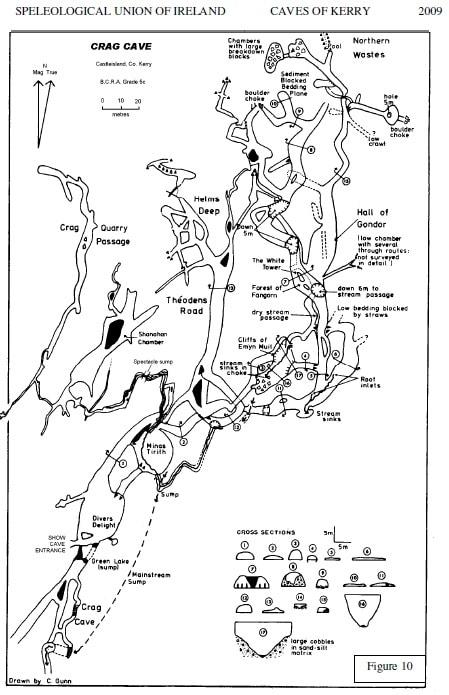
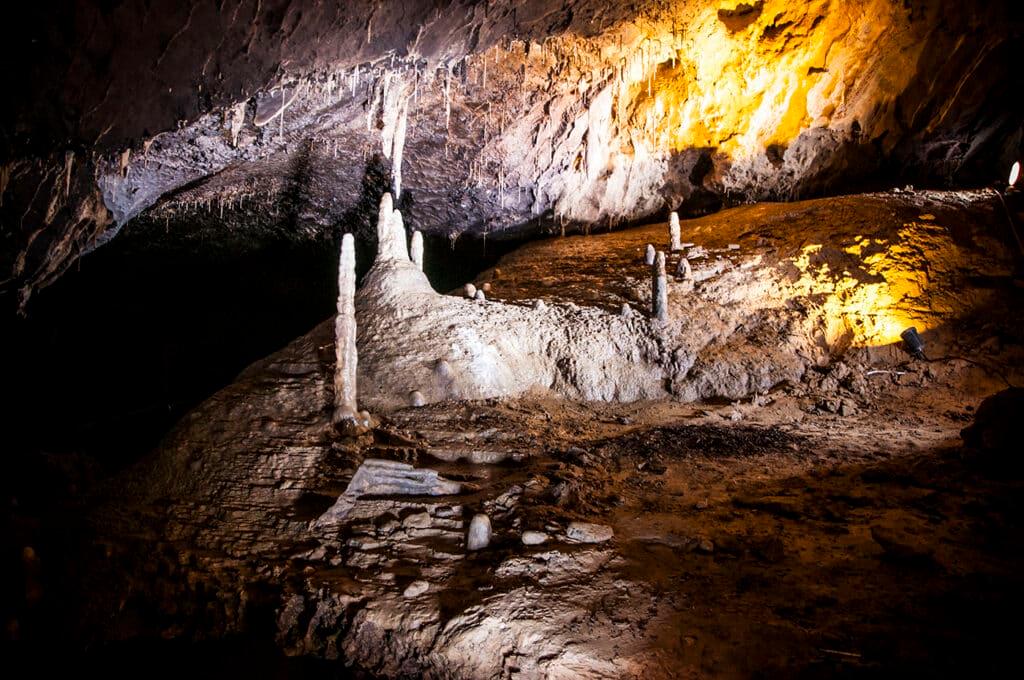
Crag Cave is a fossil cave system over one million years old and, at almost 4 km, the longest cave in County Kerry. Discovered only in 1983 and lit atmospherically, it hides delicate calcite formations and chambers named after the places of Middle-earth.
- Highlights
- Ireland's most exciting show cave
- Almost 4 km long — the longest cave in County Kerry
- Over one million years old, discovered in 1983
- Facilities
- Wheelchair access
5.The Valentia Island Tetrapod Footprints
385-million-year-old footprints of early land animals
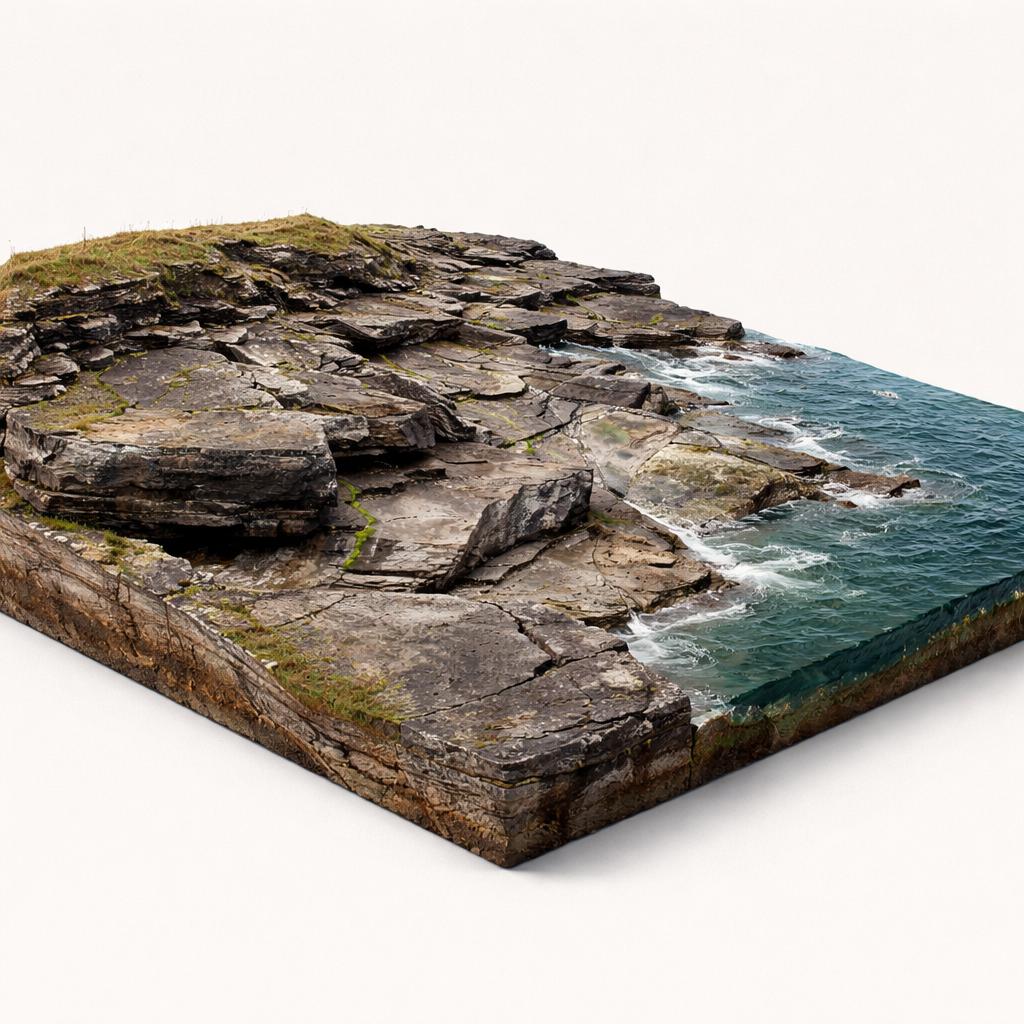
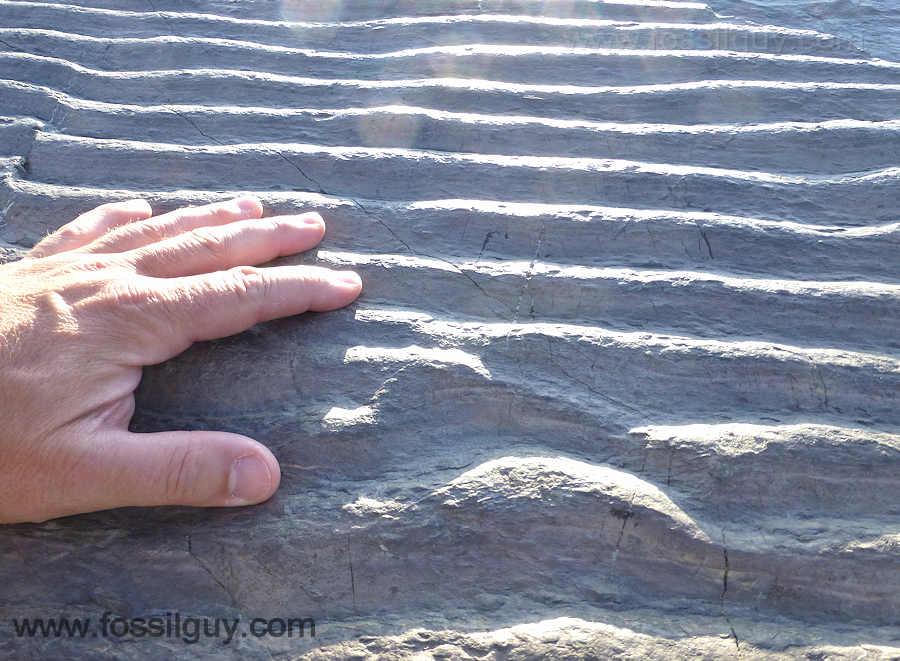
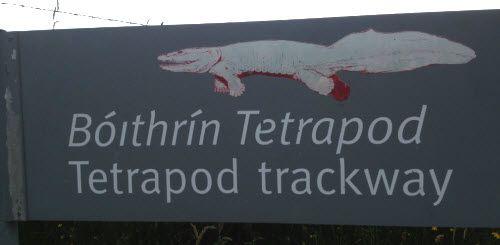
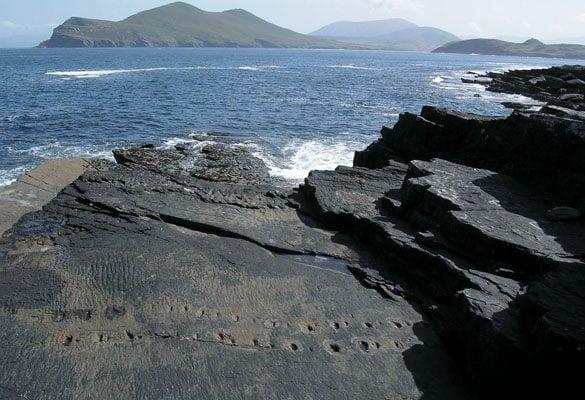
On a rocky shore at the north of Valentia Island, a 385-million-year-old trackway preserves the footprints of some of the earliest four-legged animals to walk on land — the most extensive Devonian trackway in the world.
- Highlights
- The world's most extensive Devonian tetrapod trackway
- Footprints roughly 385 million years old
- Longest trackway around 15 metres, with over 145 imprints
- Facilities
- Good for kids