Caves and Underground Places to Visit in Ireland
8 places · Updated July 2026
Ireland's underworld runs deeper than you might expect. From 350-million-year-old limestone show caves to a coal mine where former miners still guide the tours, these eight places all share one thing: you go inside. Half are guided walk-in experiences with lighting, handrails and a constant 10–12°C chill. The rest reward preparation — a torch, sturdy boots, a tide table, or simply a willingness to crawl into an early medieval souterrain. Spread across seven counties, they range from heavily visited icons to free, barely signposted spots known mainly to locals. Several are open year-round; a few close for lambing season or winter. Most need advance booking.
Show Caves & Guided Tours

1.Doolin Cave
Europe's largest free-hanging stalactite
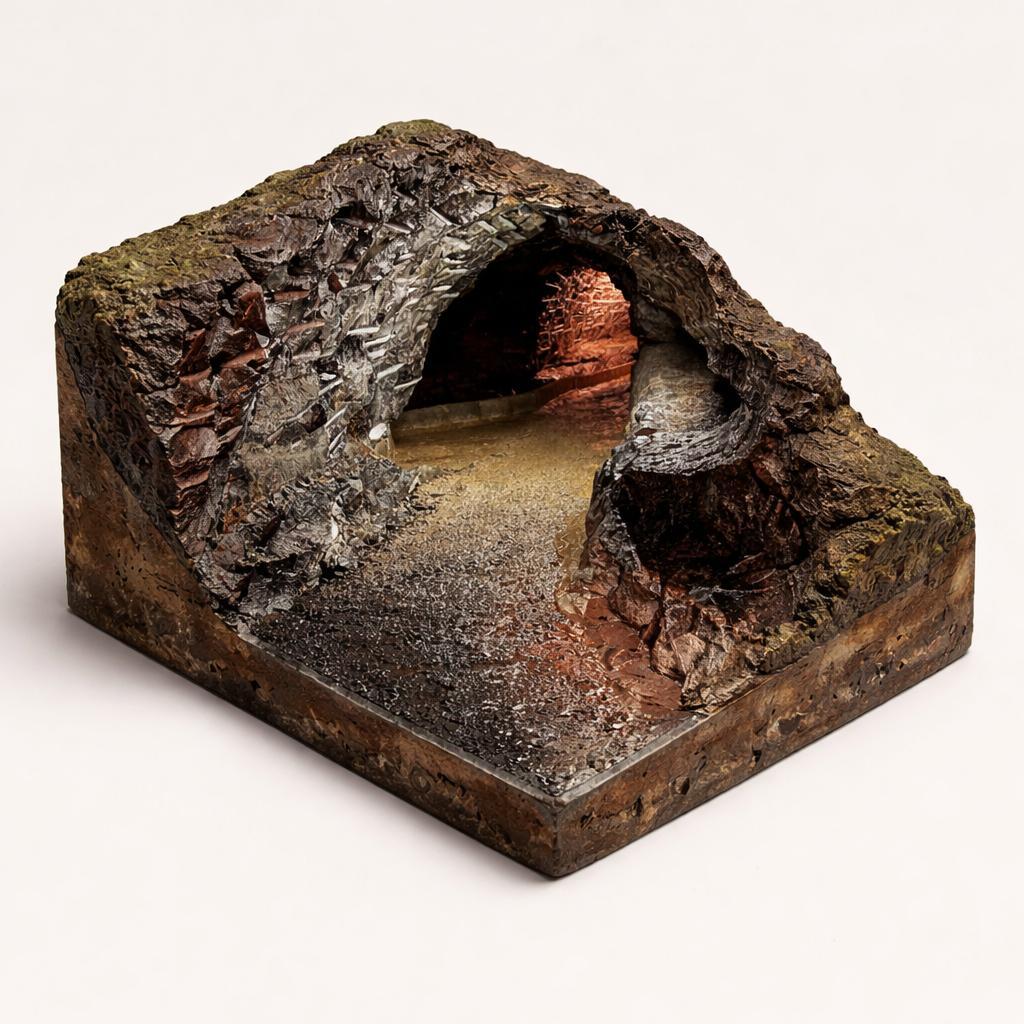
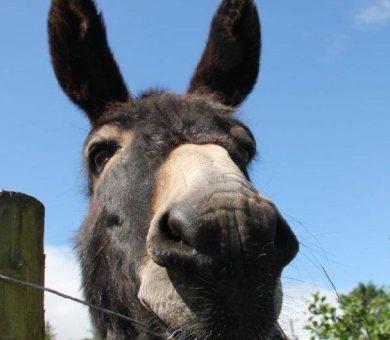
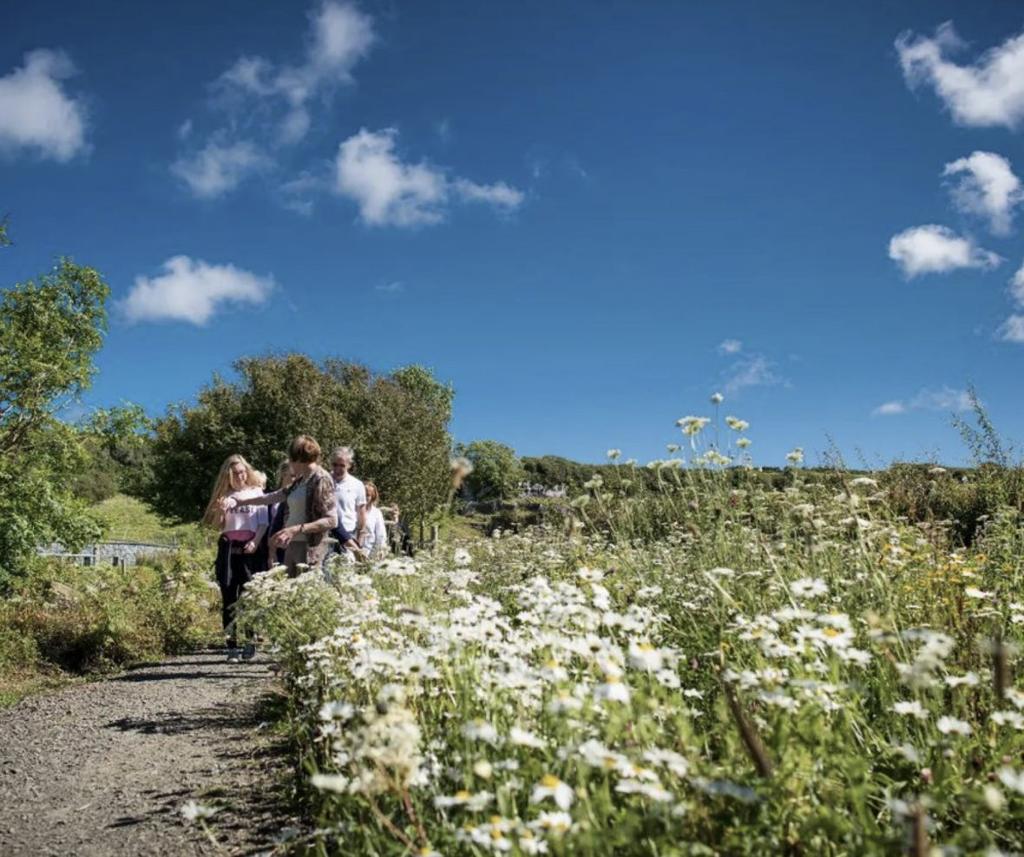
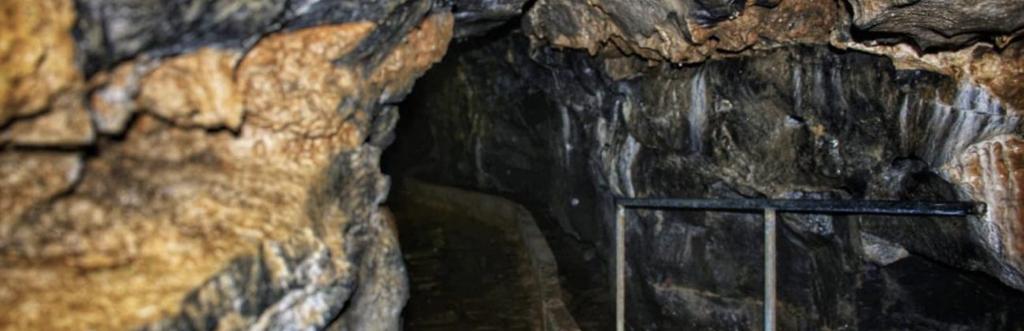
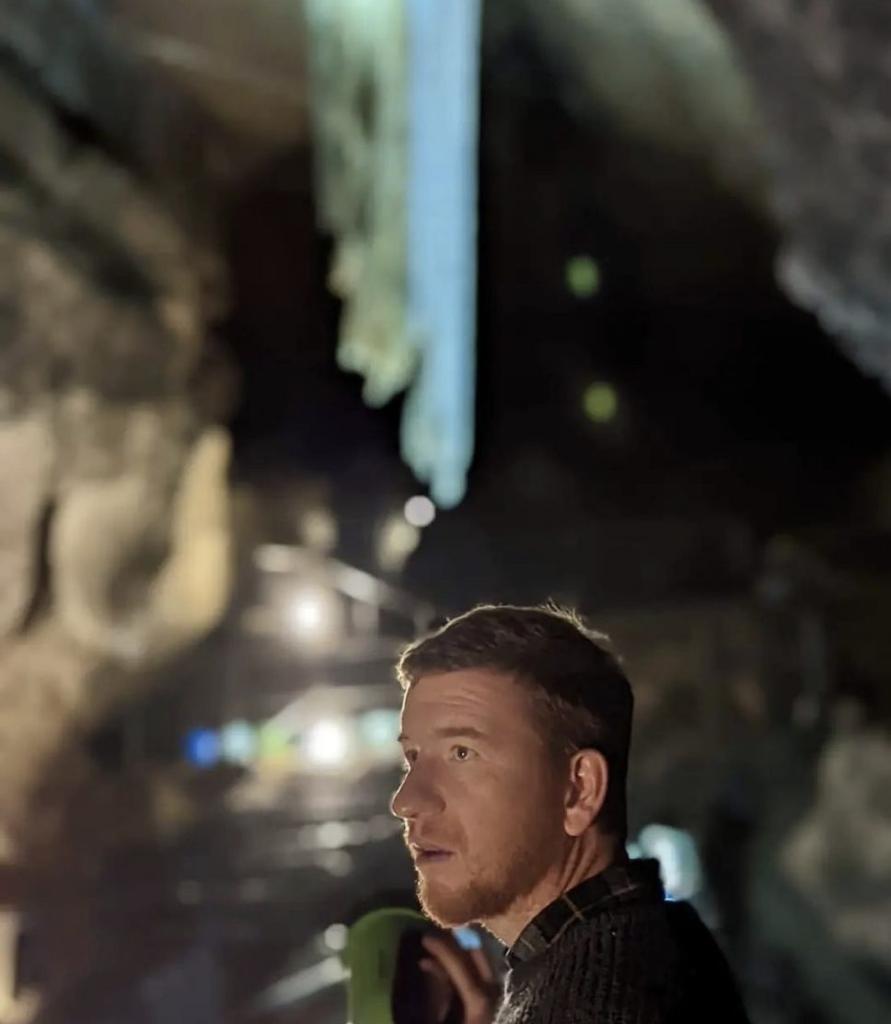
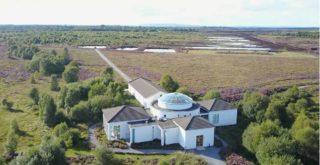
The Great Stalactite — 7.3 metres long, roughly 10 tonnes — is what everyone comes for, dramatically lit in a chamber 70 feet below Burren pastureland. The 50-minute guided tour descends 125 steps through two chambers, the second filled with delicate straw stalactites and helicities. Hard hats are provided; tour capacity is capped at 20, so it never feels crowded. Above ground, a gentle 1km eco-trail loops past rare-breed Soay sheep and pygmy goats with views to Ballinalacken Castle.
- Best time
- Year-round; the cave stays 11°C so summer visits are refreshing and winter visits feel warm.
- Tip
- Pre-book online, especially in summer. Solo travellers must email ahead — walk-ins aren't accepted for single visitors.
2.Mitchelstown Cave
Three colossal caverns, one family since 1833
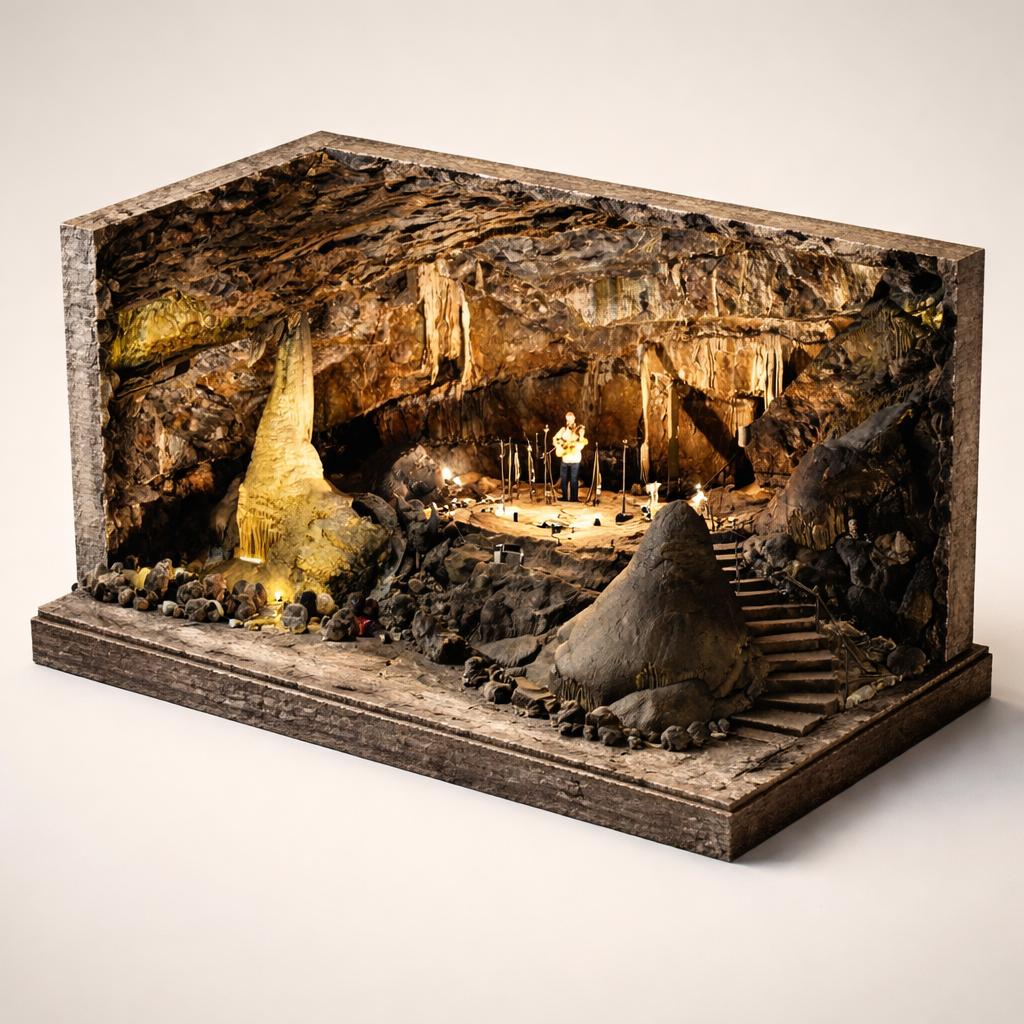
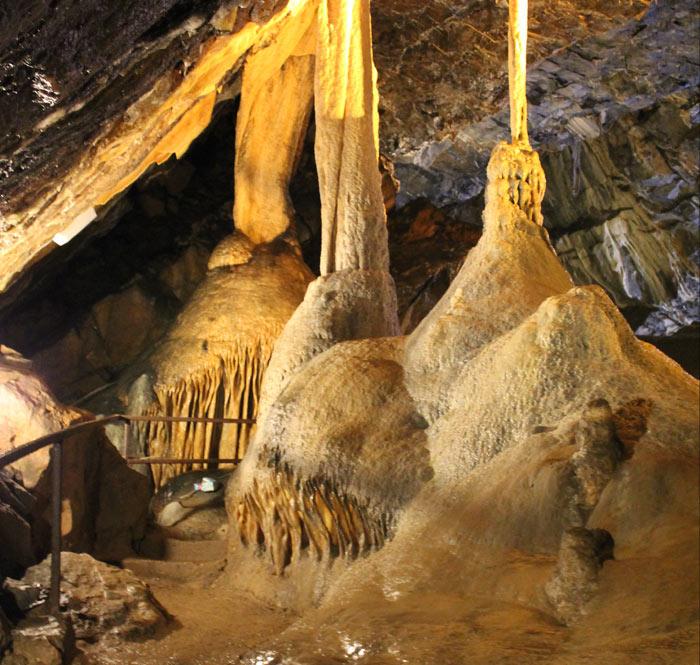
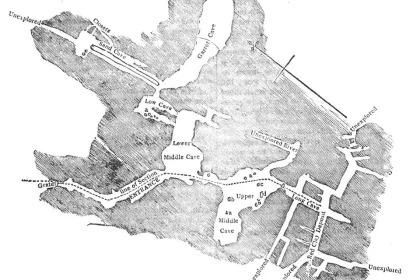
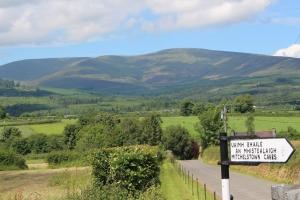
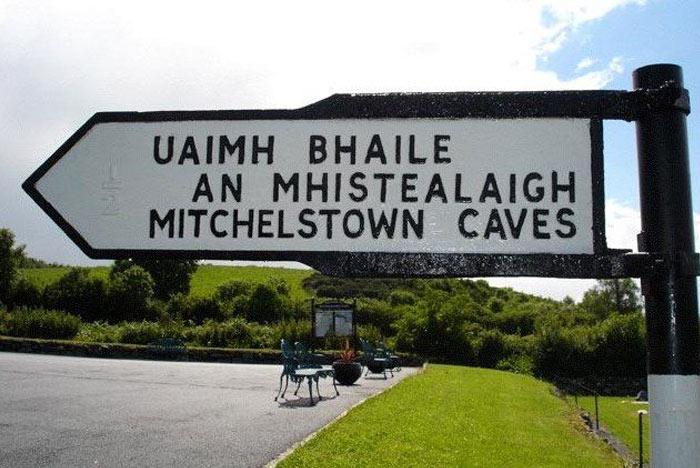
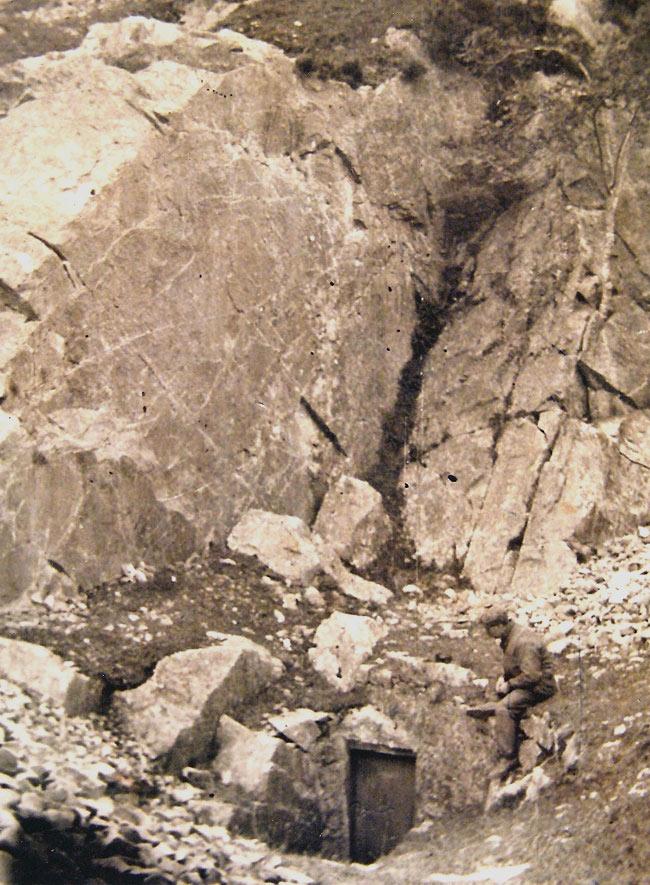
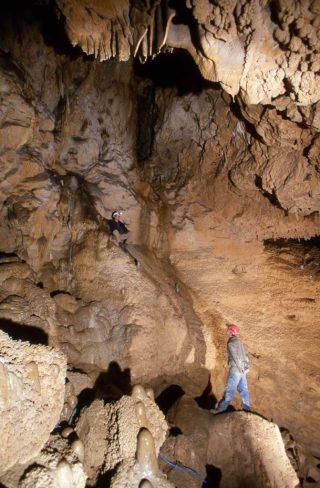
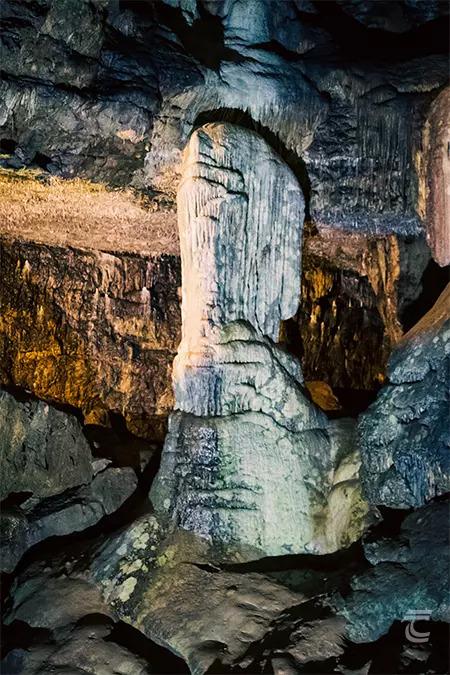
Discovered by accident when a quarryman's crowbar vanished into a fissure, Mitchelstown Cave remains in the same family nearly two centuries later. The tour walks roughly 1km through three vast chambers — the largest, Tír na Nóg, measures 61m by 49m with an 18-metre ceiling. The star formation is the Tower of Babel, a 9-metre calcite column among Europe's finest. There is no gift shop, no café, no visitor centre — just picnic tables with Galtee Mountain views and a genuinely uncommercialised experience.
- Best time
- Open year-round; April–September gives you longer daylight for the mountain picnic area afterwards.
- Tip
- Call ahead to book — entry is by reservation only. Bring a jacket (constant 12°C) and cash; card payment isn't always available.
3.Dunmore Cave
Viking silver in Ireland's darkest place
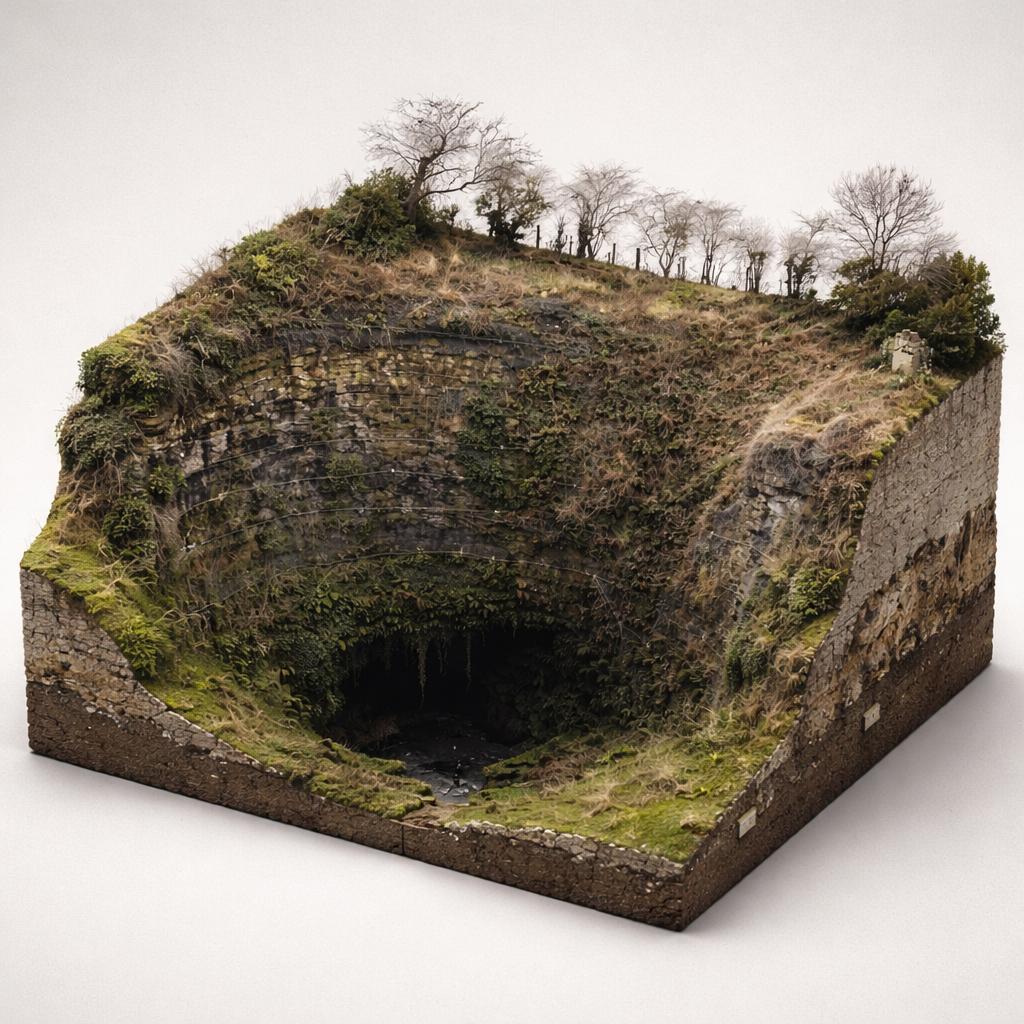
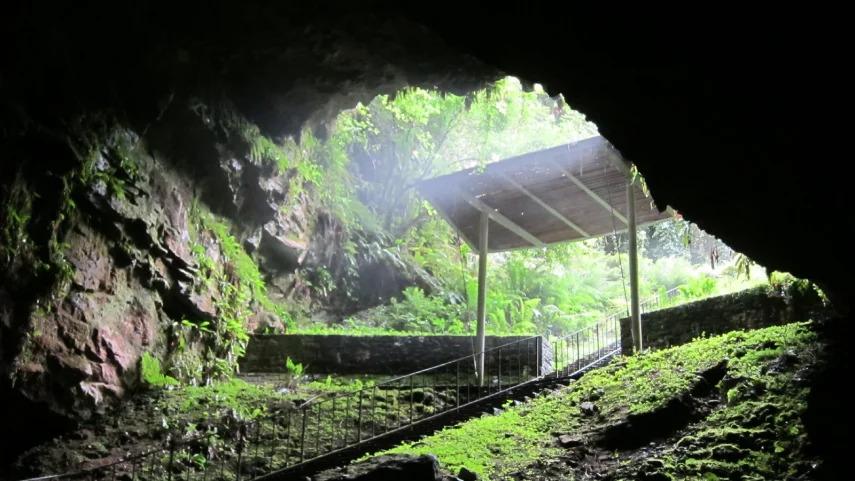
Dunmore Cave descends 700 steps to a depth of 46 metres, passing formations 300 million years in the making. The 50-minute guided tour ends with the famous 'lights out' moment of total darkness — fitting for a place the 9th-century Irish Triads listed among Ireland's three darkest sites. The Market Cross, at 7 metres, is Europe's largest free-standing stalagmite. The visitor centre displays Viking silver hoards discovered here, dating from around AD 930–970, alongside an interactive virtual museum.
- Best time
- March–October for seven-day opening. The cave interior stays ~10°C regardless of season.
- Tip
- The cave mouth is at the bottom of a steep 20-metre slope — sturdy footwear matters. Winter hours are reduced to Wednesday–Sunday.
4.Aillwee Burren Experience
Bear bones, an underground waterfall and cheese
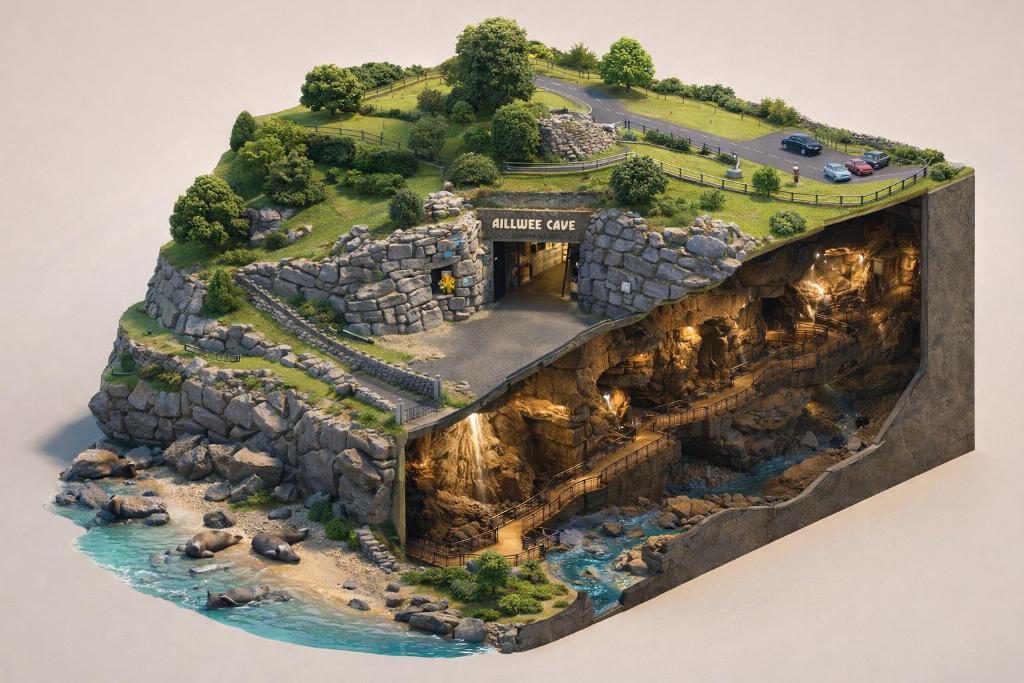
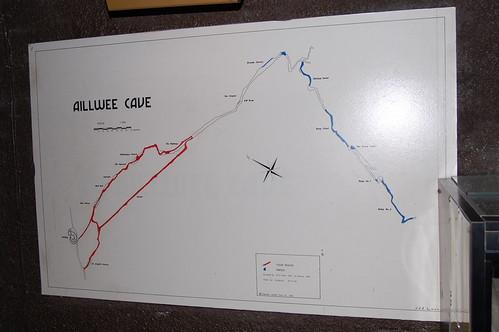
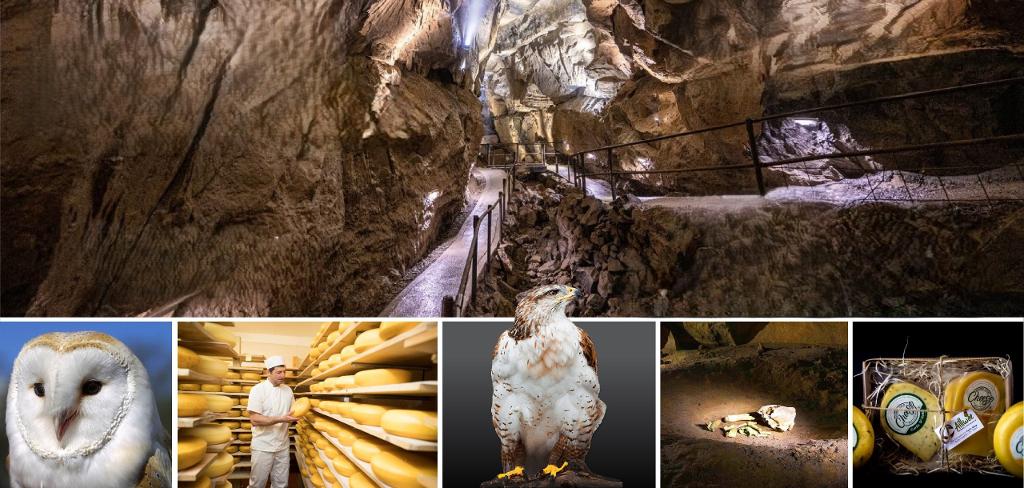
Aillwee packs more variety into one hillside than any other cave destination in Ireland. The 45-minute guided walk covers 850 metres of illuminated passage with bridged chasms, an underground waterfall, a frozen waterfall, and the famous brown bear remains — dated between 10,500 and 4,500 years old — still lying in their hibernation pits. Above ground, daily birds-of-prey flying displays feature eagles and vultures against the Burren landscape, and the farm shop sells Burren Gold cheese made on site.
- Best time
- Late March to early October, when cheese-making demonstrations and daily flying displays run alongside the cave tours.
- Tip
- The Hawk Walk — flying a Harris Hawk through ancient hazel woodland — must be booked 24–48 hours ahead and costs €120 per person.
Wild Caves & Underground Adventures
5.Keshcorran Caves
Sixteen caves in a cliff face, free to roam
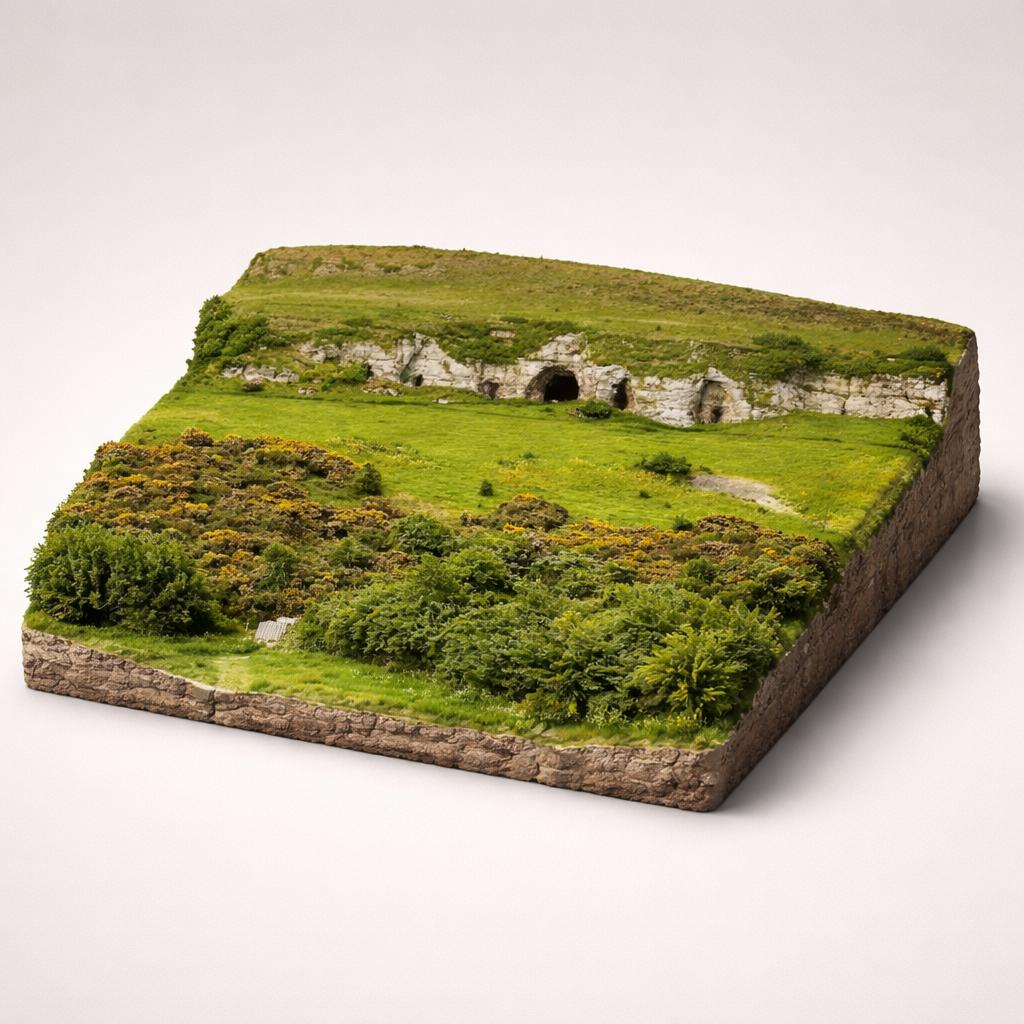
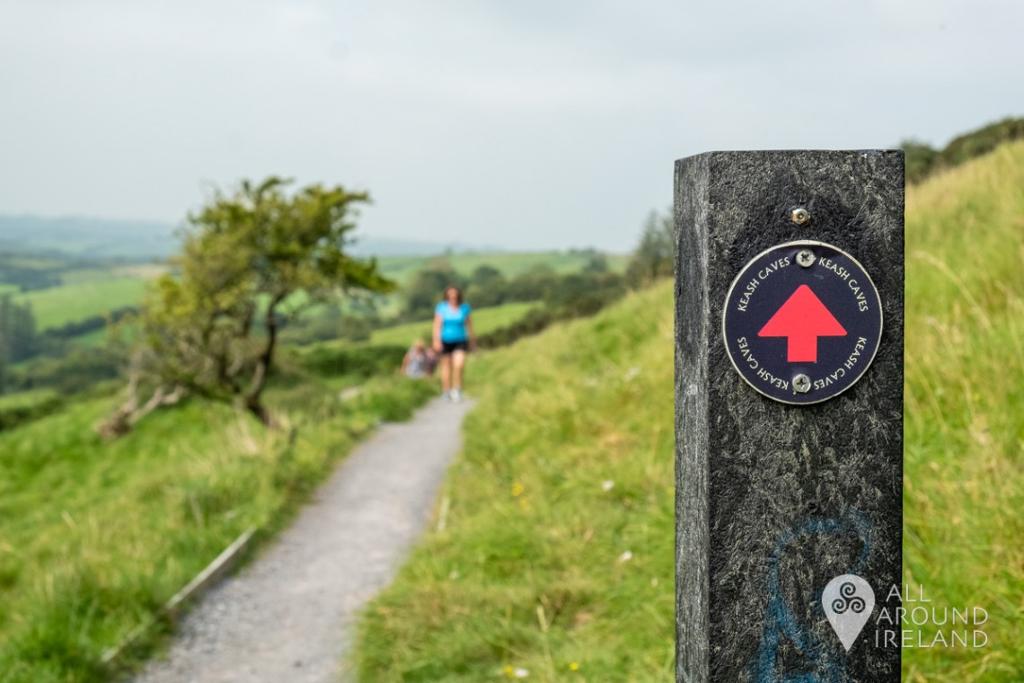
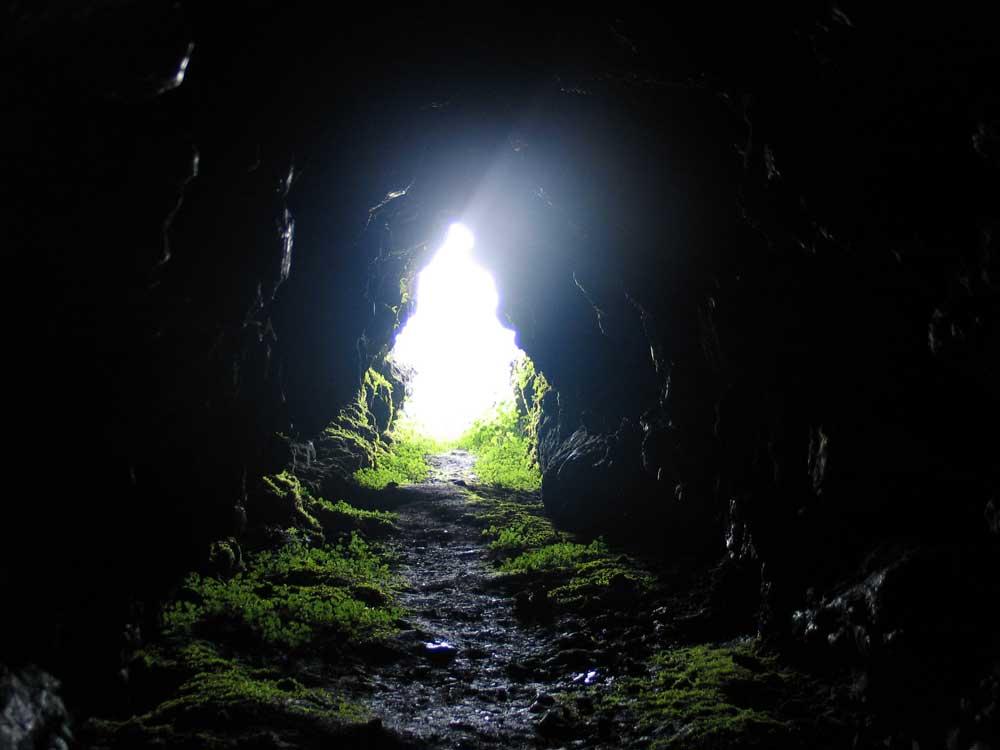
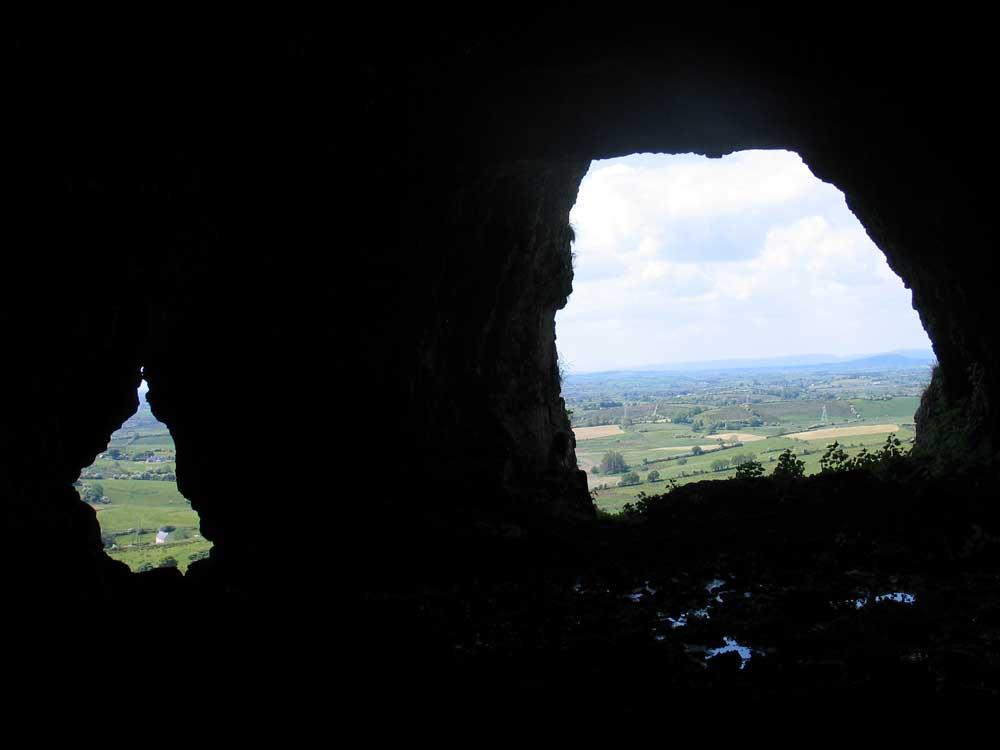
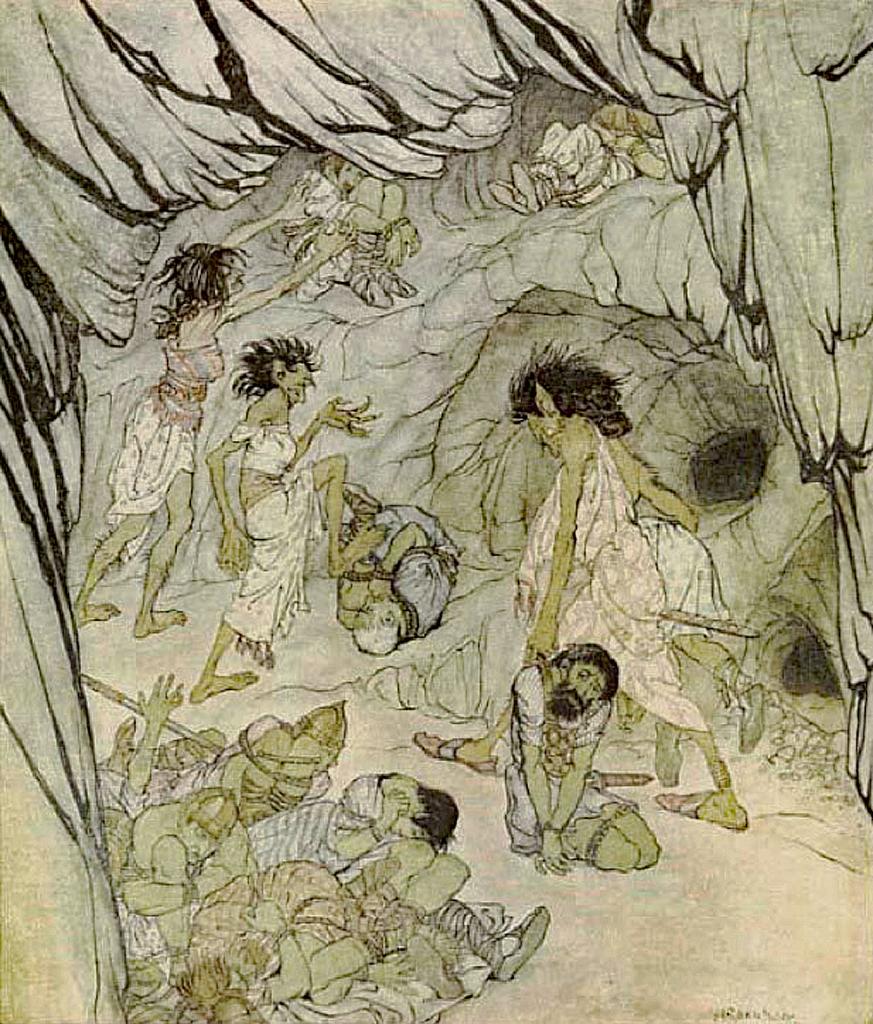
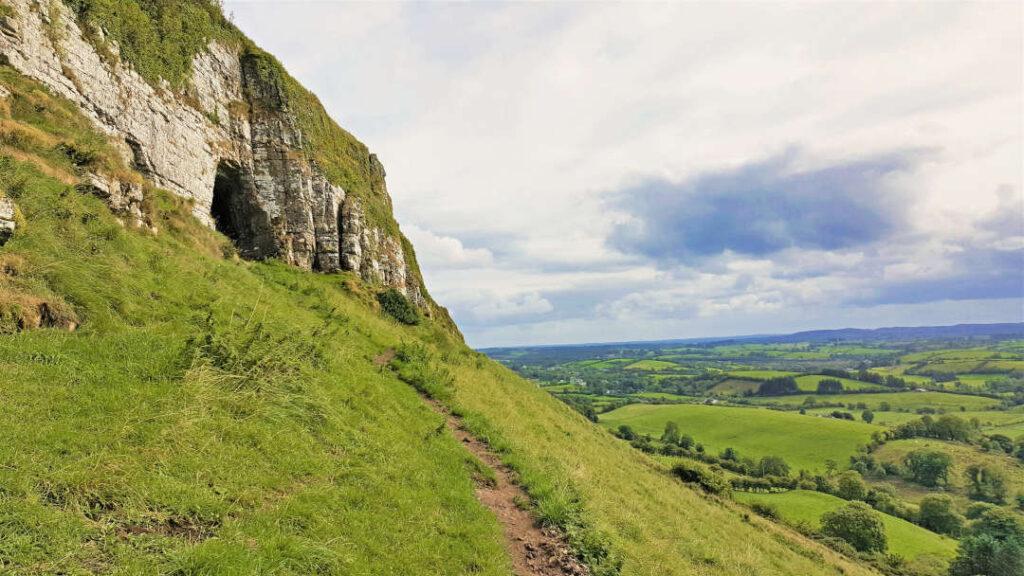
A striking horizontal line of sixteen natural limestone caverns stares out from the cliff of Keshcorran Hill, reachable by a steep 650-metre trail that climbs about 90 metres from the car park. There are no guides, no lights, no tickets — just you, a torch, and caves labelled A through P. Cave E is nicknamed the Hermit's Bedroom; some interconnect, and a few reach about 30 metres deep. Ice Age bear and wolf bones were excavated here, and the caves thread through Irish myth: the legendary High King Cormac Mac Airt was said to have been raised here by a she-wolf.
- Best time
- May to September for drier conditions underfoot. Avoid lambing season (late March–late April) when access is closed.
- Tip
- Bring a torch for the deeper recesses and expect sheep sheltering in the entrance caves. The path becomes treacherously slippery after rain.
6.Secret Waterfall
A waterfall thundering inside a sea cave
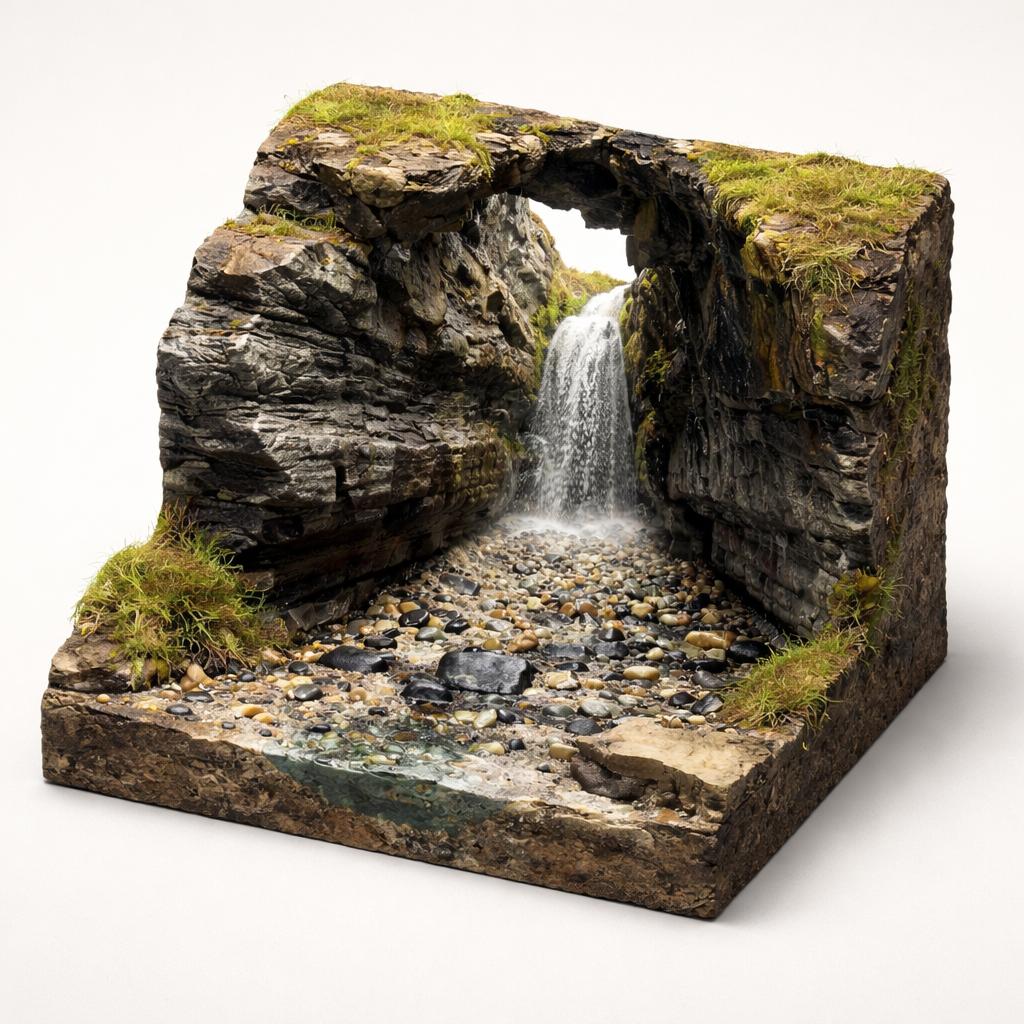
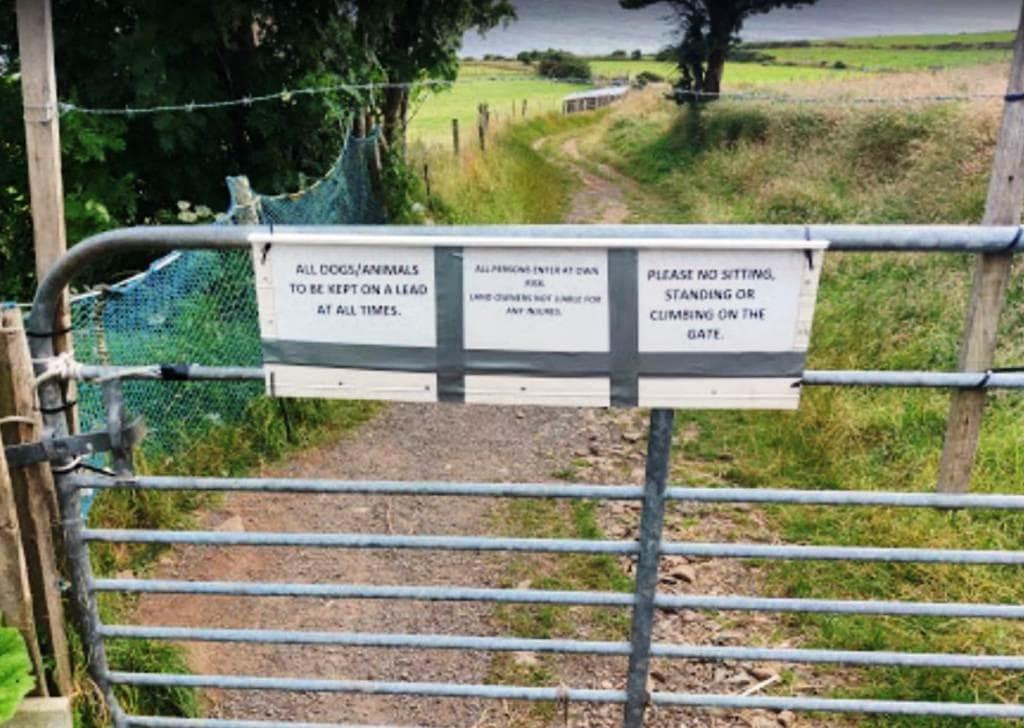
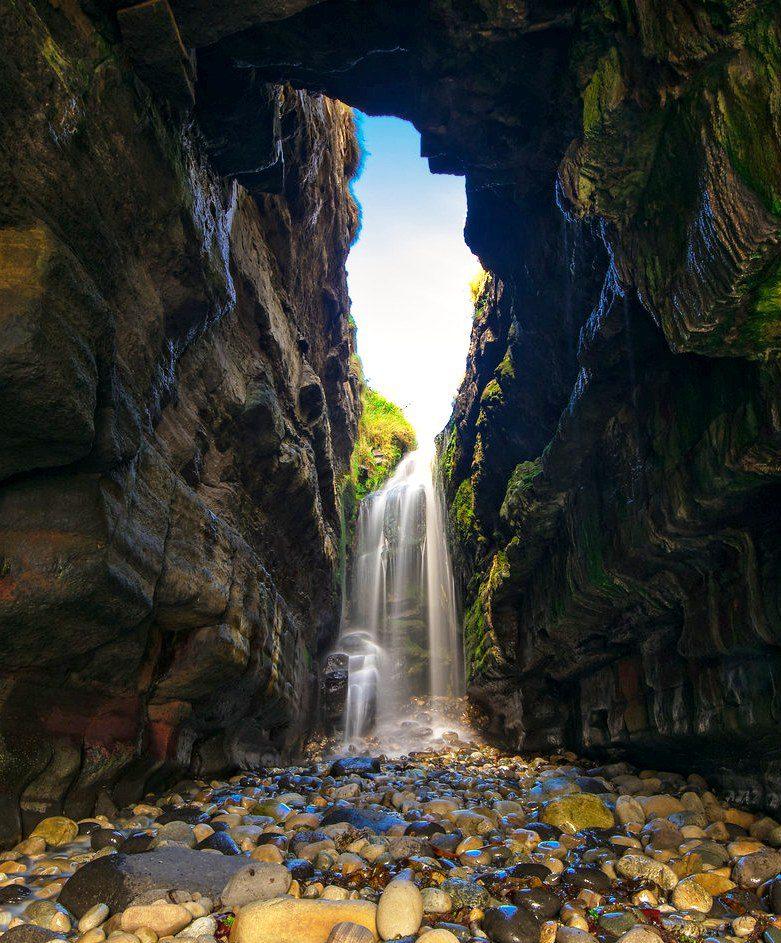
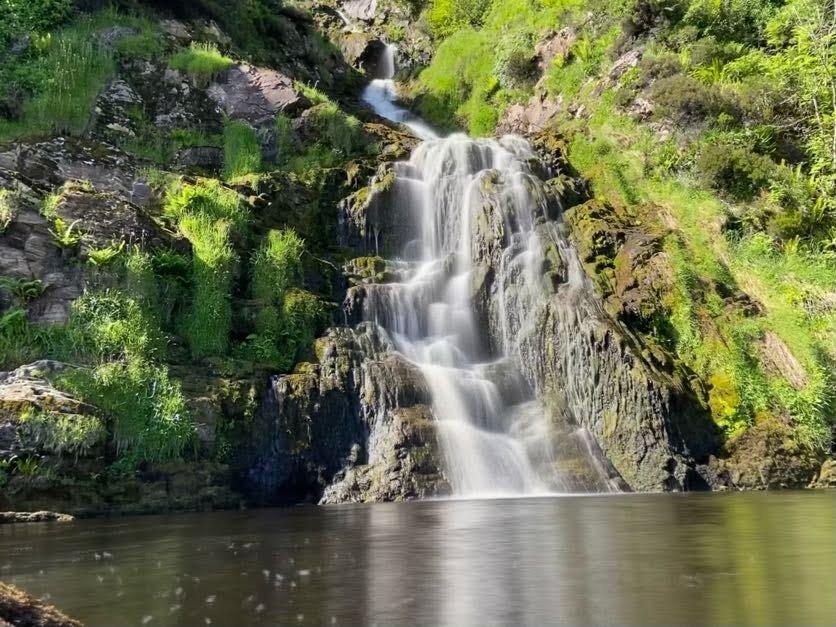
The Largy Burn drops 30 to 50 feet from the clifftop through a roofless sea cave onto boulders below before flowing into Donegal Bay. You hear it before you see it — a growing roar as you pick your way along jagged, seaweed-slick rocks for 15–25 minutes from the nearest field gate. It is at its most thunderous after heavy rain, and sunlight catching the spray can produce rainbows inside the cave. Access is only possible at low tide, through private farmland by permission of the landowner.
- Best time
- Late spring to early autumn. After heavy rain the waterfall is most dramatic, but the rocks are also most treacherous.
- Tip
- Check Killybegs tide tables before visiting. Low tide must be 0.5m or lower; arrive 2–3 hours before low tide. The cave floods completely at high tide with no escape route.
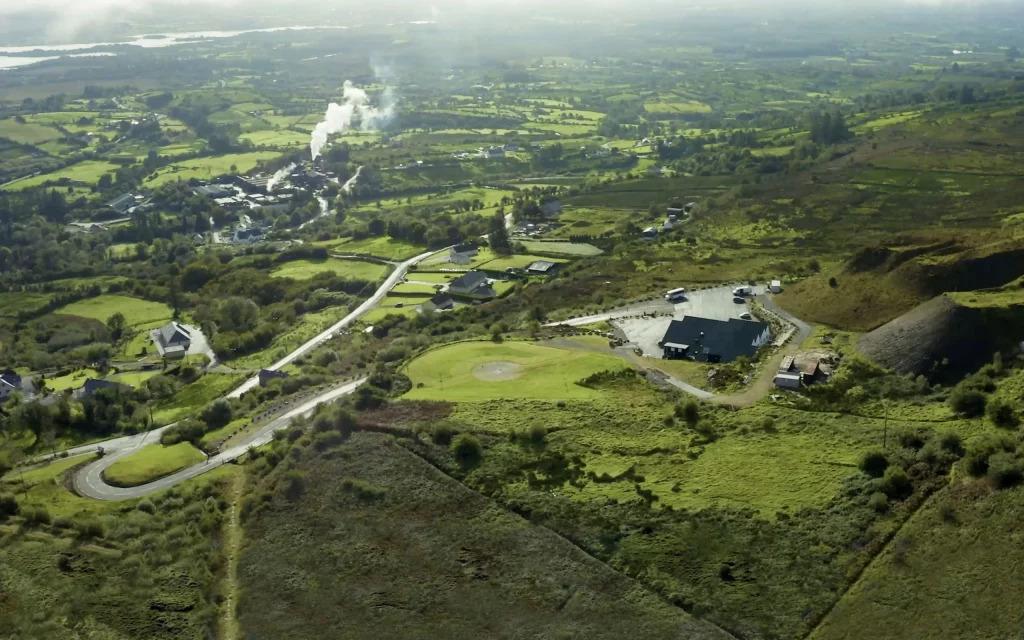
7.Arigna Mining Experience
A coal mine where the guides worked the seams
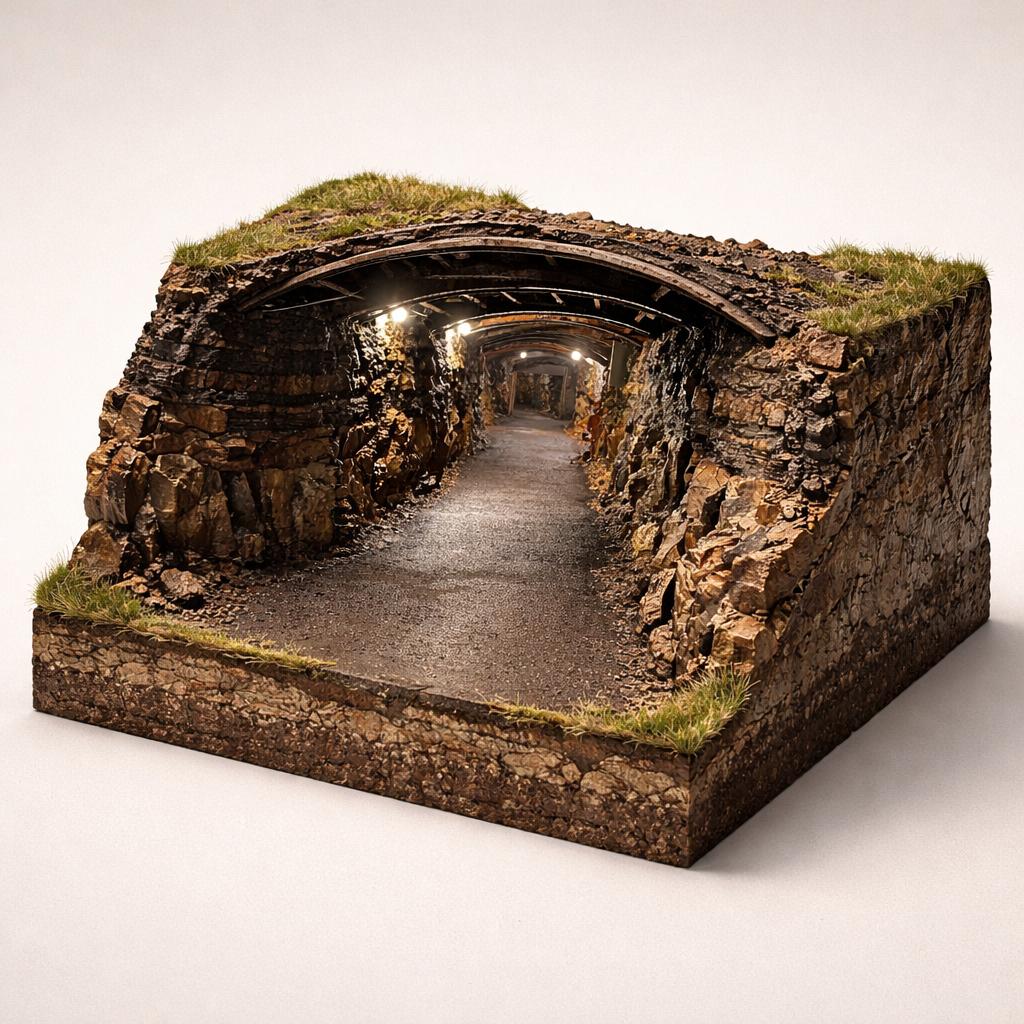
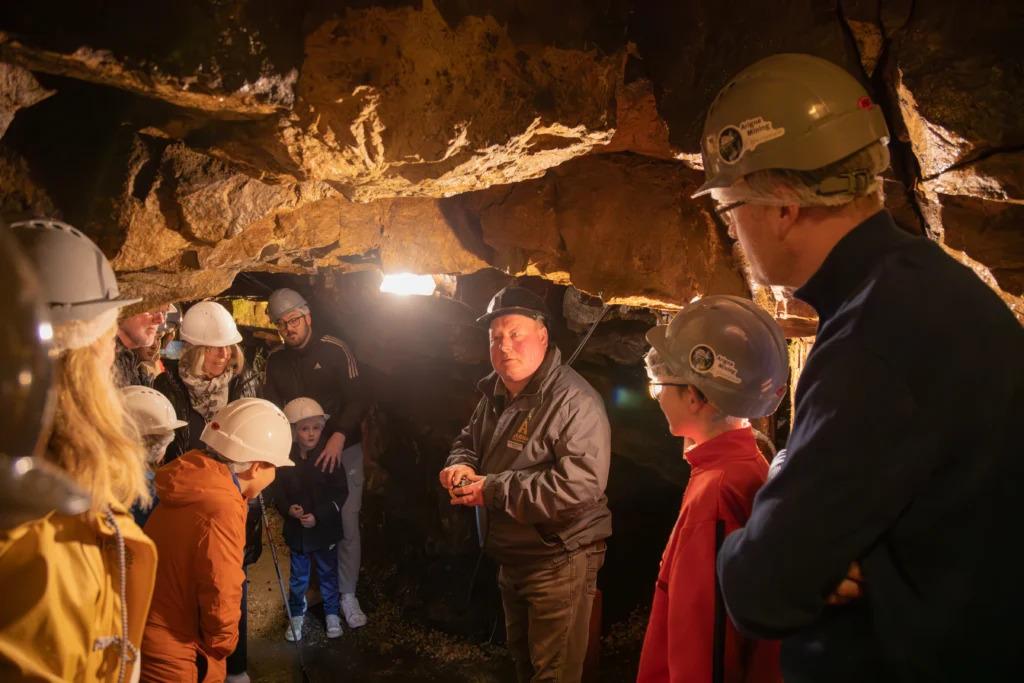
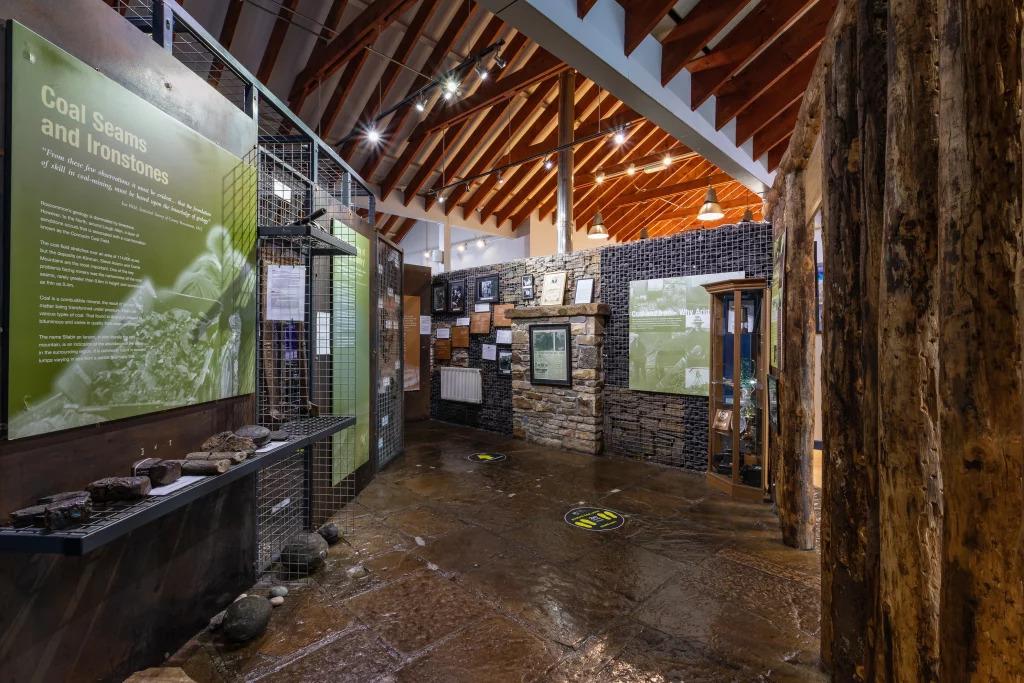
Arigna closed as Ireland's last working coal mine in 1990, but the men who once lay on their sides hacking at narrow seams now lead the 45-minute underground tours. At a constant 10°C, with lighting and sound effects bringing the darkness to life, it is a raw, first-hand encounter with 400 years of mining heritage. The free exhibition area includes the original control panel from the Lough Allen Power Station and footage filmed just weeks before the mines shut. The on-site café seats 60 and serves full Irish breakfasts alongside lunch.
- Best time
- Year-round except December 23–January 3 (open December 28 only). No underground tours on December weekends.
- Tip
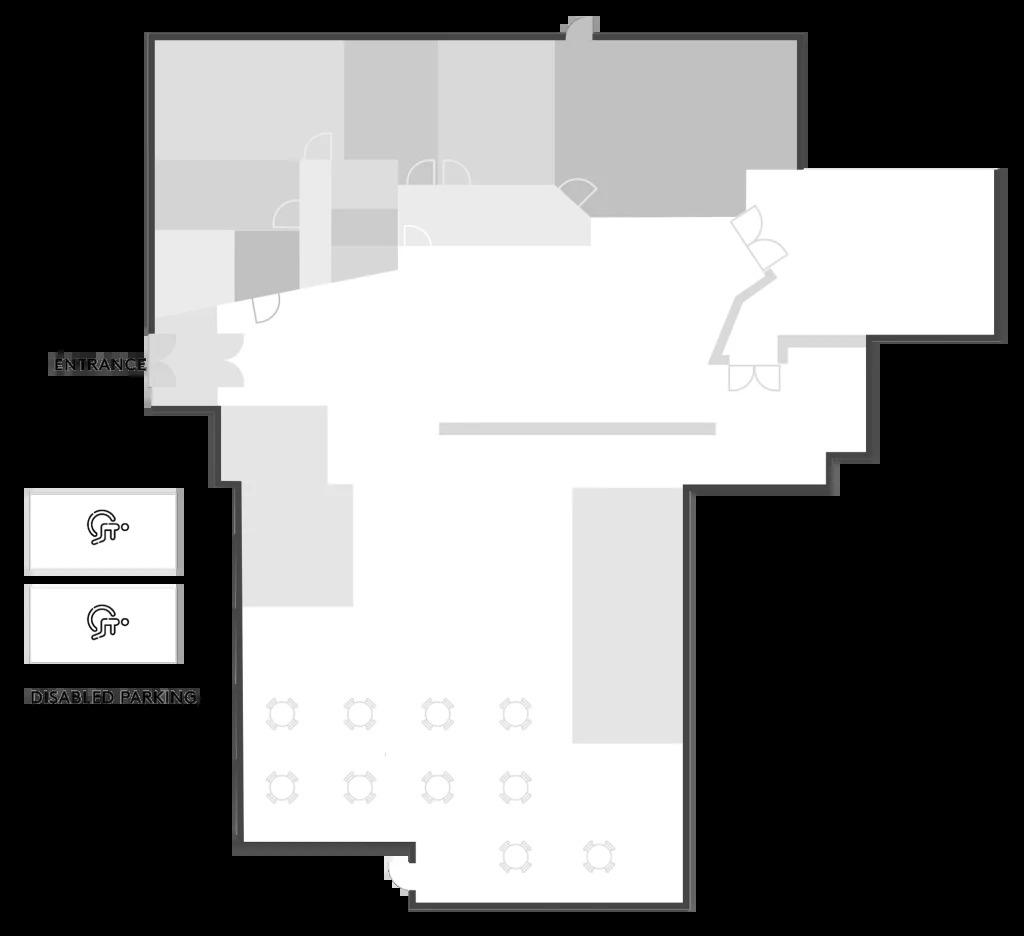
- The entire site — visitor centre, underground tour, and parking — is fully wheelchair accessible, a rarity among Ireland's underground attractions.

8.Craggaunowen Castle & Crannóg
Crawl into an early medieval souterrain
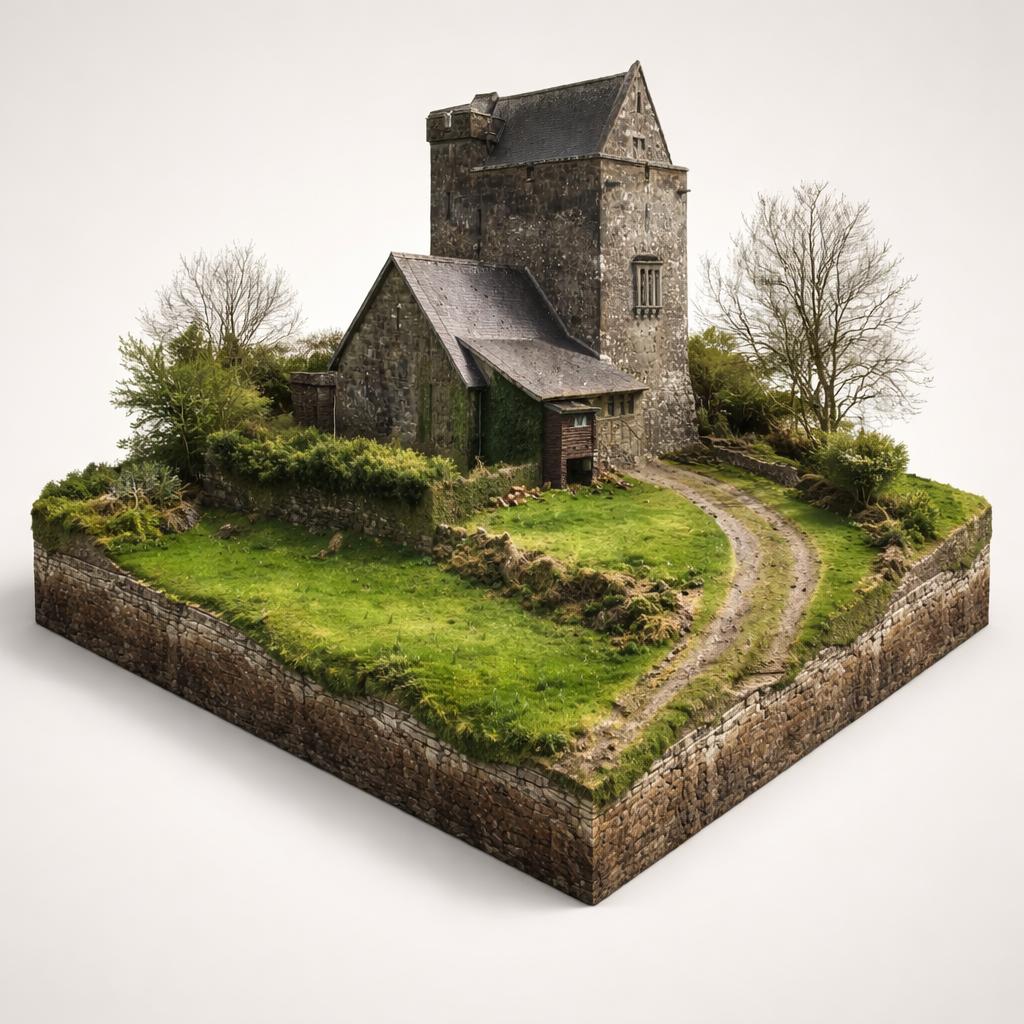
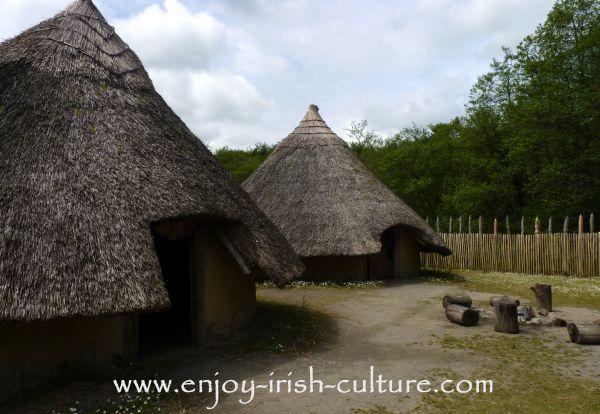
Among Craggaunowen's 50 acres of woodland — with its 16th-century tower house, reconstructed Bronze Age crannóg, and Tim Severin's transatlantic leather boat — sits a faithful reproduction of a 4th- or 5th-century farmer's ringfort. Beneath it, you can crawl into the souterrain: a narrow underground passage originally used for food storage and as a refuge from attack. It is a brief, tactile, slightly claustrophobic encounter with early medieval life, and one that children tend to remember long after the castle tour fades.
- Best time
- Visit on a dry summer day; the park is mostly outdoor and spread across 50 acres of woodland.
- Tip
- The site is seasonal — open roughly Easter Saturday through late August, daily 10:00–17:00. Check before travelling outside summer.
Practical tips
- Bring a warm jacket even in summer — every cave and mine on this list stays between 10°C and 12°C year-round.
- Pre-book guided cave tours online wherever possible; Doolin Cave, Mitchelstown Cave and Dunmore Cave all limit group sizes and walk-in spaces are scarce.
- For sea caves (Secret Waterfall), check tide tables, not the weather forecast — low tide must be 0.5m or lower for safe access, and the cave floods completely at high tide.
- Keshcorran Caves close during lambing season (roughly late March to late April) — check sligowalks.ie before setting out.
- Wear sturdy footwear with grip: the approach to Keshcorran turns treacherous after rain, and the coastal scramble to Secret Waterfall crosses seaweed-slick rocks.
- Arigna Mining Experience is fully wheelchair accessible including the underground tour — a rare and valuable option among Ireland's underground attractions.
Frequently asked questions
What is the best cave to visit in Ireland for families?
Aillwee Burren Experience and Doolin Cave are the most family-ready: both have guided tours with handrails and lighting, plus above-ground attractions (birds of prey at Aillwee, an eco-trail with farm animals at Doolin). Dunmore Cave suits families with older children interested in Viking history. Arigna Mining Experience welcomes all ages and is fully wheelchair accessible.
Are there any caves in Ireland you can explore without a guide?
Yes. Keshcorran Caves in Sligo are sixteen natural limestone caverns in a cliff face, reached by a steep public trail — completely free and unguided. Bring a torch. The Secret Waterfall sea cave in Donegal is also unguided but requires careful low-tide timing and a coastal scramble. Craggaunowen's souterrain is self-guided once you are inside the park.
Do I need to book in advance for Ireland's show caves?
Yes, for most. Doolin Cave strongly advises pre-booking, especially in summer, and solo travellers must email ahead. Mitchelstown Cave operates by reservation only — call before travelling. Dunmore Cave runs first-come, first-served tours but groups should pre-book. Aillwee accepts walk-ins but online booking saves queuing.
Which cave is closest to Dublin?
Dunmore Cave in County Kilkenny is about 90 minutes' drive from Dublin via the M9, making it the most accessible major show cave from the capital. Mitchelstown Cave in Tipperary is roughly two hours via the M7 and M8.
Are any of Ireland's caves open in winter?
Most are. Doolin Cave, Mitchelstown Cave, Dunmore Cave (Wednesday–Sunday only in winter), Aillwee Burren Experience and Arigna Mining Experience all operate year-round. Craggaunowen is summer-only (Easter to late August). Keshcorran Caves are technically open year-round but the steep path becomes dangerous after rain, and access closes during lambing season.