Find the quieter caves
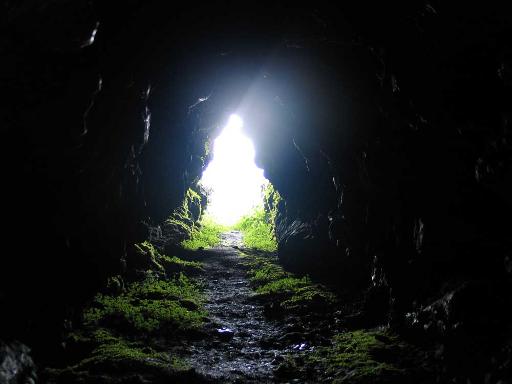
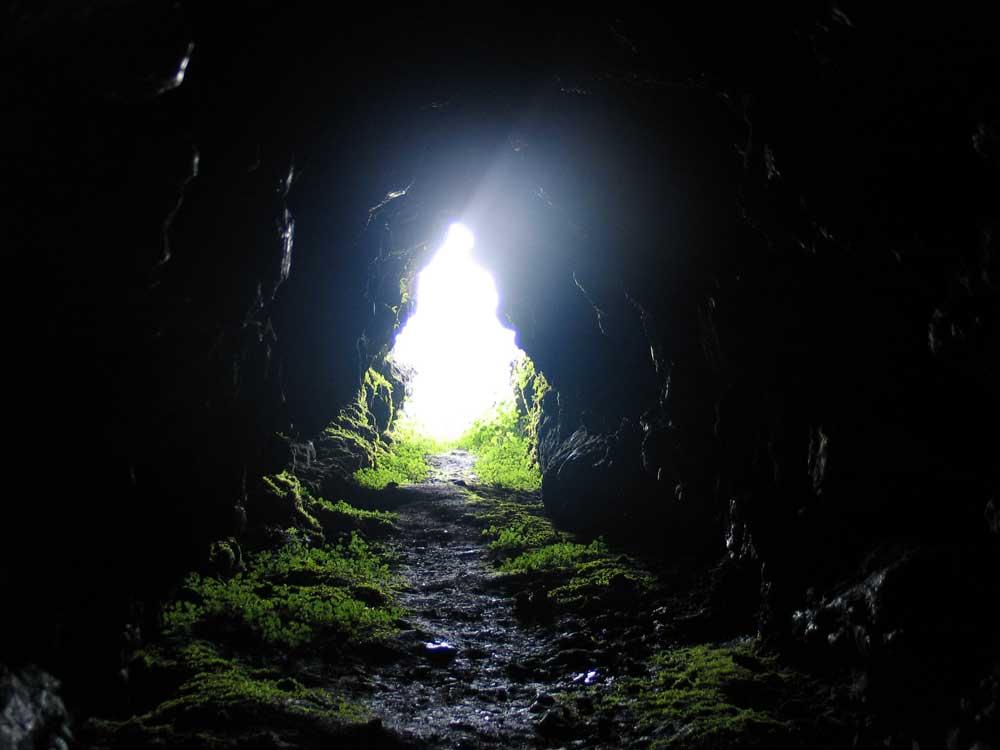
Higher along the cliffs are three less obvious caves, Coffey's Cave, Plunkett's Cave and the twisting Water Gallery, which rises, falls and turns like the inside of a gut. Several of the caves interconnect.
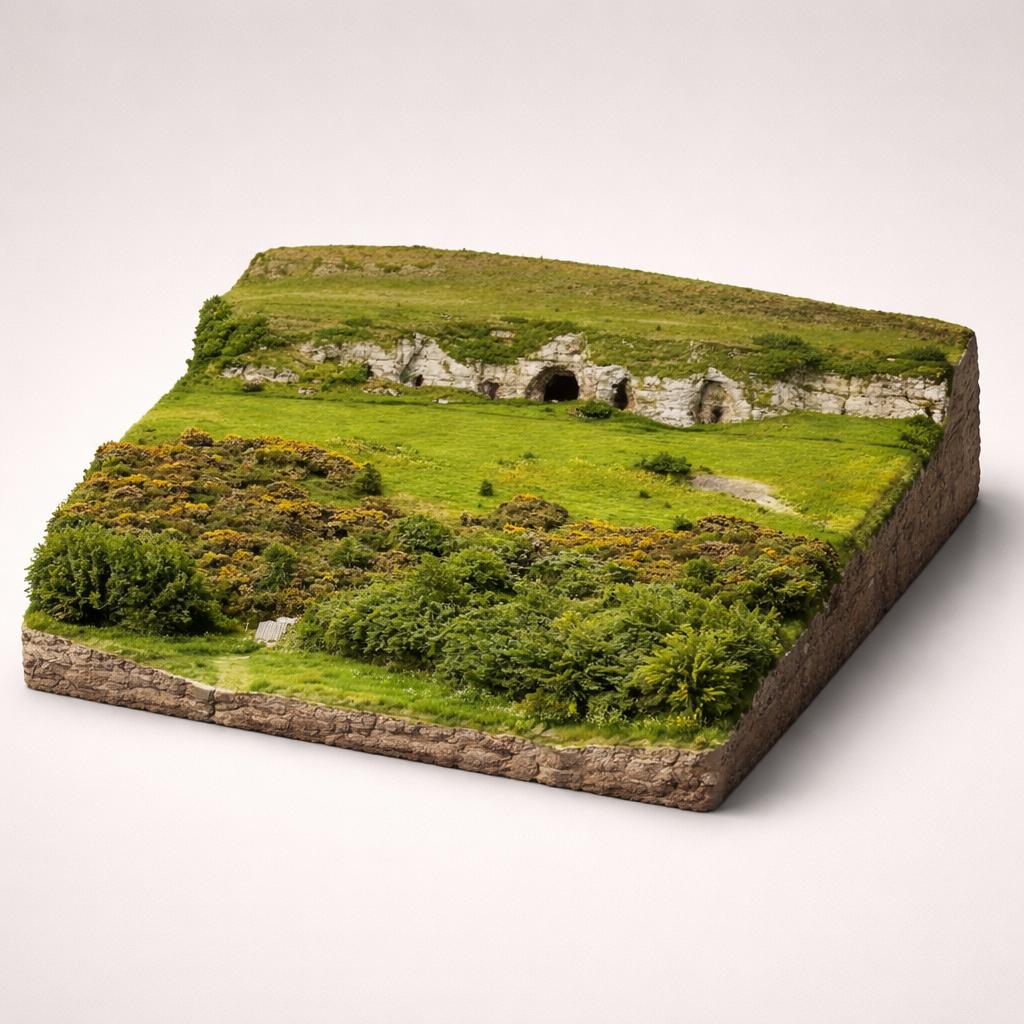
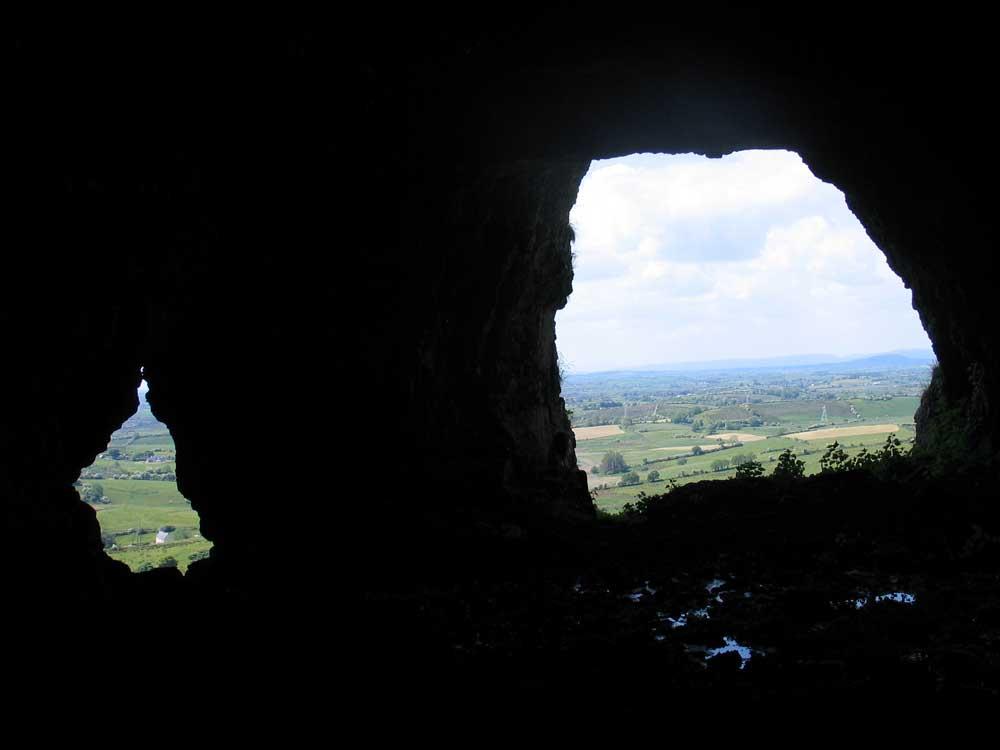
A line of caverns cut across the west face of Keshcorran Mountain, high above the Sligo plain and woven through some of Ireland's oldest legends. A short, steep climb from Keash village reaches them.
Higher along the cliffs are three less obvious caves, Coffey's Cave, Plunkett's Cave and the twisting Water Gallery, which rises, falls and turns like the inside of a gut. Several of the caves interconnect.
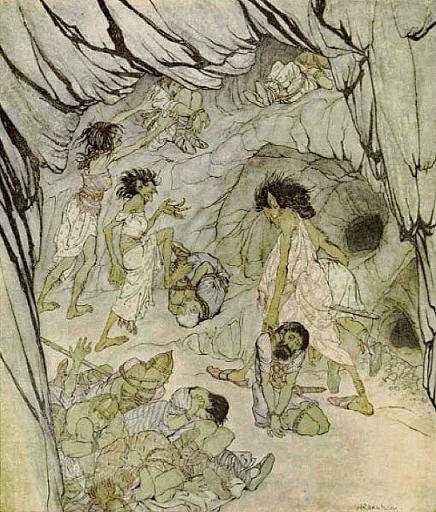
These caves run through Irish myth: the infant Cormac Mac Airt was reared by a wolf in one, Fionn and the Fianna were trapped here by three hags, and the fairy king Conaran ruled the hill.
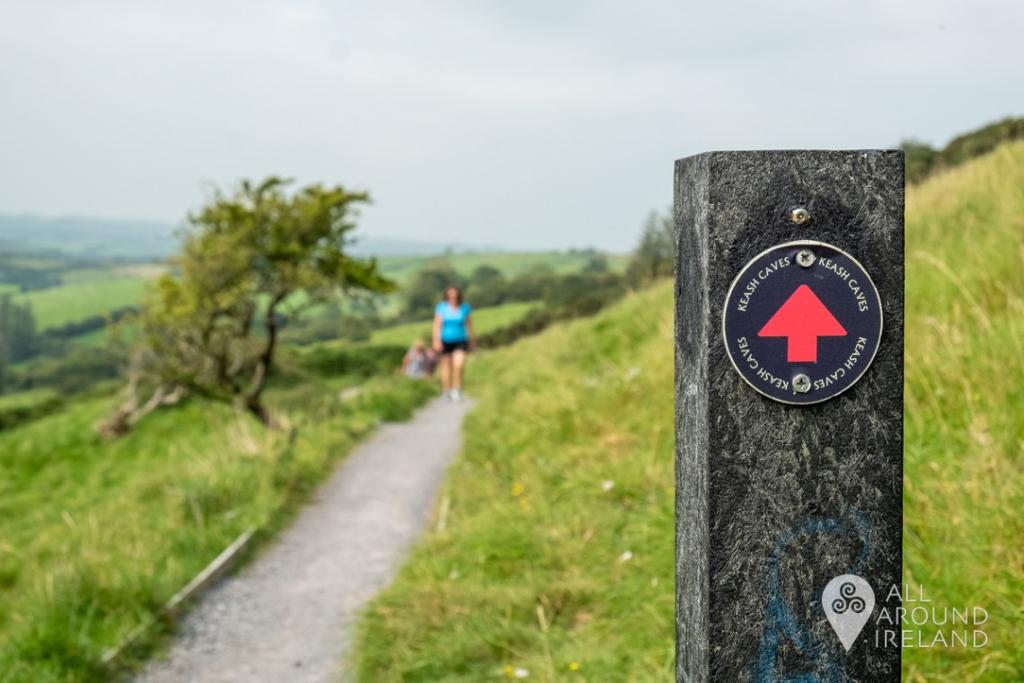
A 3.4 km waymarked upland walk (red arrows) starts from the car park by the church in Keash and climbs to the caves in roughly 20 minutes. It is graded strenuous: one short section is steep, with loose gravel and some steps.
The largest cave, Cormac Mac Art's Cave (also the Hermit's Cave), has a cross-shaped interior and a huge mouth framing views across Sligo, Mayo and Galway to Croagh Patrick and Nephin. Bring a torch; the floor is rocky and uneven.
Every cave opens west, so they catch the setting sun, and around the equinoxes light floods far back into the deepest chambers. Cormac's Cave looks out over tiny Feenagh Lough.
Carry on to the flat summit for the Pinnacle, an unopened Neolithic cairn about 27 m across and the highest cairn in County Sligo, known locally as Fionn MacCumhaill's Chair.
Load the interactive map to explore this place location.