Explore the abbey ruins
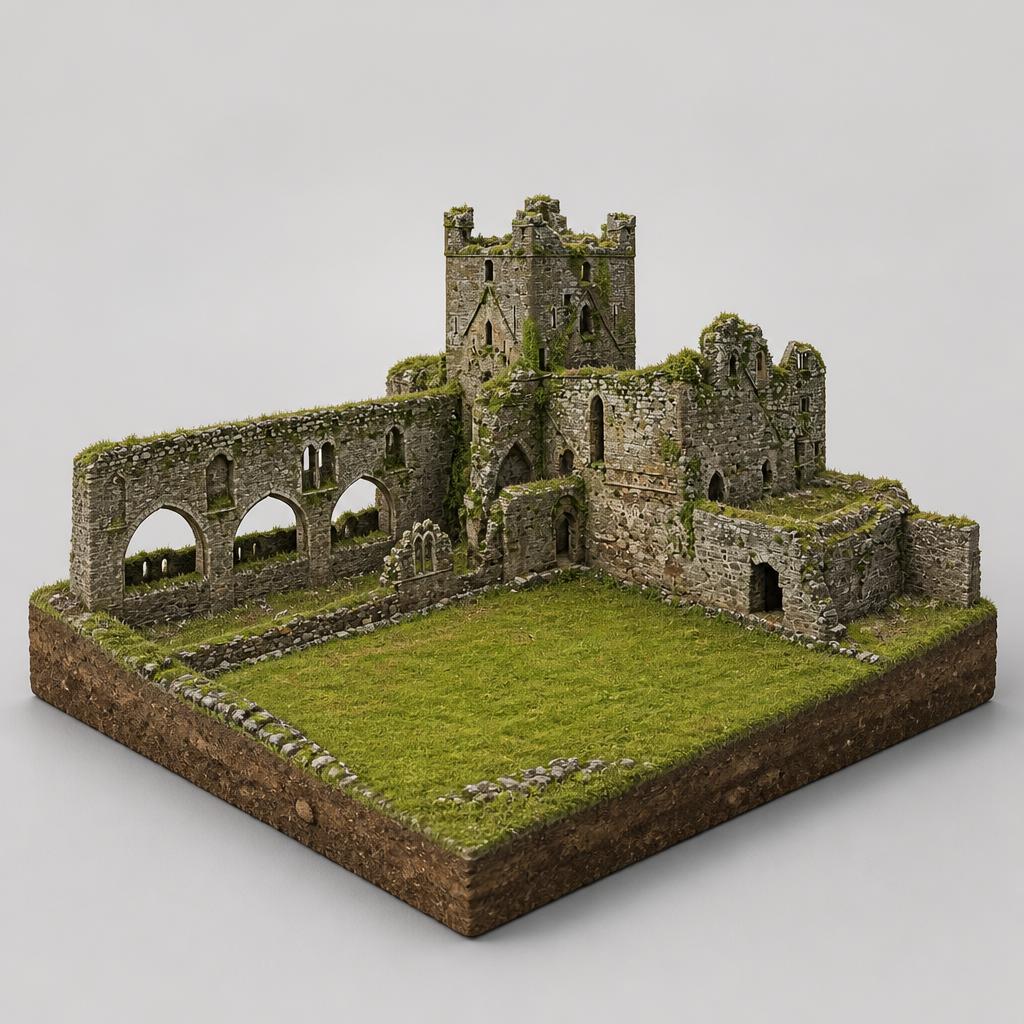
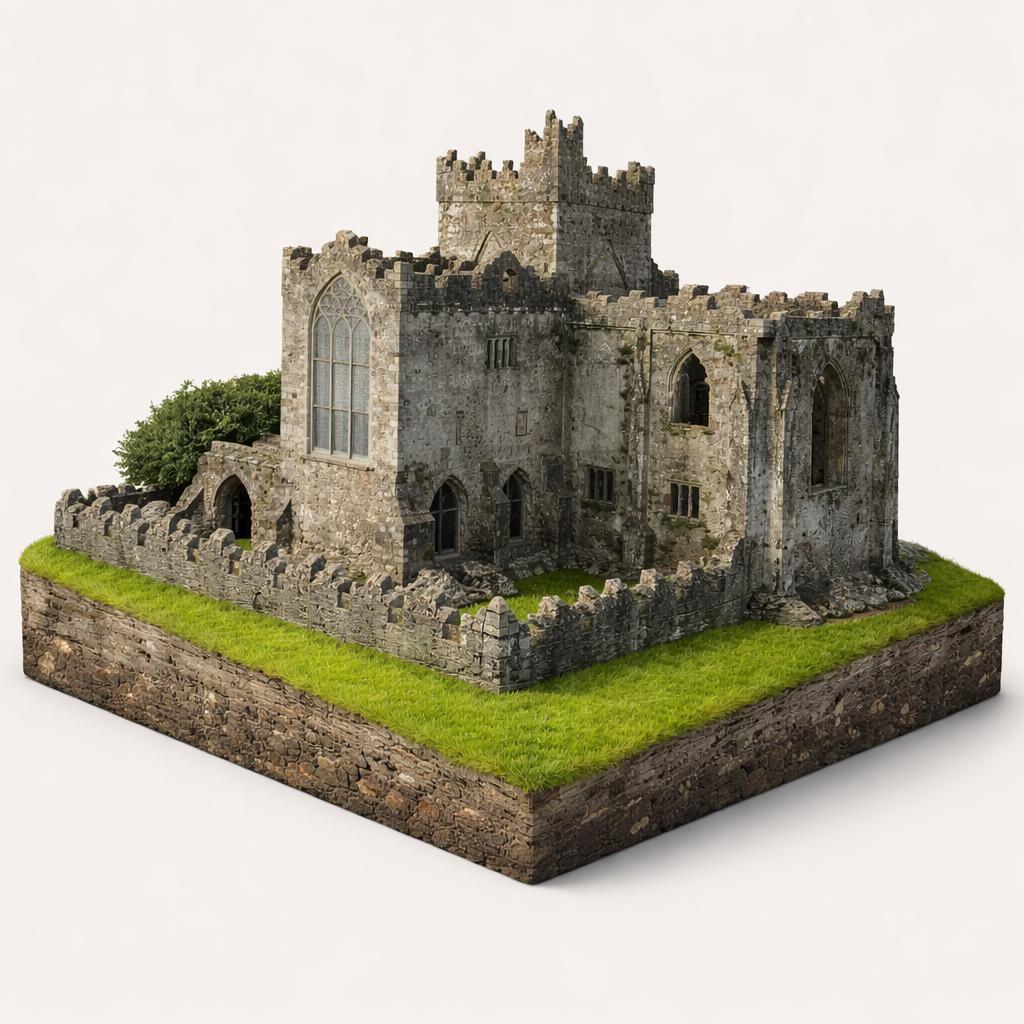
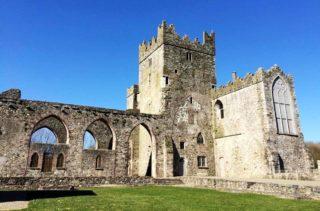
The nave, chancel, tower, chapel and cloister of the 1200 Cistercian monastery still stand, cared for by the OPW. Guided tours are offered, or you can wander on your own.
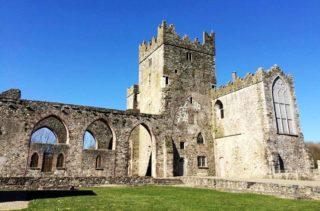
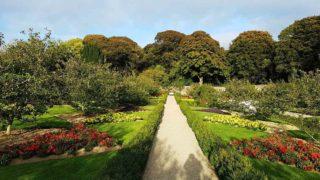
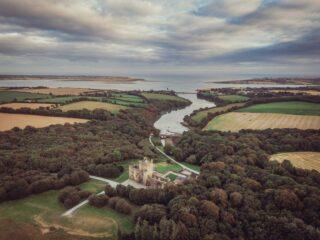
Founded around 1200 by William Marshal and later turned into the Colclough family home, Tintern Cistercian Abbey still stands beside a restored Georgian walled garden on the shore of Bannow Bay.
The nave, chancel, tower, chapel and cloister of the 1200 Cistercian monastery still stand, cared for by the OPW. Guided tours are offered, or you can wander on your own.
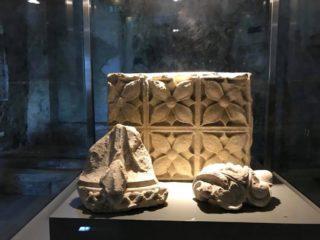
Look high on the outside walls of the chancel for the decorated corbel tables with 22 carved heads of humans, monsters and fantastical hybrids. The cloister kept the abbot's seat and collation bench.
After the dissolution, the church became a private dwelling. The Lady Chapel kitchen chimney survives, and the family library has a 19th-century Gothic window with views to Bannow Bay, a 16th-century bridge and a limekiln.
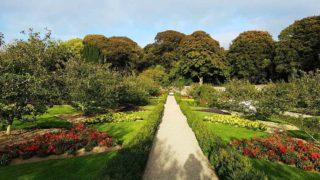
This 2.5-acre Georgian garden, restored to its 1830s layout, is split into ornamental and kitchen halves with a stream crossed by five bridges. A combined abbey-and-garden ticket can be bought at reception.
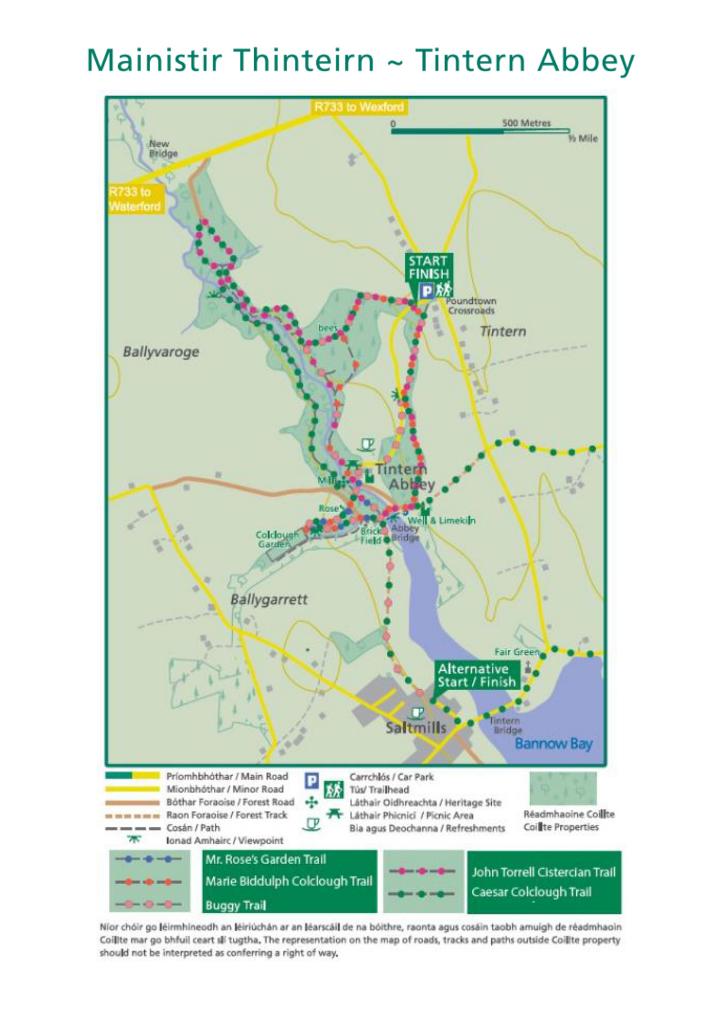
Four looped walks start at the abbey trailhead: the 0.9 km Gardeners Trail, 2.4 km Tintern Demesne Trail, 3.5 km Foxboro Trail and the 7.2 km Bannow Bay Trail. Suitable footwear is advised on the rougher routes.
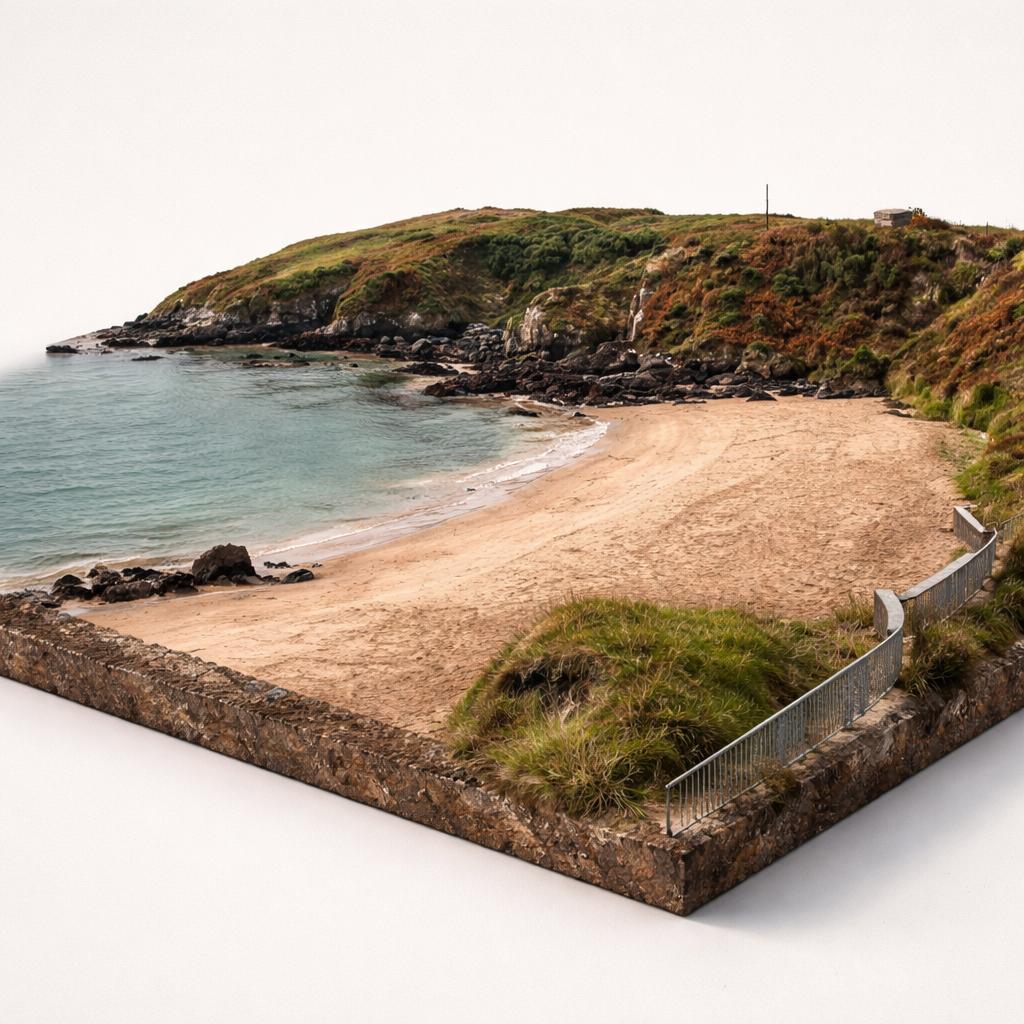
A short stroll reaches a rare 16th-century three-arched bridge and the ivy-covered shell of an 18th-century flour mill. Bannow Bay, where the Normans landed in 1169, is a prime spot for waders, shelduck and Brent geese.
Load the interactive map to explore this place location.