Join a 30-minute guided tour
Guides explain how this Mellifont foundation became one of the most important Cistercian houses in Connacht, and how it survived the onslaughts of its history up to occupation by Cromwell's forces in 1659.
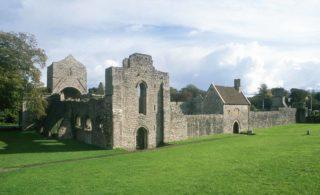
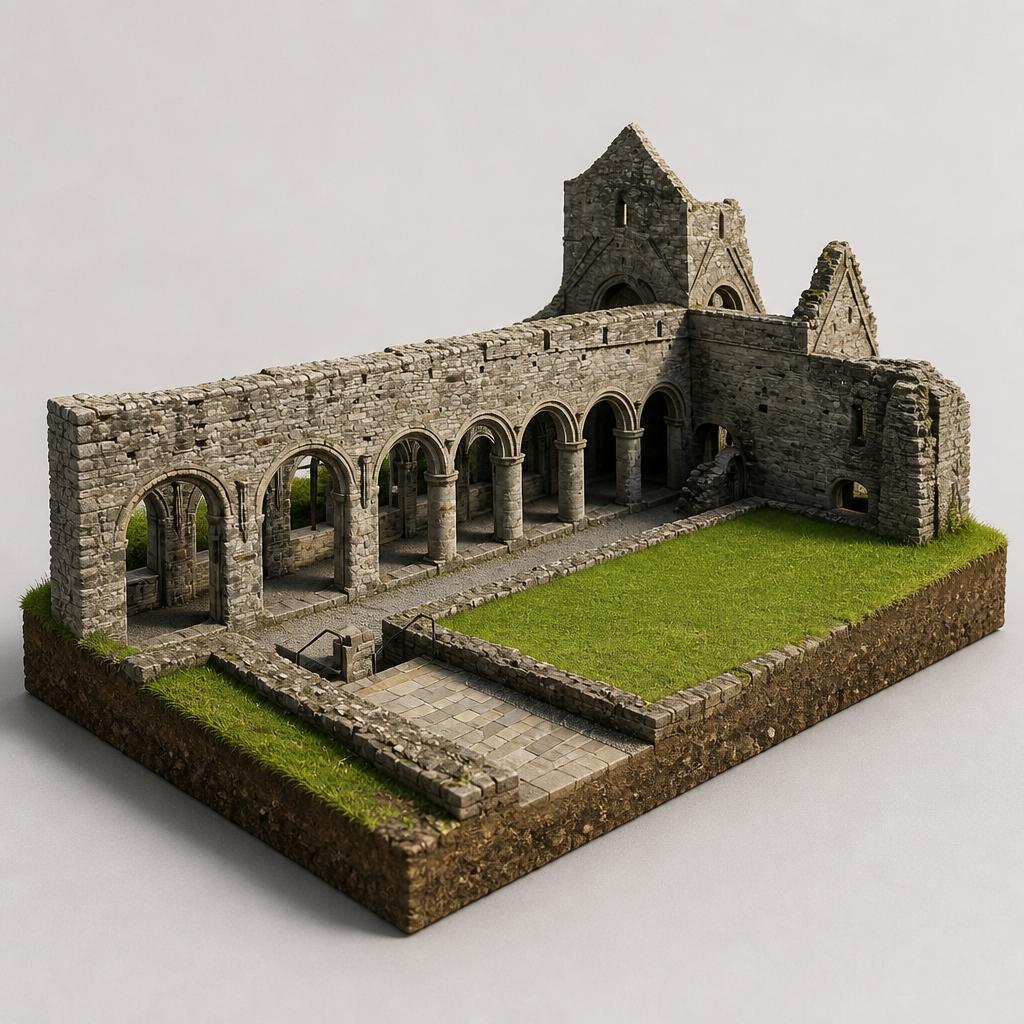
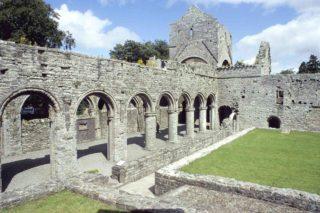
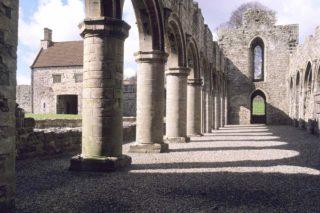
A Cistercian monastery founded over 800 years ago, Boyle Abbey keeps a striking set of Romanesque-to-Gothic arches, an echoing Whispering Arch and a restored gatehouse exhibition, all in the middle of a small Roscommon town.
Guides explain how this Mellifont foundation became one of the most important Cistercian houses in Connacht, and how it survived the onslaughts of its history up to occupation by Cromwell's forces in 1659.
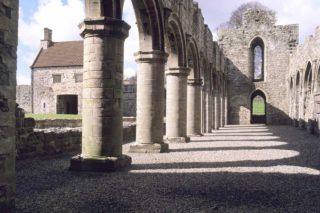
Walk the cloister, once the abbey garden, and stand among the arches of the church. The north wall was painstakingly dismantled and rebuilt by a team of experts, securing the ruin for the future.
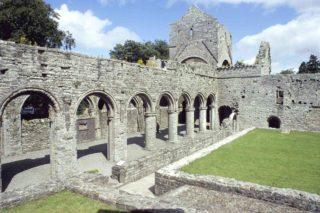
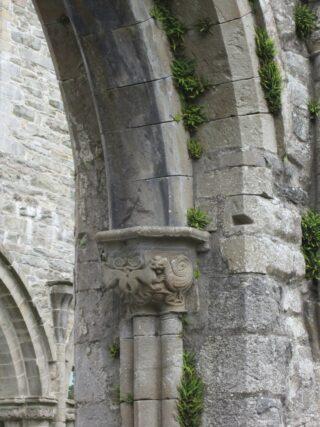
Boyle's arches are in the unusual transitional style that flourished as Romanesque gave way to Gothic, part of the distinctive thirteenth-century School of the West. Look too for work by the skilled, unknown Ballintubber Master.
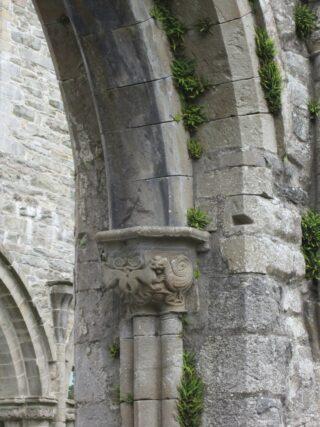
Two possible Sheela-na-gig carvings survive - one in the left-hand corner as you enter the building, the other, defaced, further along the nave. The carved capitals include one with two cockerels.
Inside the church, the Whispering Arch is a favourite with visitors. Take your time: there are steps to climb and the pathways are sometimes uneven.
The restored sixteenth/seventeenth-century gatehouse is now an interpretive centre, with history panels and a model of the abbey, guest house, abbot's house and graveyard. Note that the stairs up are very steep and uneven.
A stone's throw from the church stands Abbeytown Bridge, one of the oldest surviving stone bridges in Ireland. In Boyle town you can also visit the Georgian King House or Lough Key Forest Park.
Load the interactive map to explore this place location.