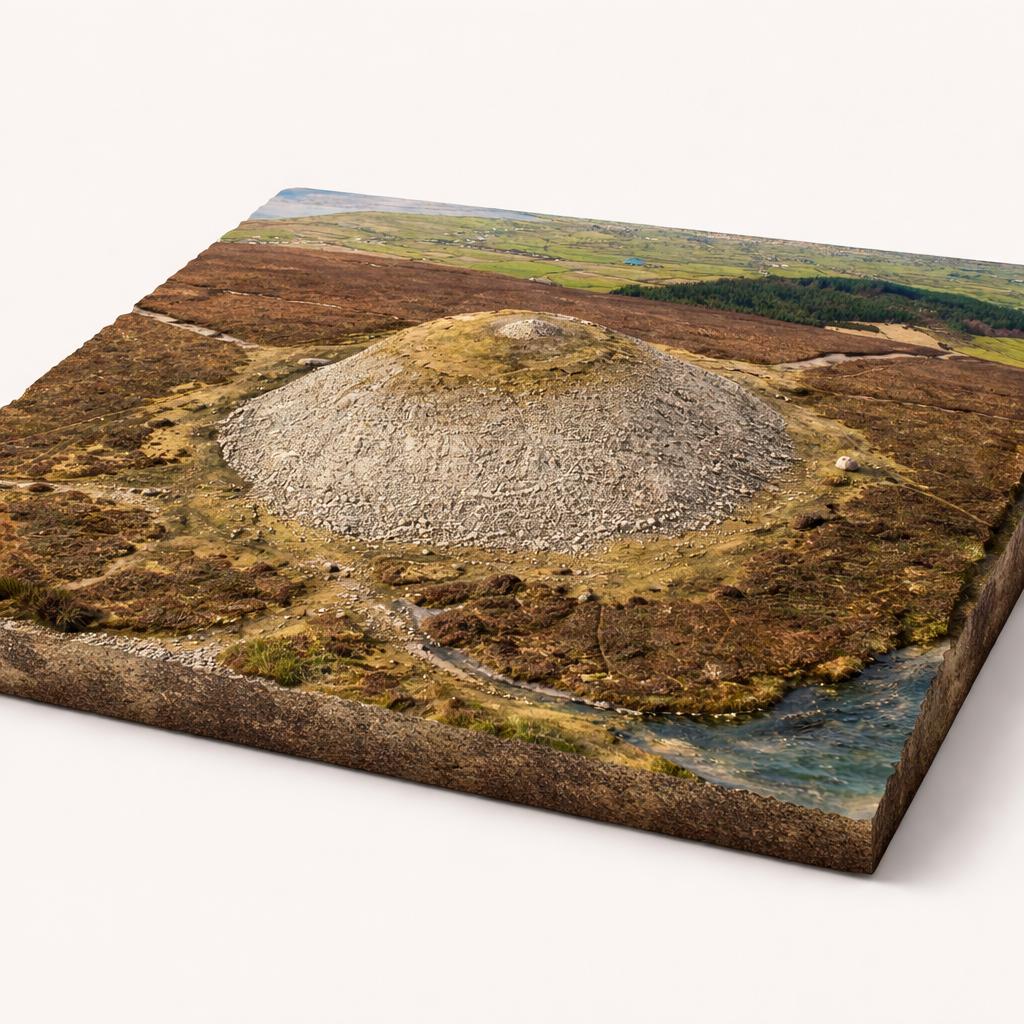
The holy well and stream
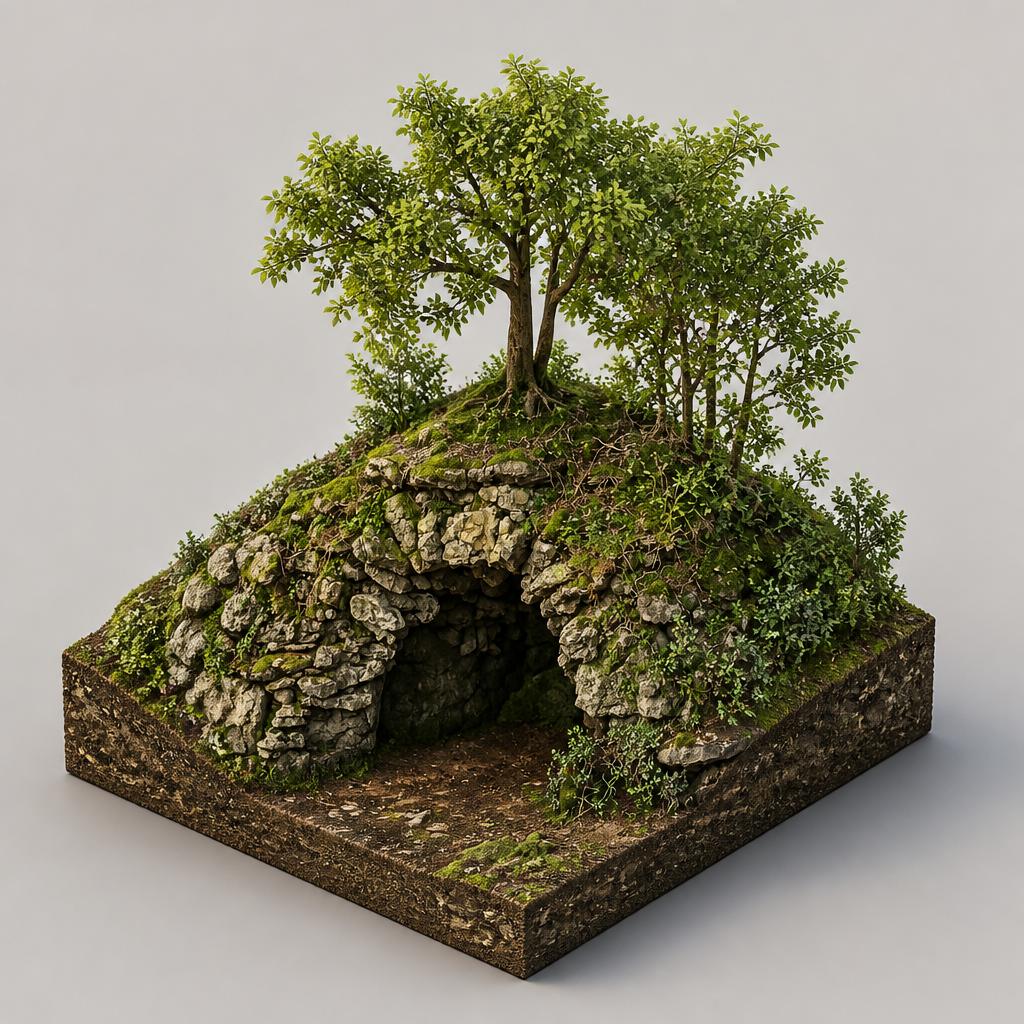
The spring rises from beneath a cliff face in a wooded grove, and its waters are credited with cures. It was christianised in the 5th century from an older pagan Lughnasa meeting place.
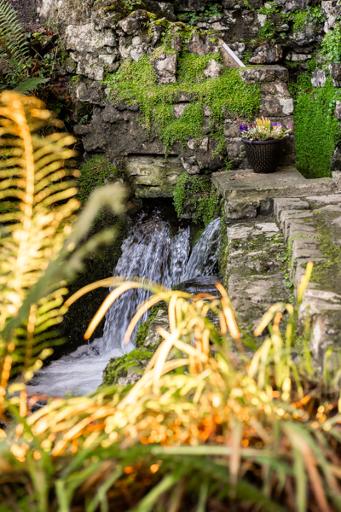
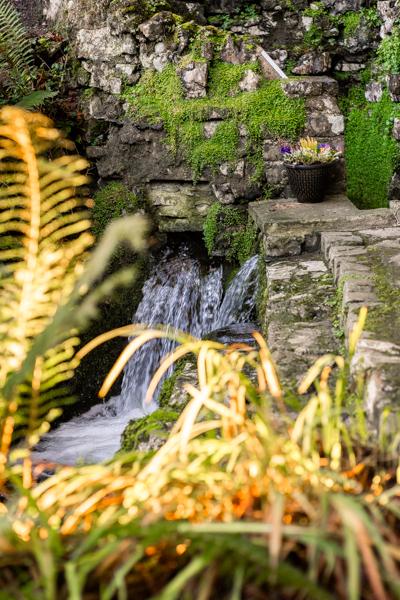
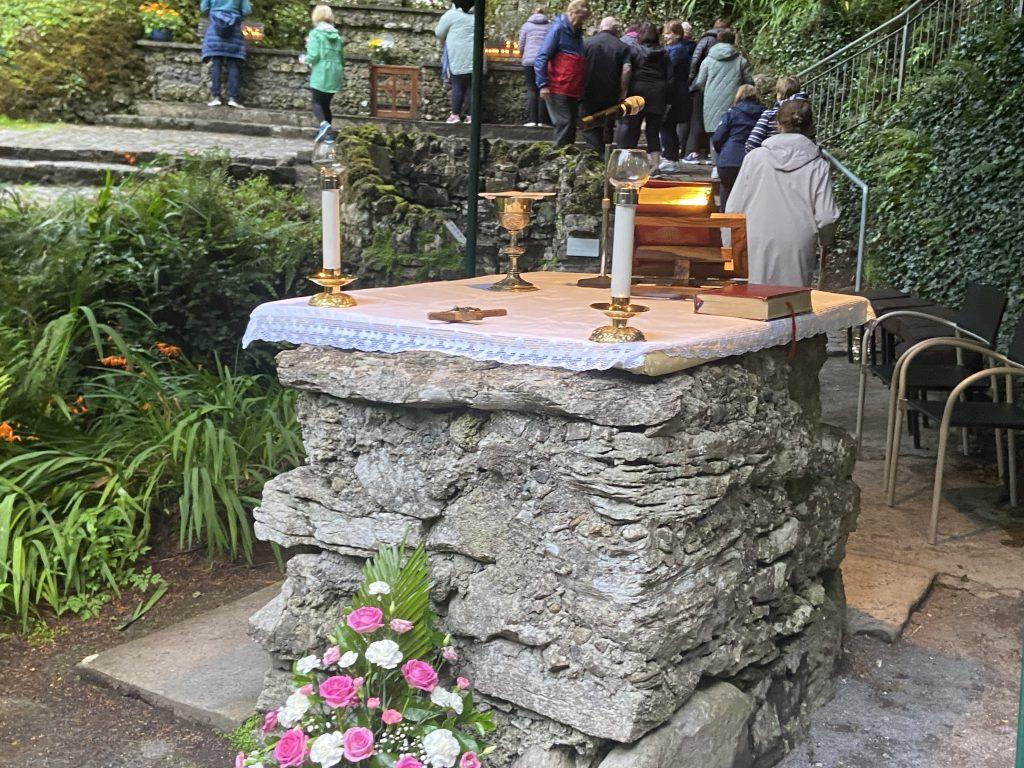
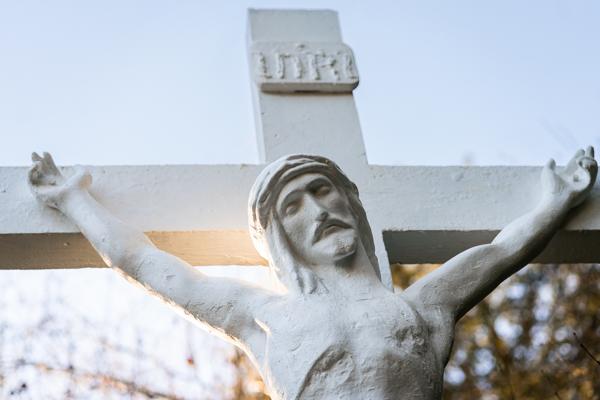
A natural spring issuing from beneath a wooded cliff near Lough Gill, Tobernalt has drawn pilgrims since early Christian times and is still a working place of prayer — free, and open day and night.
The spring rises from beneath a cliff face in a wooded grove, and its waters are credited with cures. It was christianised in the 5th century from an older pagan Lughnasa meeting place.
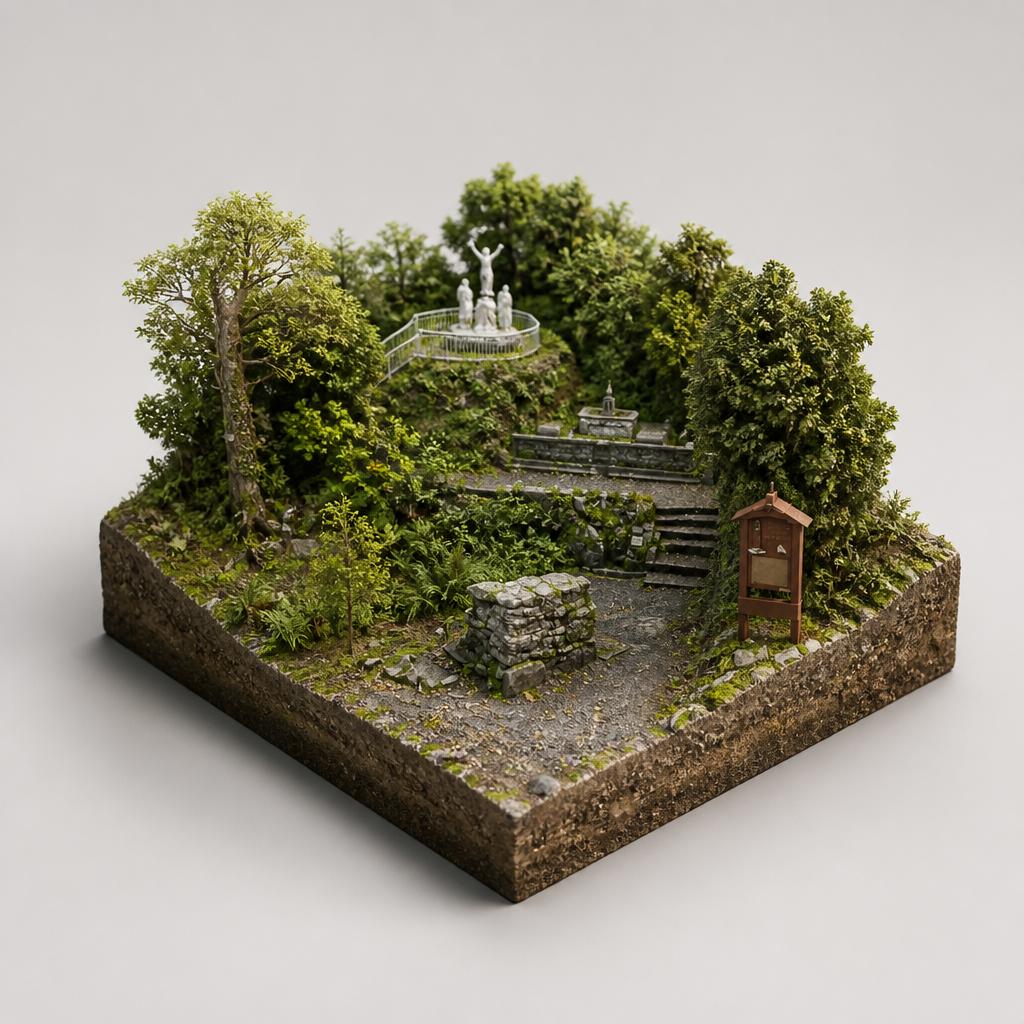
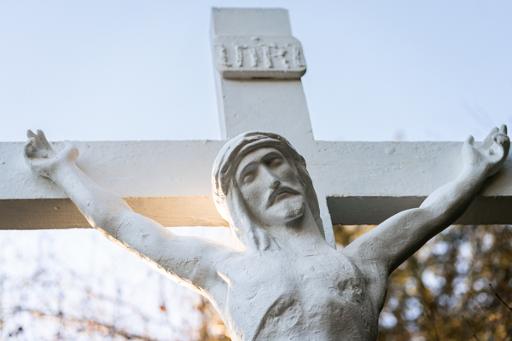
A stone altar cut beside the stream was used for secret Masses during penal times. Around it stand a replica penal cross and shrines to Our Lady of Lourdes, St Anne and the Crucifixion.
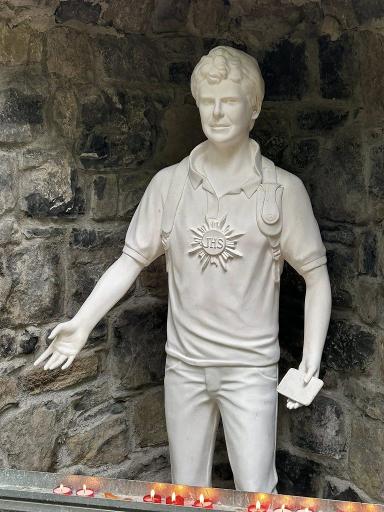
A newer shrine honours Carlo Acutis, the Italian teenager canonised in 2025, whose life the parish offers as an example to younger visitors.
The year's focus is the last Sunday of July, when Masses are celebrated at the well; the 2026 celebrations run from 24 to 26 July, themed 'Hope – Looking for New Light'.
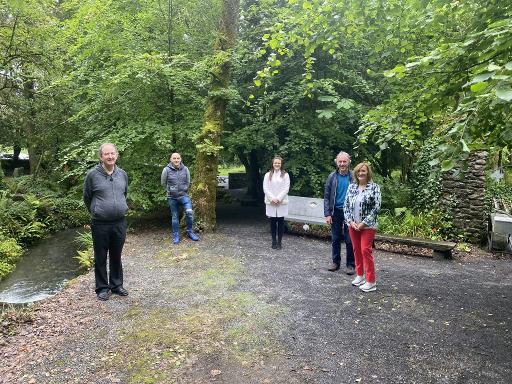
A short level path leads from the roadside into the dell, following a fast-flowing stream past the prayer stations. There are no steep climbs and the entrance is wheelchair accessible.
The Rosary Rock is one of the main stopping points, and the rag tree carries rags, clooties and rosary beads tied on by visitors — a pagan custom folded into Christian practice.
Load the interactive map to explore this place location.