Lough Hyne Exhibition
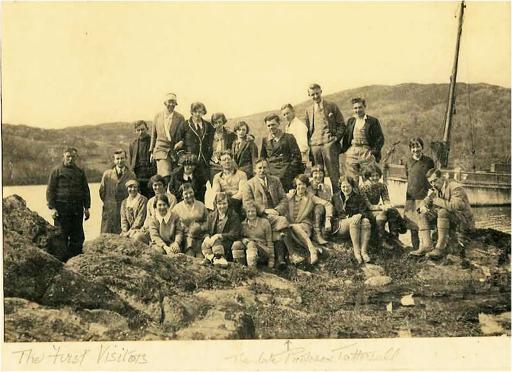
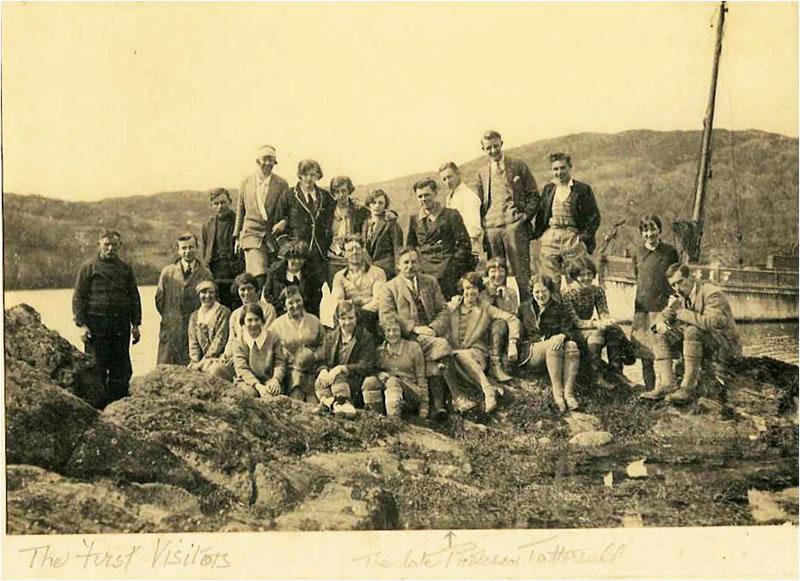
A 15-minute audio-visual presentation in English, French and German covers the salt-water lake's history, folklore and long record of marine research. Lough Hyne was designated Ireland's first Marine Nature Reserve in 1981.
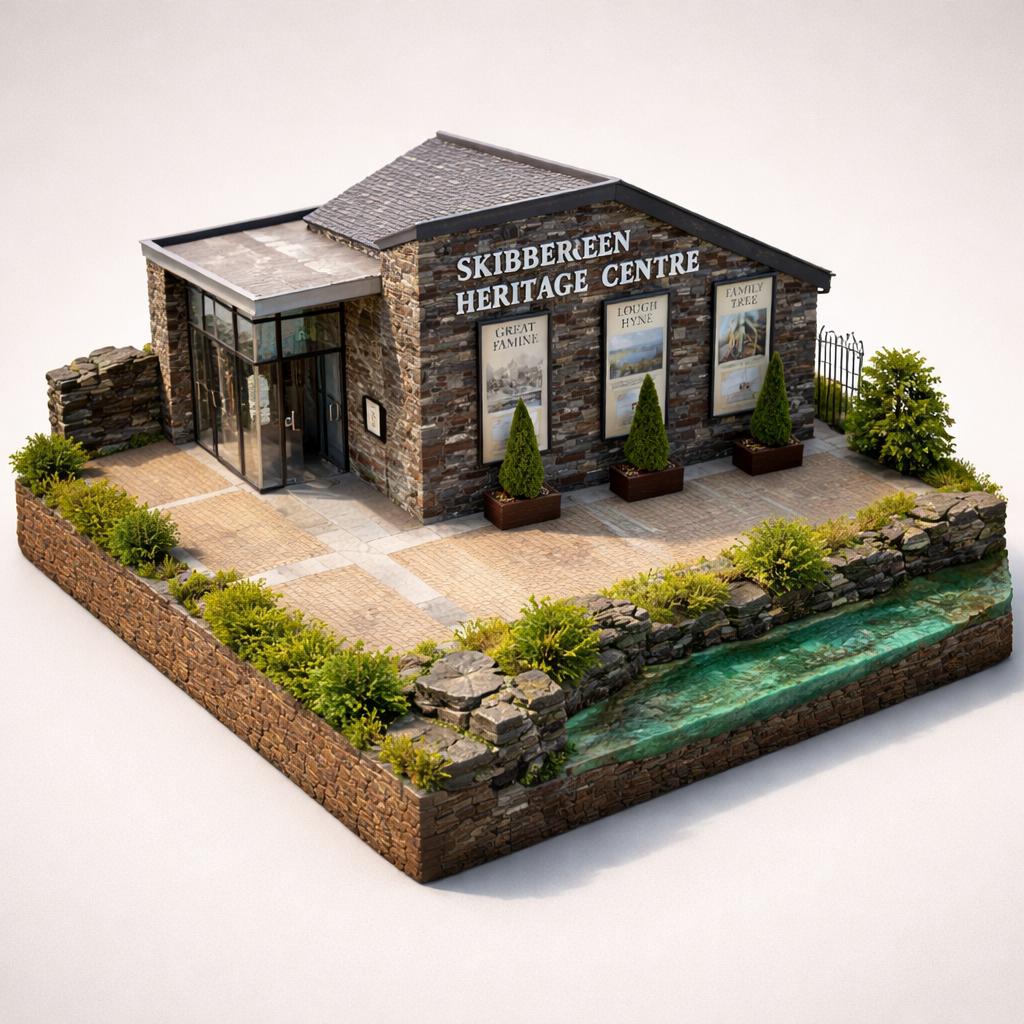
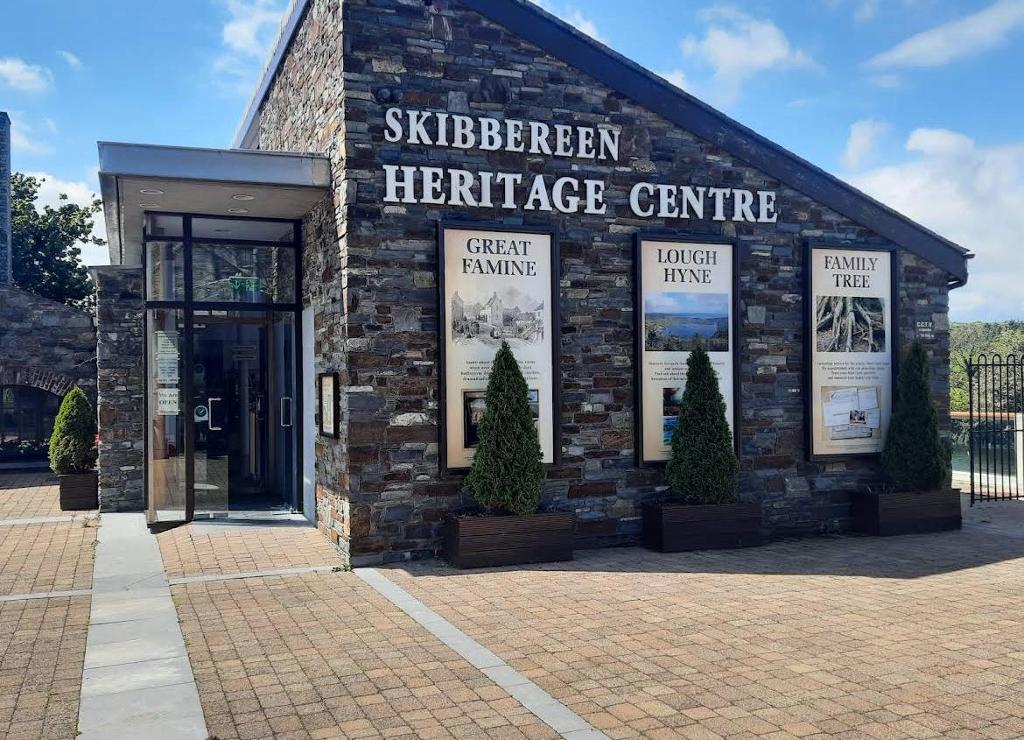
A small West Cork museum in the old gasworks where Ireland's Great Famine is told through the people of Skibbereen, with a second exhibition on Lough Hyne, Ireland's first marine nature reserve.
A 15-minute audio-visual presentation in English, French and German covers the salt-water lake's history, folklore and long record of marine research. Lough Hyne was designated Ireland's first Marine Nature Reserve in 1981.
In-house genealogist Margaret uses census, land, church and newspaper records from a database of over 600,000 local records. One-hour consultations cost €75 and must be pre-booked.
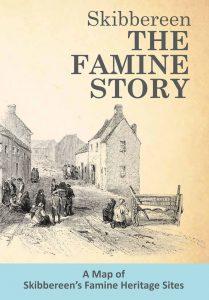
The 'Skibbereen: Famine Stories' map marks buildings and streets with direct links to the Great Hunger and can be used with a companion app. It costs 50c for visitors, €1 for non-visitors.
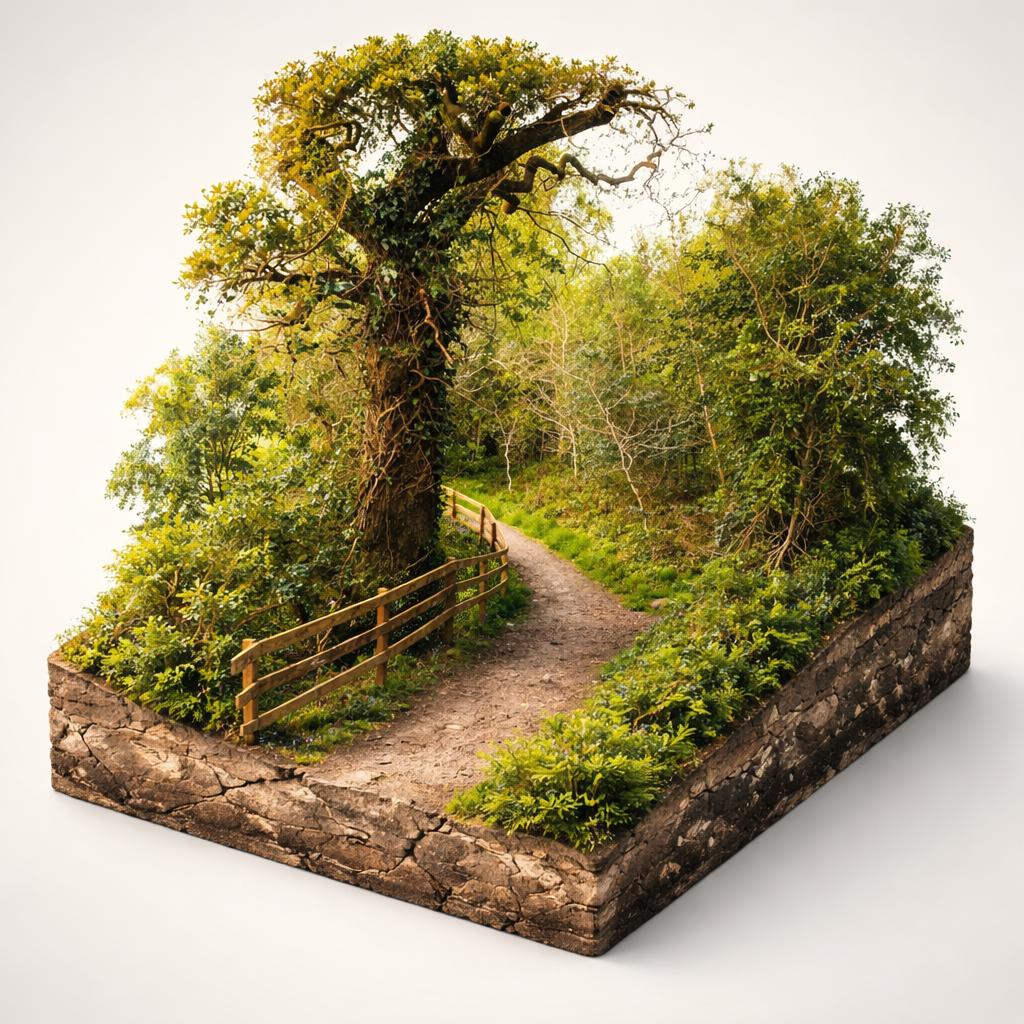
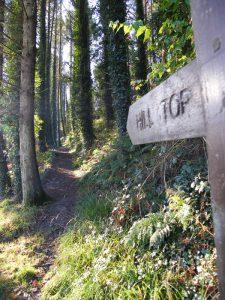
The nature trail up 197m Knockomagh Hill above Lough Hyne takes about an hour and gives one of West Cork's finest views. A trail leaflet is available to download.
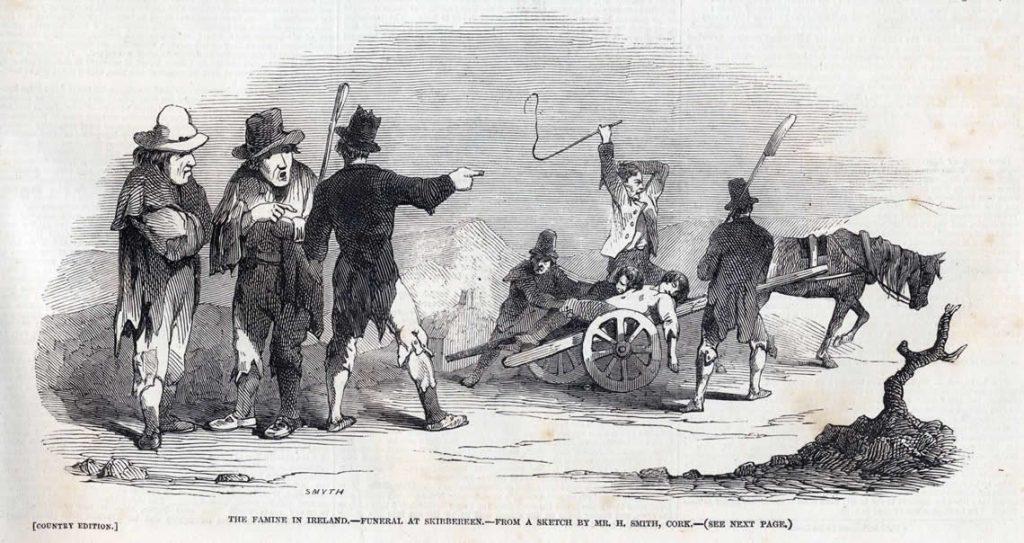
Skibbereen lost over a third of its people during the Famine and the town became a byword for the disaster. Personal accounts, dramatisations, interactive stations and subtitled audio-visuals (French, German and Irish) tell the story.
Groups get a guided tour of the Famine Exhibition by a tour guide/historian, built around the group's interests, with special rates for parties over ten. Groups must be pre-booked by phone.
Load the interactive map to explore this place location.