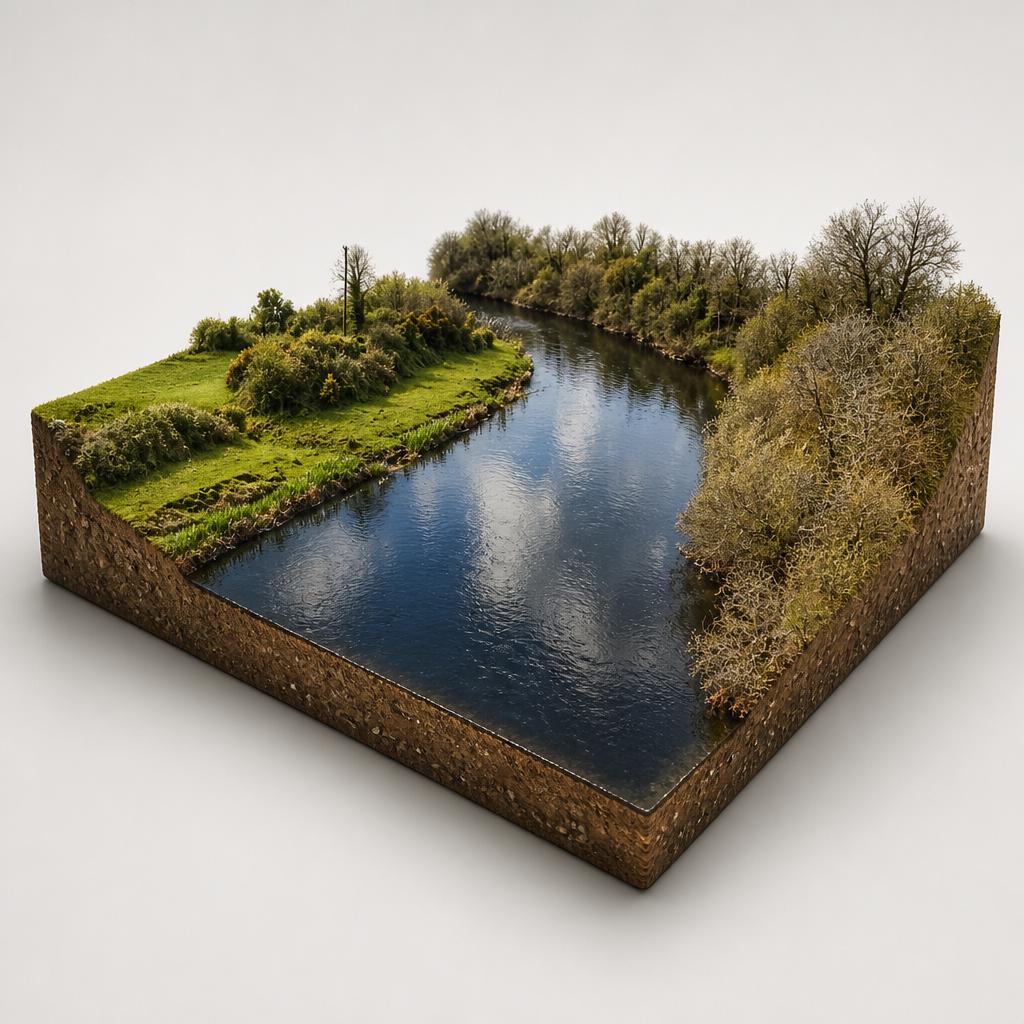
Guided tour and audio-visual show
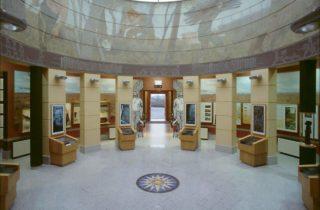
Access to the trackway is by guided tour only, so plan around a tour time; the last one leaves at 17:00. An audio-visual show and information panels explain the togher, the bog and how the site was excavated.
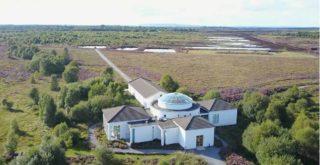
Hidden in the Longford boglands is the best-preserved Iron Age road in Europe — a 2,000-year-old oak togher built in 148 BC, with an 18-metre stretch displayed indoors and looped trails across the peat that saved it.
Access to the trackway is by guided tour only, so plan around a tour time; the last one leaves at 17:00. An audio-visual show and information panels explain the togher, the bog and how the site was excavated.
Easy looped walking trails cross the bog beside the centre, passing four artificial lakes that keep the peat wet enough to preserve it. Watch for bog cotton, dragonflies and sphagnum moss; allow about 1 hr 30 mins for the walk.
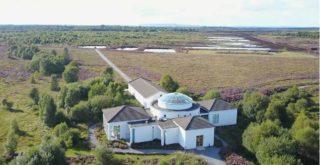
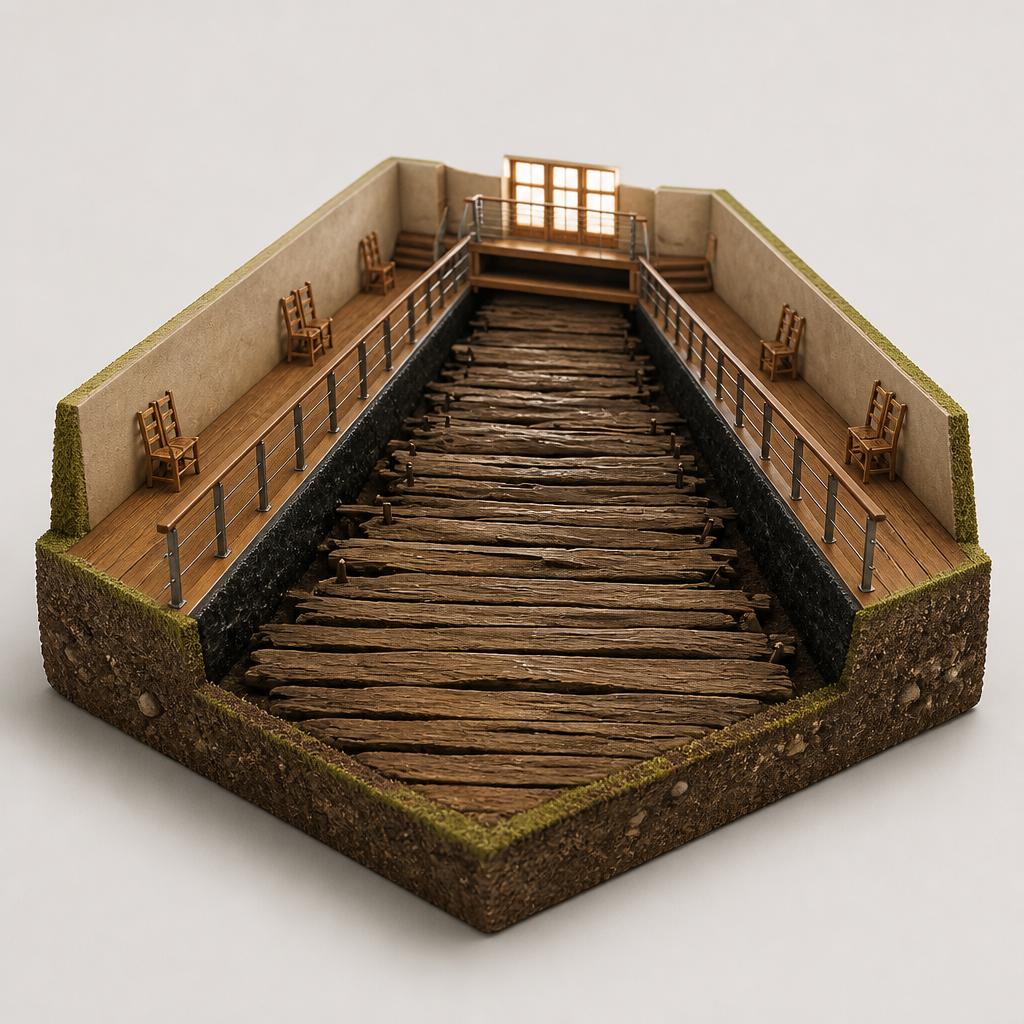
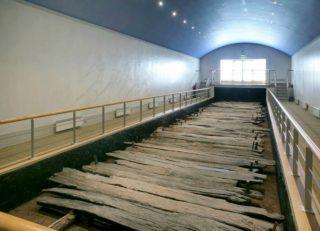
The centrepiece is an 18-metre stretch of oak roadway laid across the bog in 148 BC, displayed in a hall built to preserve it and billed as the largest Iron Age road of its kind in Europe. It was probably part of a ceremonial highway linking the Hill of Uisneach and Rathcroghan.
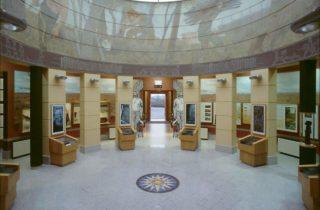
Pottery, arrowheads and weapons recovered from the bog are on display with notes on their origin, alongside murals showing how people lived and worked on this wetland.
Load the interactive map to explore this place location.