The uphill walk to the circle
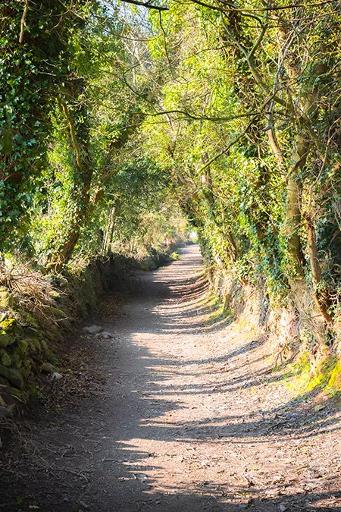
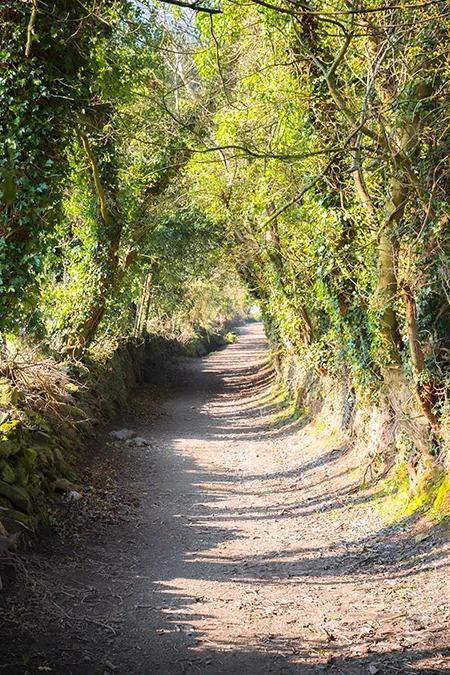
From a small parking pull-in beside local houses, a gravel path climbs roughly 320m through trees and gorse before opening into the pasture field. The ground inside the circle is very uneven, so stout footwear helps.
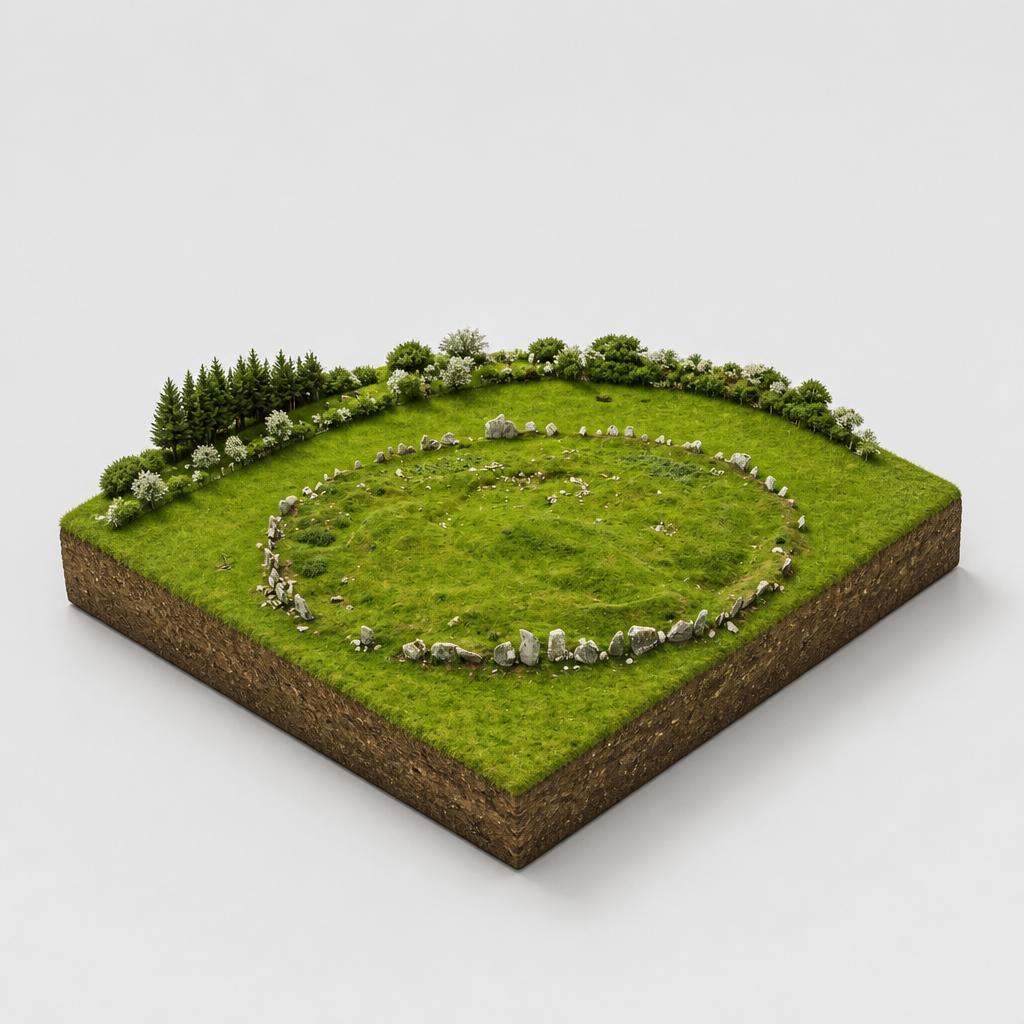
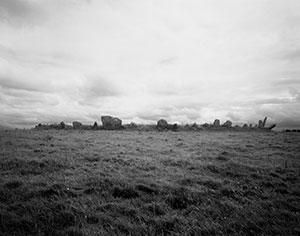
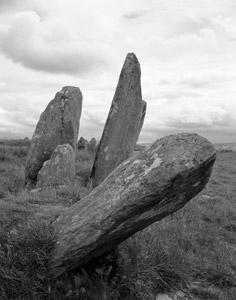
A vast Bronze Age ring of 64 standing stones crowns Tops Hill above Raphoe, wrapped around a mysterious raised mound that may predate the circle itself. It is one of the largest and earliest stone circles in the country, with sweeping views over Donegal's prehistoric landscape.
From a small parking pull-in beside local houses, a gravel path climbs roughly 320m through trees and gorse before opening into the pasture field. The ground inside the circle is very uneven, so stout footwear helps.
Sixty-four closely set stones, survivors of an original 80 or more, encircle a low hummocky platform that may be a ruined burial cairn or passage tomb. They range from ankle-high slabs to pillars over 2m tall, several threaded with quartz.
The triangular slab on the inner east side carries at least 43 cupmarks facing inward, and other stones bear ring-and-cup marks. The carvings sit on inner and outer faces and are easy to miss.
A solitary stone nearly 2m tall stands about 20m to the south-east of the ring. It may align with the winter solstice, while the tallest pillar in the west-south-west lines up with the cup-marked slab towards the Bealtaine sunrise over Tullyrap.
The circle sits on the 170m summit with broad panoramas across east Donegal, including the cairn on Croaghan Hill about 6km away. It is an exposed, windy spot, so bring a jacket.
A small carved stone head, possibly an Iron Age idol, was found at or near the circle and is now in the National Museum of Ireland. The Raphoe area has produced several such heads, known as the Raphoe Group.
Beltany anchors a dense cluster of local monuments, among them the passage-tomb cemetery at Kilmonaster and the cairn and hillfort on Croaghan Hill to the south.
Load the interactive map to explore this place location.