Timoleague Friary

Timoleague Friary
4.5 (1,143)
Timoleague Friary photo 1
Timoleague Friary photo 2
Timoleague Friary photo 3
See all
Timoleague Friary photo 4
See all

About

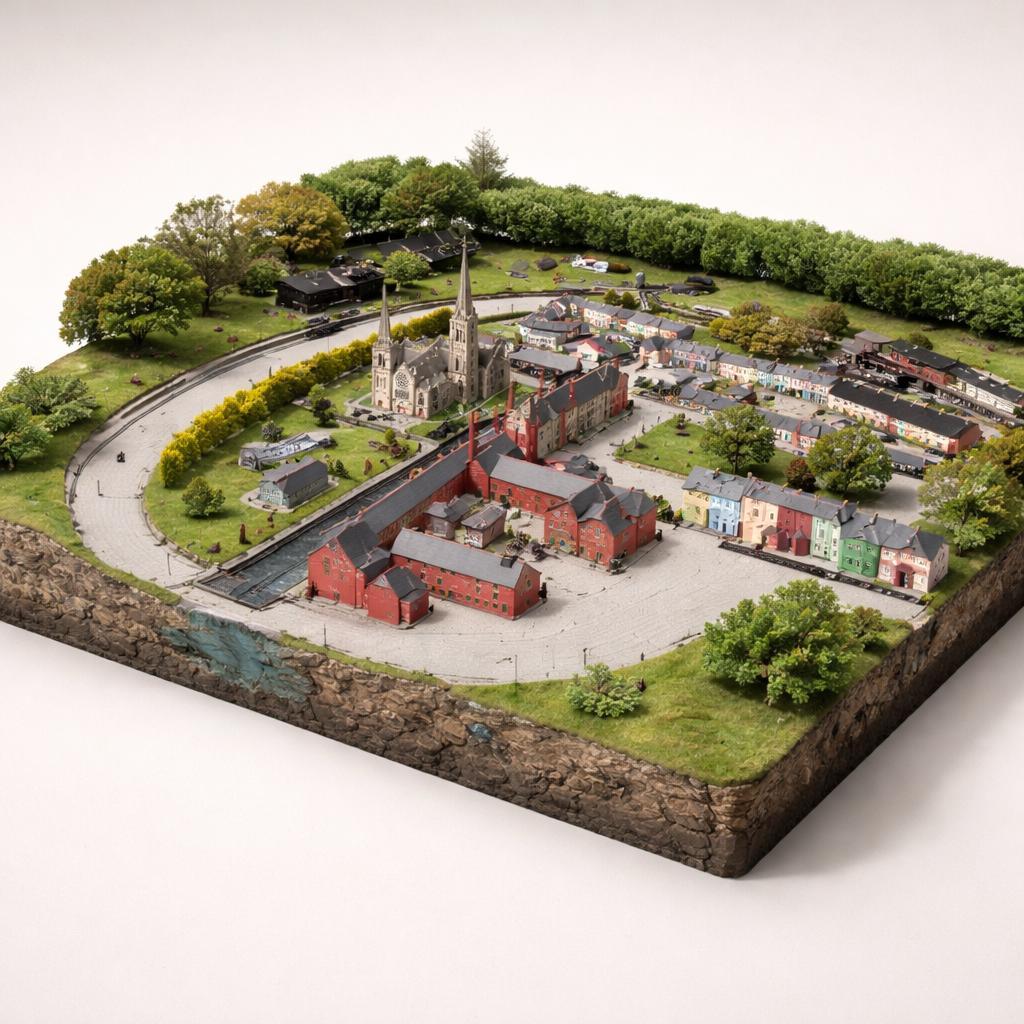
A sprawling Franciscan friary founded before 1316 on the banks of the Argideen River — the largest medieval religious ruin in West Cork. A state-owned National Monument in the care of the OPW, it is an unguided site with external viewing only; internal access is not permitted.

Things to Do

Views from the bridge and far bank

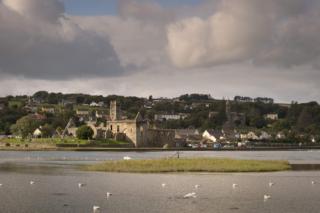
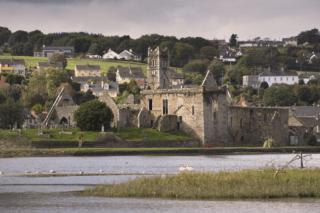
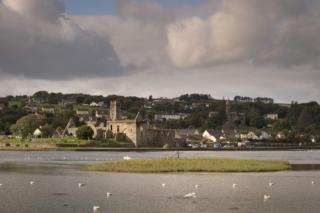
The friary is perched on a knoll above the river and looks best from across the water and from Timoleague's medieval bridge. The colourful village main street, the Catholic church with its stained glass and the estuary all frame the ruins.
Views from the bridge and far bank

The church, nave and bell tower

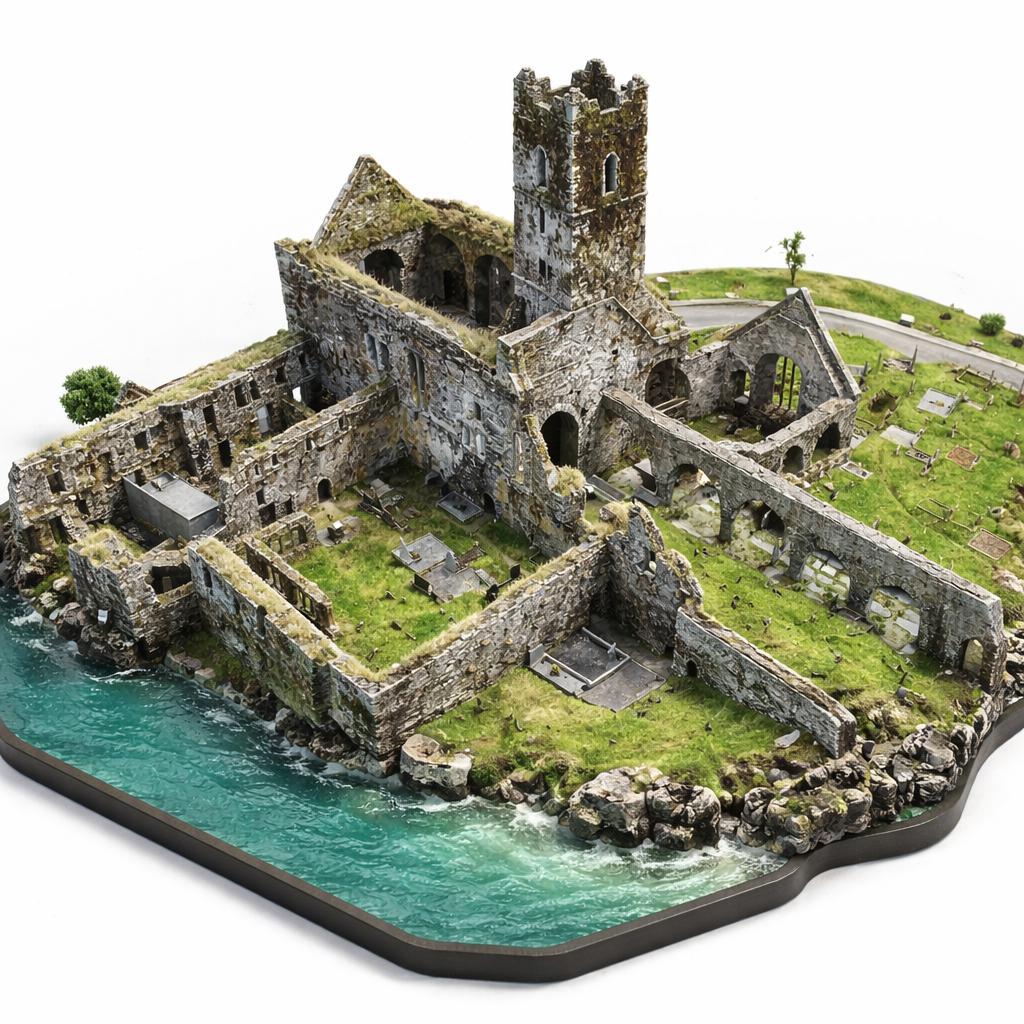
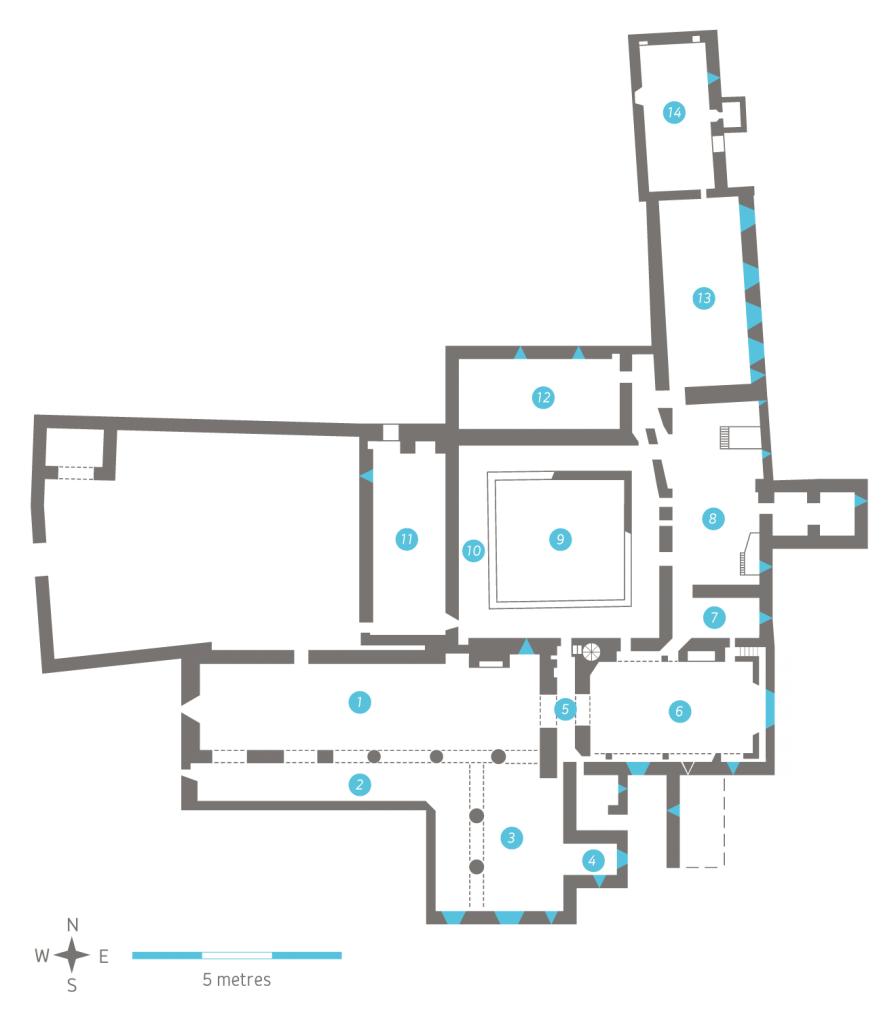
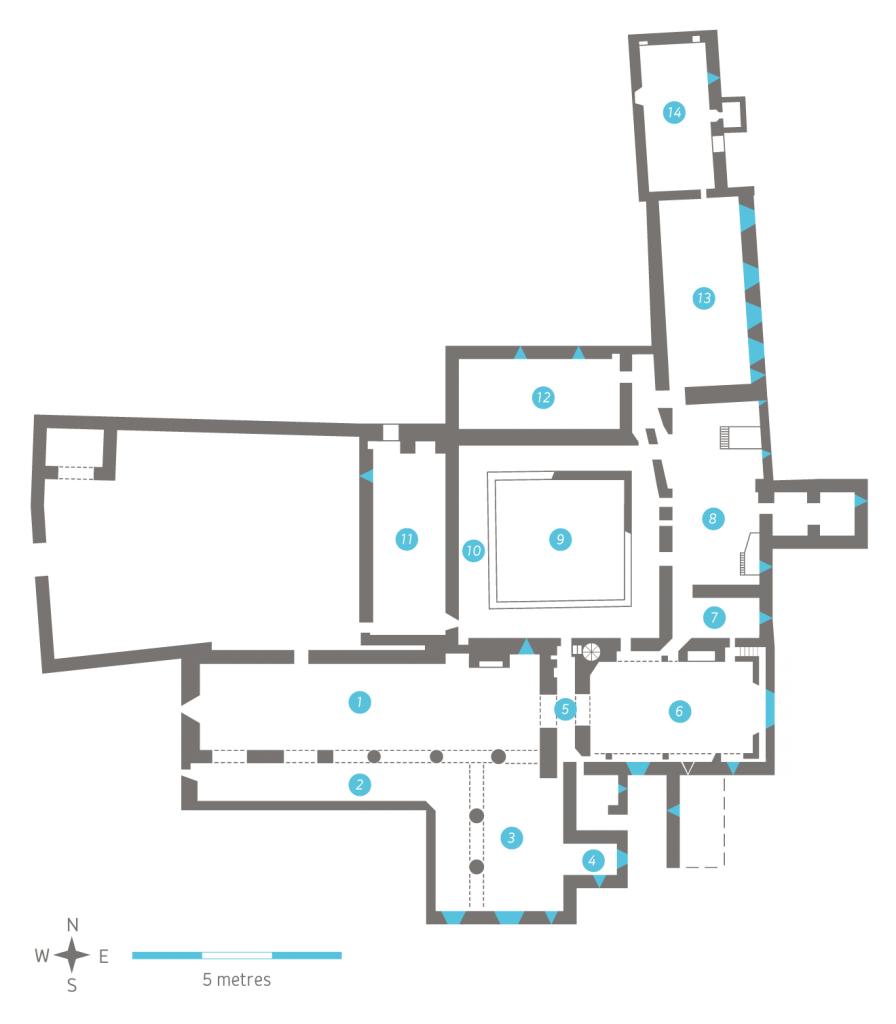
The Early English Gothic church still has its choir, sacristy, ambulatory and a substantial 15th-century tower added by Bishop John de Courcy. Look for the triple lancet east window, the massive arcade columns and the strange wall passages running through the choir walls.

Cloister and domestic ranges

The cloistral layout is unusually complete, with the cloister arcade, west and north ranges and the cellars in the east range still readable. One cellar led down to an outbuilding opening onto the river, so ships could deliver fish and goods directly to the friars.

Tombs, niches and gravestones

The friary became the burial place of the MacCarthy Reaghs, and William de Barry and Margery de Courcy are buried here too. Fifteen-century tomb niches survive in the nave and choir walls, and the graveyard is still full of inscribed stones worth half an hour of deciphering.

Find the wart well

A carved, hollow stone locally known as a 'wart well' sits on what may be the site of the sacristy. The village itself takes its name, Tigh Molaga, from St Molaga, whose earlier monastic settlement stood here.

Walk the old railway line

Locals recommend walking the estuary along what was once the old railway line to Courtmacsherry. Plan roughly 30 minutes to an hour for the friary itself.

Plan Your Visit

  • Parking: Car parking available on site, plus coach parking (free car park and free street parking in the village).

Getting Around

Map

Watch More

See it on the map

Load the interactive map to explore this place location.

Nearby places