Fore Abbey

Fore Abbey
4.7 (1,069)
Fore Abbey photo 1
Fore Abbey photo 2
Fore Abbey photo 3
See all
Fore Abbey photo 4
See all

About

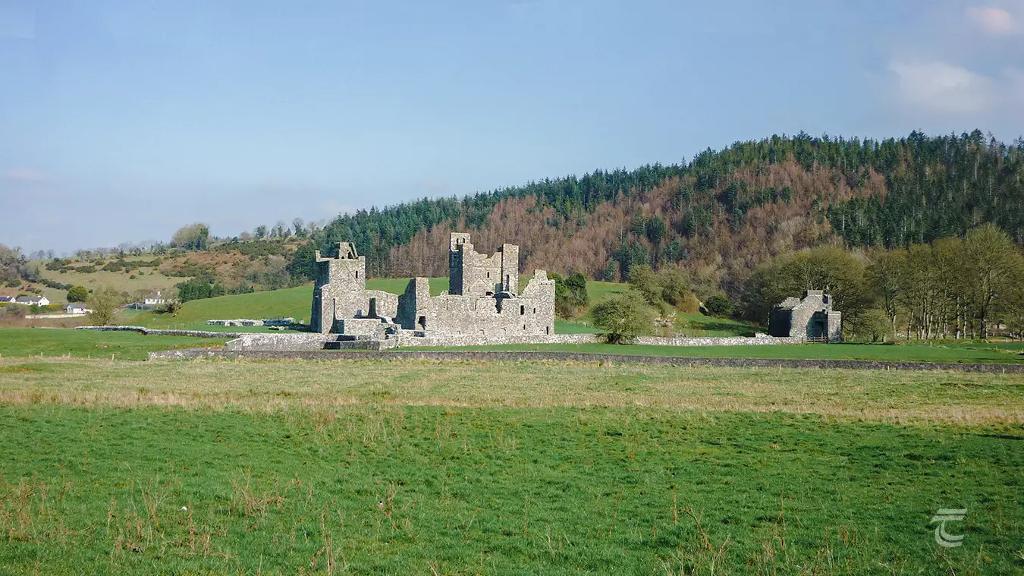
The evocative ruins of a 7th-century monastery set in a tranquil Westmeath valley, famed for the legendary Seven Wonders of Fore and the largest surviving Benedictine priory in Ireland.

Things to Do

Explore the Benedictine Abbey Ruins

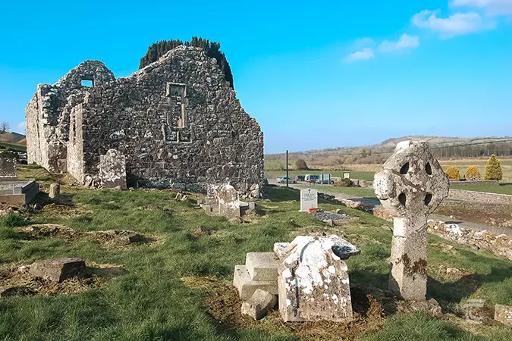
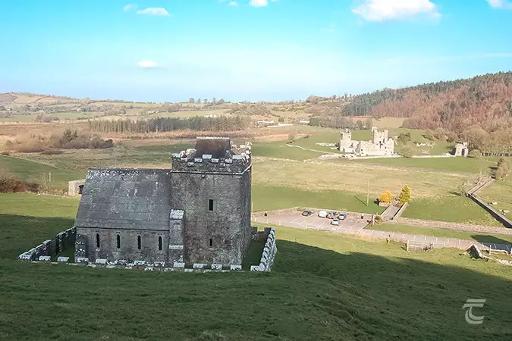
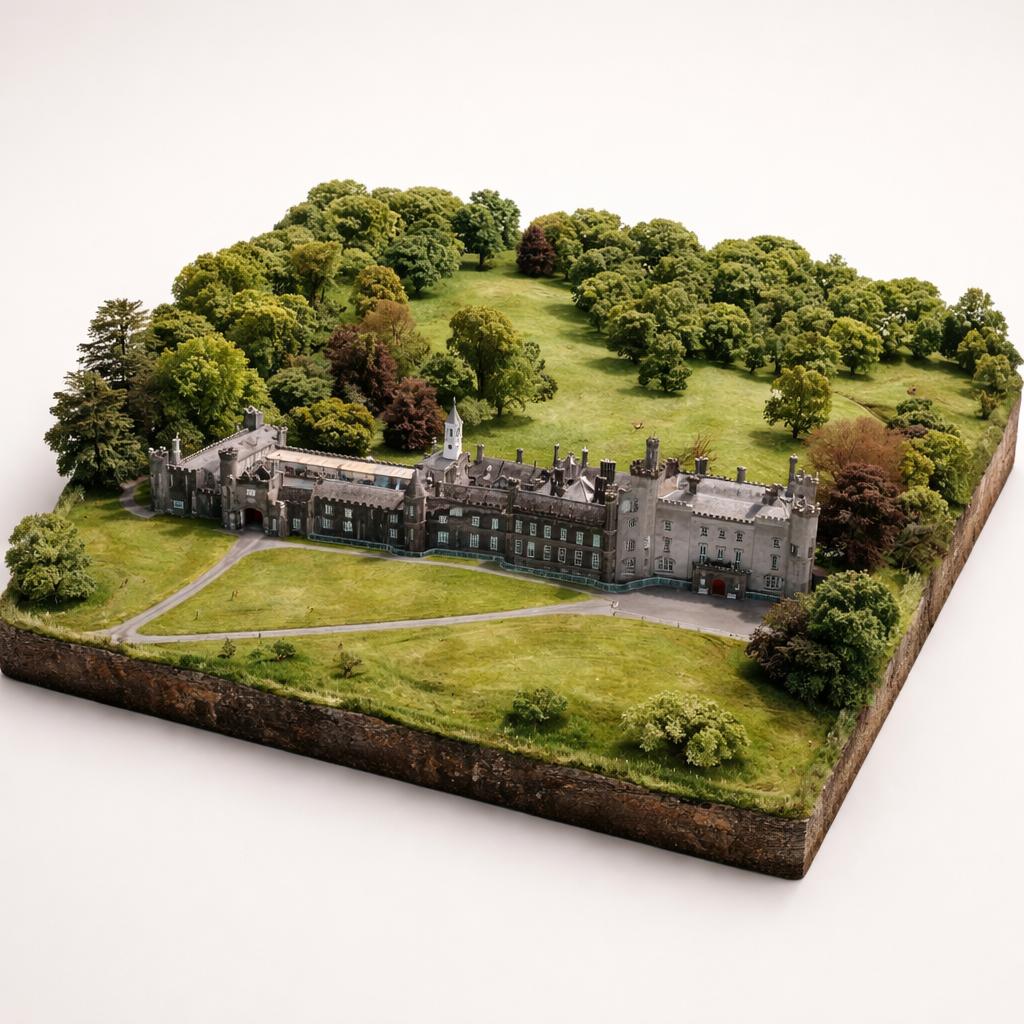
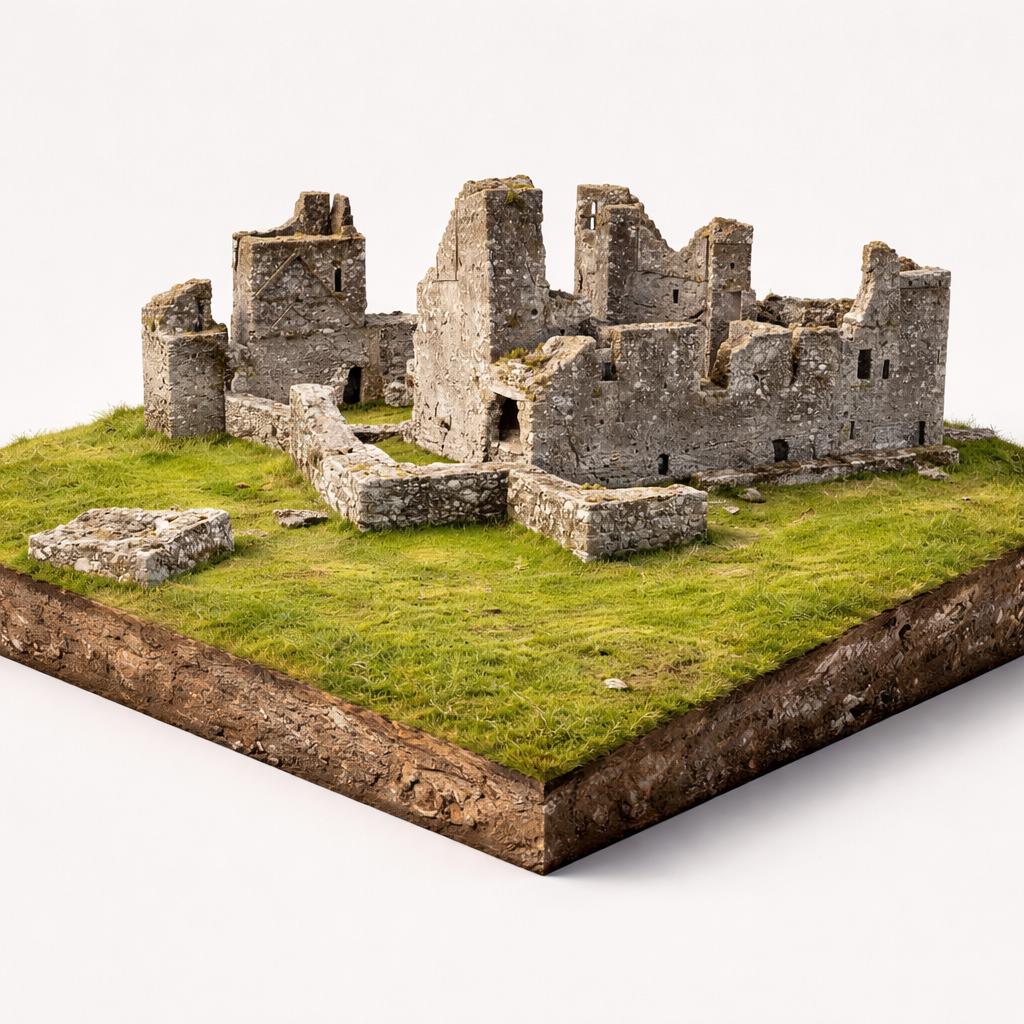
The extensive 13th-century priory — Ireland's best-surviving Benedictine foundation — was built around a central cloister. Wander the remains of the church, dormitory, refectory, kitchen, gatehouse and dovecote. Excavations confirmed the abbey really was built on a bog, one of the Seven Wonders.

Explore the Benedictine Abbey Ruins

Visit St. Fechin's Church & the Miraculous Lintel

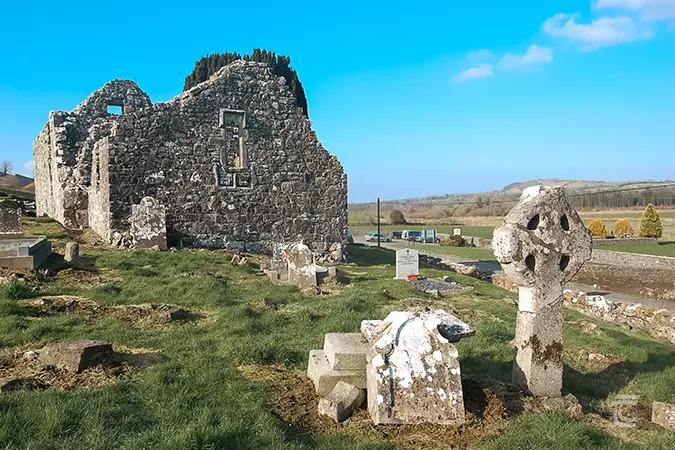
This 10th-century church sits on the hillside above the main abbey. Above its doorway is an enormous cross-inscribed lintel stone, said to have been miraculously lifted into place by St. Fechin himself — another of the Seven Wonders. A 13th-century chancel was added later.

Visit St. Fechin's Church & the Miraculous Lintel

Walk St. Feichin's Way

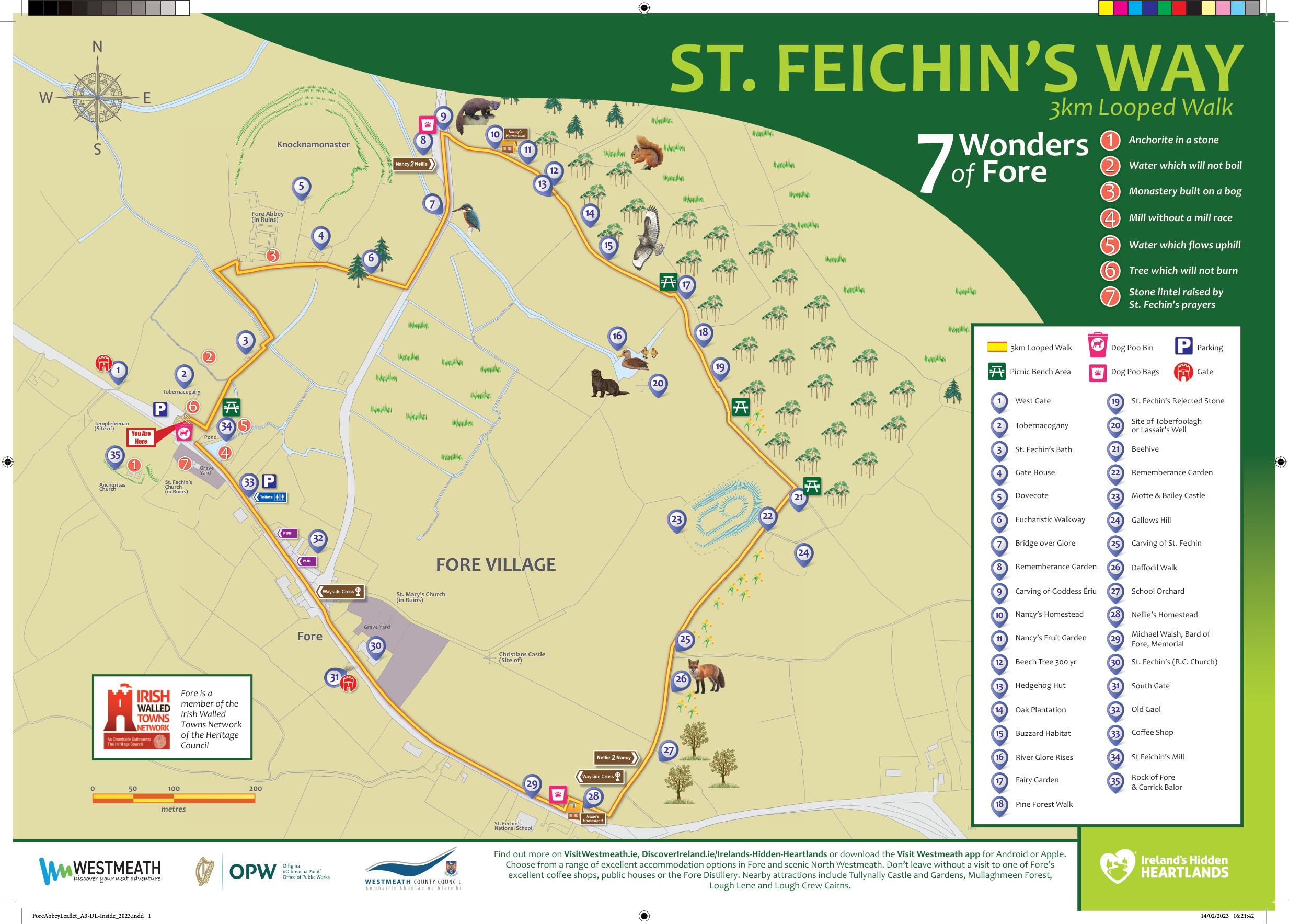
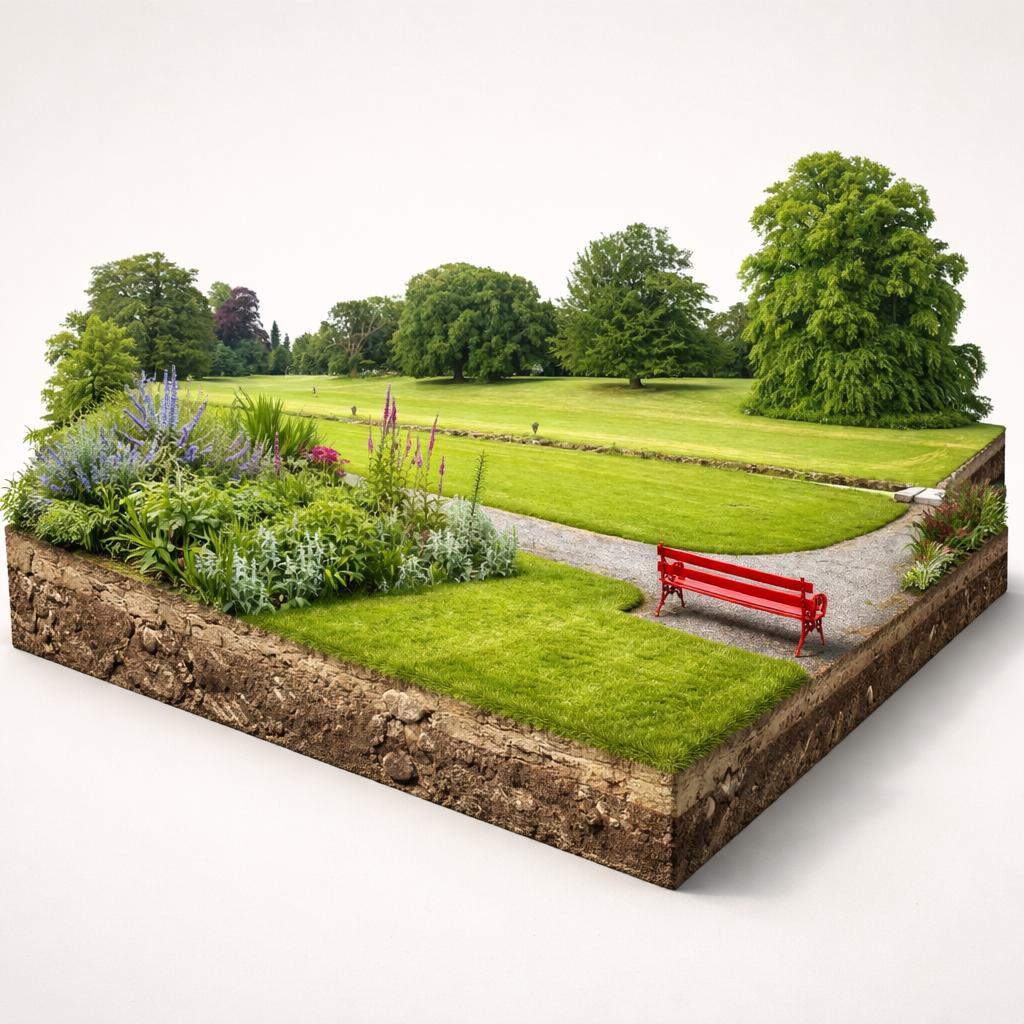
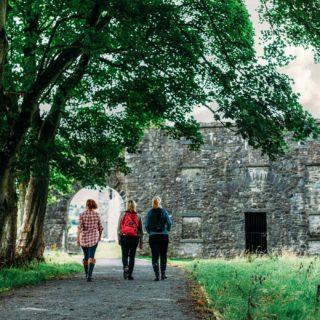
A 3km looped trail around the monastic site and Fore village. The waymarked route passes woodland, a fairy trail, picnic spots, a 300-year-old beech tree, and hidden features like the River Glore's source and a carving of the goddess Ériu. Start from the on-site car park.

Walk St. Feichin's Way

Discover the Seven Wonders of Fore

These seven legendary features are scattered across the site and valley: the monastery built on a bog, the mill without a race, the water that flows uphill, the tree that won't burn, the water that won't boil, the anchorite in a stone, and the lintel raised by St. Fechin's prayers.

Discover the Seven Wonders of Fore

Climb to the Anchorite's Cell

A 15th/16th-century tower house perched further uphill, once home to hermits who chose a life of solitude. The most famous, Patrick Beglin, has his epitaph still visible inside. A 19th-century Nugent family mausoleum adjoins the tower.

Climb to the Anchorite's Cell

Visit Tobernacogany Holy Well

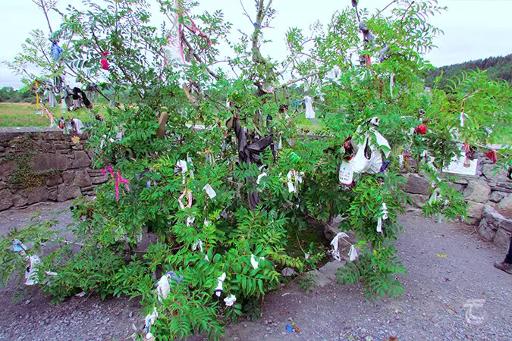
This small holy well is the 'water that never boils' wonder. Its waters are said to cure headaches and toothaches. An ash tree growing from the well is draped with rags left by pilgrims — a living folk tradition that continues today.

Visit Tobernacogany Holy Well

Walk the Cloisters

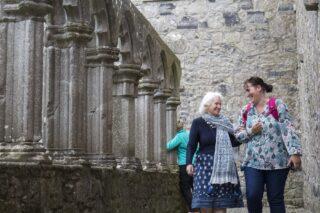
The medieval cloister walk at the heart of the Benedictine priory remains wonderfully atmospheric. It was rebuilt in the 15th century as part of the abbey's fortification against raids by the O'Reillys and O'Farrells.

Walk the Cloisters

Plan Your Visit

  • Hours: Open all year round. The site is an unstaffed ruin; daylight hours are recommended for visiting.
  • Admission: Free entry
  • Parking: Free car park on site, including coach parking. Additional parking near the church and priory ruins.
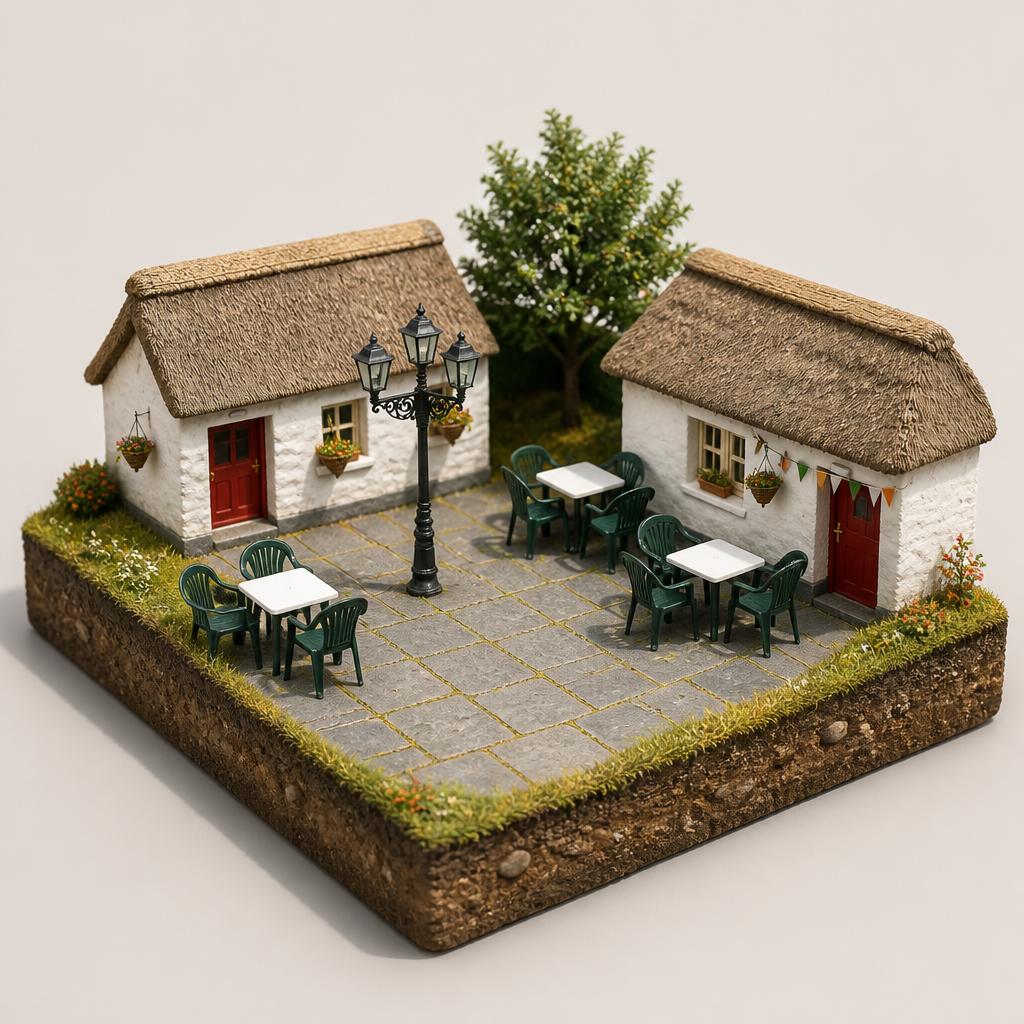
  • Food: Fore Abbey Coffee Shop on site serves home-baked cakes, scones, sandwiches, and locally roasted coffee (typically open daily 8am–6pm). A pub is also located in the village. Lunches available for pre-booked groups.

Getting Around

Map

Watch More

See it on the map

Load the interactive map to explore this place location.

Nearby places